
 English
 Italy
Italy
Top Activities to Do in the Red Sea Resorts
Most people book a Red Sea holiday thinking they'll spend five days horizontal on a beach. That's fine. But somewhere around day two, the water starts looking at you differently and you start wondering what's going on beneath it, beyond it, and around it.
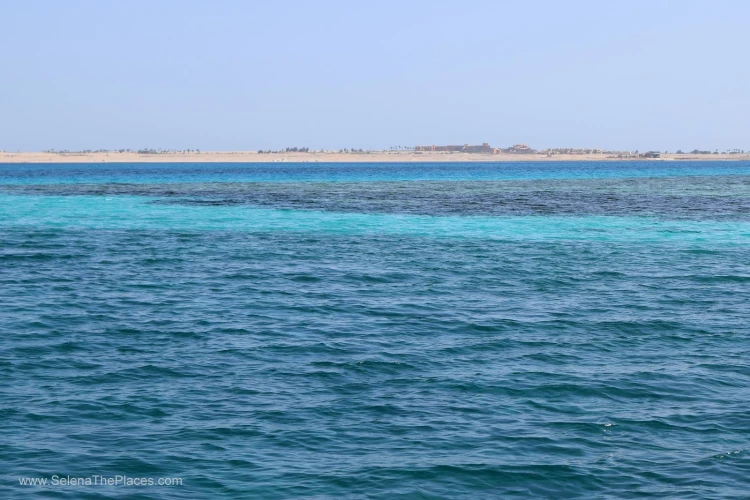
The Red Sea resorts Hurghada, Sharm El Sheikh, Dahab, Marsa Alam are built around the sea, but they offer far more than a beach. The list of things to do here surprised me the first time I visited, and it still surprises people I recommend it to. Here's an honest guide to what's actually worth your time.
Scuba Diving
The reason most people come and never regret it
Let's start with the obvious one, because it deserves the top spot. The Red Sea is consistently ranked among the top five diving destinations in the entire world, and once you get in the water here, that ranking makes complete sense. The visibility is extraordinary often 25 to 30 meters on a good morning the coral is dense and colorful, and the variety of marine life is staggering.
For beginners, there are dozens of certified dive centers across all the major resorts offering PADI Open Water courses that take you from zero experience to your first reef dive within three to four days. The conditions in the Red Sea warm water, calm bays, gentle currents in most beginner sites make it one of the best places in the world to learn. For experienced divers, the advanced sites at Ras Mohammed, the Blue Hole in Dahab, and the offshore reefs of Marsa Alam operate on a completely different level.
Book your dive center before you arrive, not on the beach. Online bookings often come with significant discounts, and you can read reviews properly from home rather than being sold to on a sunlounger.
Snorkeling the House Reefs
No tank required just a mask and some curiosity
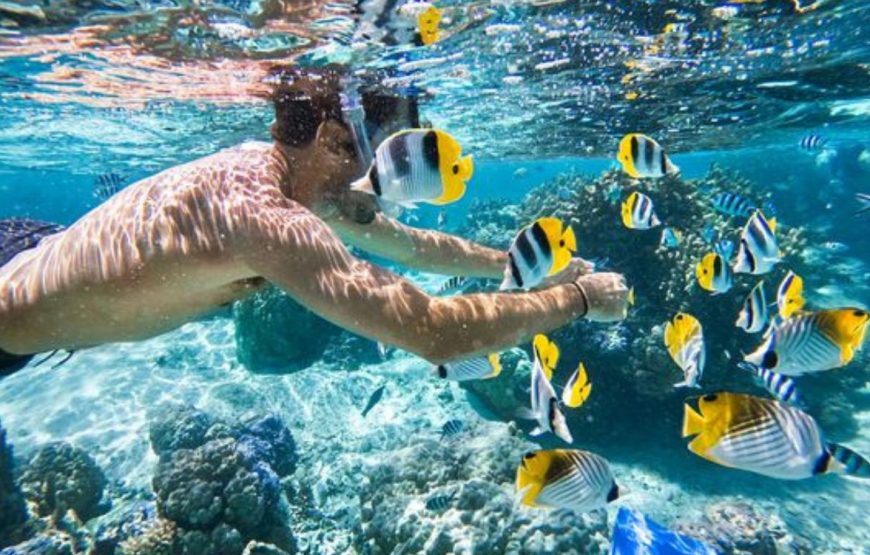
One of the best-kept secrets of the Red Sea is how good the snorkeling is directly off the shore in certain spots. In Sharm El Sheikh's Sharks Bay, you can walk into the water from the beach and within two minutes you're over a coral garden with parrotfish, clownfish, and sergeant majors darting in every direction. In Dahab, the Lighthouse site is accessible by snorkelers and the fish life there is dense enough to feel almost overwhelming.
You don't need any experience, any certification, or any bravery. You need a mask that fits, a snorkel, and the willingness to put your face in the water. Some of the most vivid marine encounters I've had in Egypt weren't on scuba dives at all they were during an hour of lazy snorkeling at a house reef in the early morning, when the water was glassy and the fish were everywhere.
Kitesurfing & Windsurfing
Dahab's Lagoon is one of the world's great kite spots
The Red Sea coast generates some remarkably consistent wind patterns, particularly in the northern sections. Dahab's Lagoon — a wide, shallow bay protected from the main sea has become an internationally recognized kitesurfing destination. On any afternoon, the sky above the Lagoon is filled with kites of every color, and the atmosphere is electric without being chaotic.
Lessons are readily available for beginners, and the shallow water means that falling is less punishing than it would be on an open beach. Windsurfing is equally popular at El Gouna, just north of Hurghada, where the conditions attract competitive windsurfers from Europe every season. If you've never tried either sport, the Red Sea resorts are genuinely among the best places in the world to start.
Desert Safaris & Bedouin Experiences
The mountains behind the coast are just as dramatic as the water
It's easy to forget, when you're lying on a beach in Sharm, that you're at the edge of one of the most dramatic desert landscapes on earth. The Sinai Peninsula rises sharply behind the coast in ridges of rust-red granite, and the Eastern Desert inland from Hurghada is vast, silent, and stunning. Both settings offer safari experiences that can completely change the texture of your holiday.
Jeep safaris into the desert interior are popular and well-organized from most resorts. The better ones take you to a Bedouin settlement for tea and conversation, then out to a point where the sunset over the mountains is genuinely breathtaking. Quad biking over sand dunes is available closer to the resort areas for those who want a bit of noise and speed. And if you're near Dahab or the interior of Sinai, camel treks through the wadis dry riverbeds lined with acacia trees offer something quieter and more memorable.
Mount Sinai night hikes (departing around 2am to summit for sunrise) are one of the great experiences of the region and easily arranged from Sharm or Dahab. Bring layers it gets genuinely cold at altitude.

Glass-Bottom Boat & Submarine Tours
For the reef-curious who prefer to stay dry
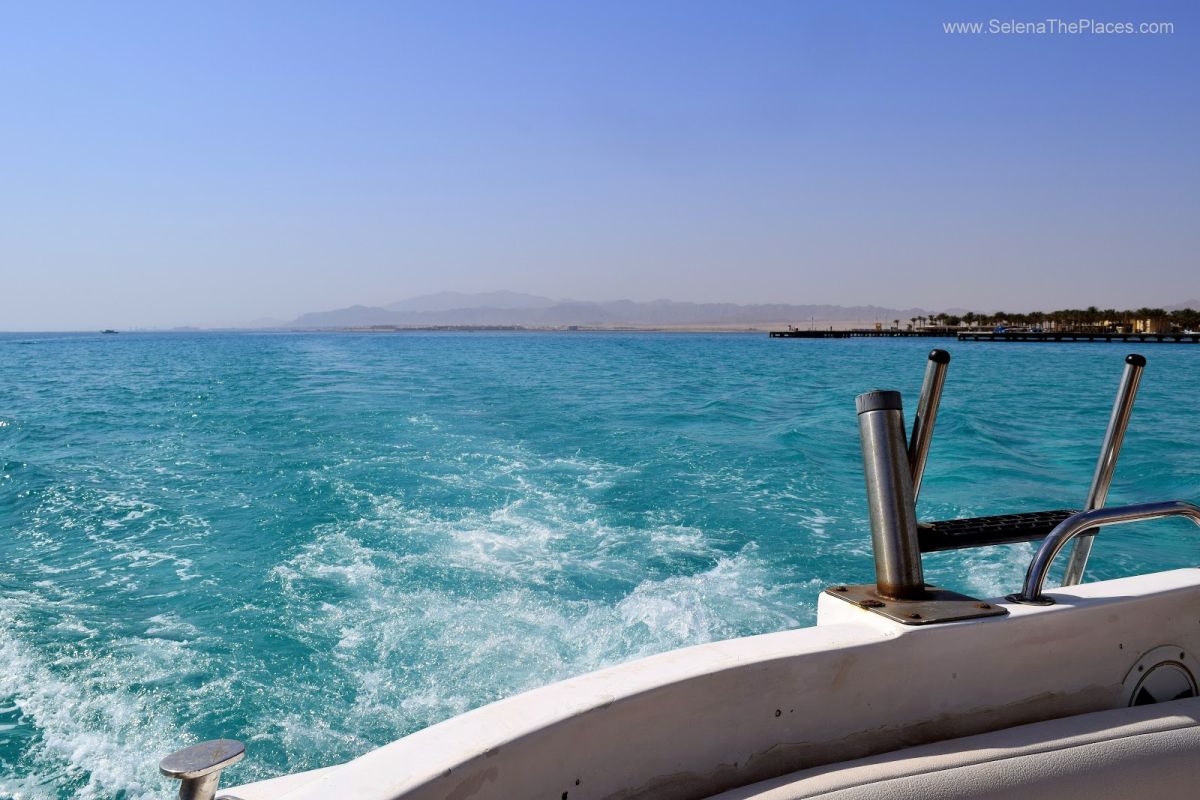
Not everyone wants to get in the water, and that's completely fine. Several operators in Hurghada and Sharm run glass-bottom boat tours that pass over the reef systems, giving passengers a view of the coral and fish below without any swimming required. It's a genuinely impressive experience, particularly when the boat crosses over a section of healthy elkhorn or brain coral with schools of fish hovering in the current.
Hurghada also has a semi-submersible submarine tour that takes groups just below the surface level for a closer look at the reef — it's a bit touristy but younger children tend to love it, and it delivers real reef views in a controlled setting.
Dolphin and Dugong Encounters
Wild, unscripted, and genuinely moving
Near Marsa Alam, at a bay called Marsa Mubarak, wild dugongs feed on the sea grass beds in the shallow water. These gentle, enormous creatures move slowly and seem entirely unbothered by careful snorkelers. An encounter with a dugong — close, unhurried, both of you just existing in the same warm water — is one of those travel experiences that stays with you for a very long time.
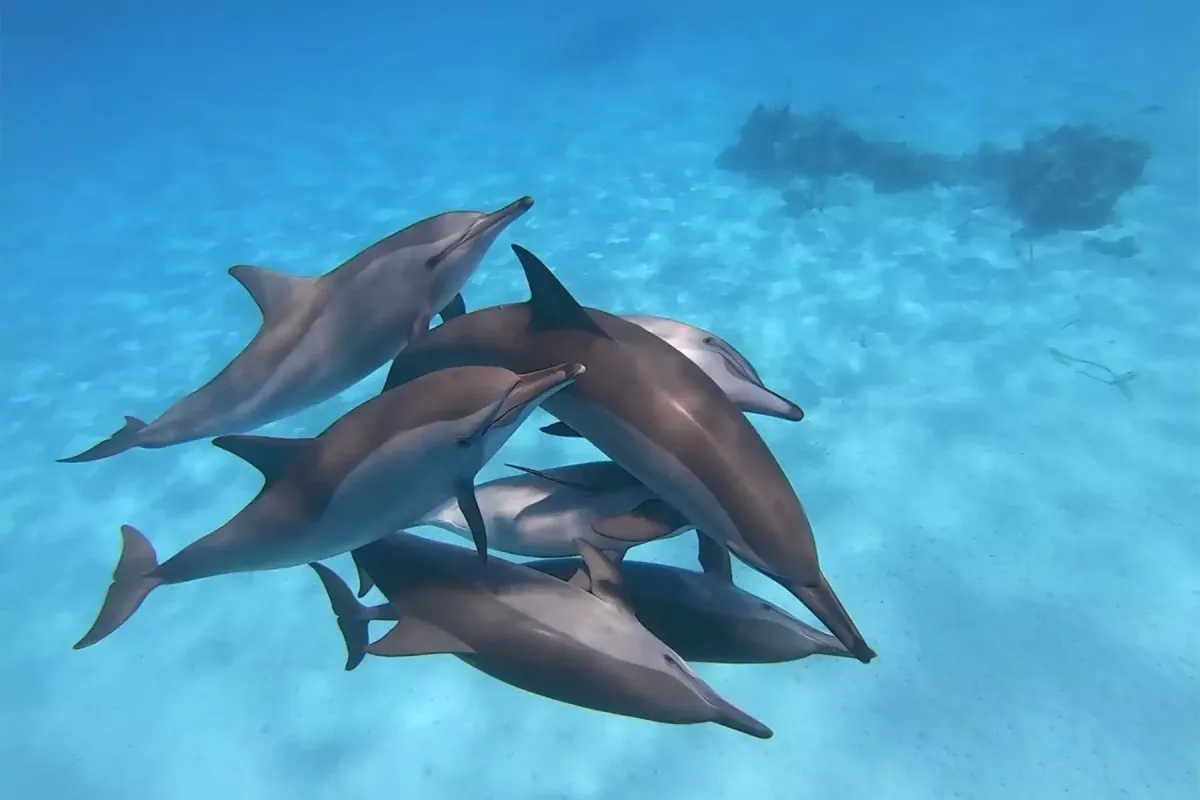
Spinner dolphins are commonly encountered off the coast near Hurghada, particularly around a bay called Samadai Reef (also called Dolphin House). The dolphins rest in the protected inner reef area in the mornings before heading out to sea. Swimming with them is carefully managed by park authorities to minimize disturbance, but even watching from the boat as they spin and leap is extraordinary.





-webp.webp "Hilton")
-webp.webp "dusit")
-webp.webp "Marriott Hotels")
-webp.webp "Azimut Hotel")
-webp.webp "Golden Tulip")
-webp.webp "sheraton")
-webp.webp "westin hotel")
-webp.webp "Movenpick")
