
 English
 Italy
Italy
-webp.webp)
The Valley of the Kings: Which Tombs are Absolute Must-Sees?
The Valley of the Kings is perhaps the most famous cemetery on earth, but with over 60 tombs discovered and only a handful open at any given time, it can feel like a high-stakes guessing game. For the 2026/2027 season, the experience is more organized than ever, but you still have to know which "keyholes" are worth looking through.
On a standard ticket, you usually get to choose three tombs. If you want the "Grand Slam" experience, you’ll need to buy individual "premium" tickets for the celebrity tombs. Here is the humanized guide to making those choices count.
1. The Standard Ticket "Top Picks"
These are included in your base entry fee. While the rotation changes, these are the 2026 standouts for color and scale.
-
KV2 – Ramesses IV: This is the perfect "starter" tomb. The corridor is wide and easy to walk through, and the colors are shockingly preserved. Look up at the ceiling; it’s a deep, midnight blue filled with golden stars. It gives you that "Indiana Jones" feeling without being claustrophobic.
-
KV11 – Ramesses III: Known as the "Harper’s Tomb" because of a famous painting of two blind musicians. This tomb is fascinating because of the small side chambers that show everyday life—ancient kitchens, furniture, and armor. It makes the Pharaoh feel like a real person who actually lived, not just a monument.
-
KV6 – Ramesses IX: If you’re interested in the "judgment of the dead," this is your spot. The wall art here focuses on the soul’s journey through the underworld. It’s a bit shorter than the others but packed with intricate detail.
2. The "Splurge" Tombs (Extra Tickets)
If you’ve traveled all the way to Egypt, these are the ones that actually live up to the hype. In 2026, these are priced individually and require separate digital tickets.
-
KV17 – Seti I: This is the "Sistine Chapel" of Egypt. It is the longest, deepest, and most completely decorated tomb in the valley. Every inch of every wall is carved and painted. It is a significant splurge (the most expensive ticket in the valley), but for a once-in-a-lifetime trip, it is the undisputed masterpiece.
-
KV62 – Tutankhamun: Interestingly, this is one of the smallest and least decorated tombs. You don’t go here for the art; you go for the history. This is where the "Boy King’s" mummy still rests. In 2026, crowds are managed by strict time slots, so it feels much more respectful than in years past.
-
KV9 – Ramesses V/VI: This is the best "middle ground" splurge. It’s cheaper than Seti I but features an incredible "Book of the Heavens" ceiling that depicts the sky goddess Nut swallowing and birthing the sun. It is a psychedelic masterpiece of ancient theology.
3. Strategy: How to Survive the Valley in 2026
| The Challenge | The 2026 Pro-Tip |
| The Heat | Arrive at 6:00 AM sharp. The valley is a limestone oven by 10:30 AM. |
| Tomb Fatigue | Limit yourself to 4 or 5 tombs total. After that, the hieroglyphics start to blur together. |
| Photography | Phones only. In 2026, phone photography is free in most tombs, but "professional" gear will get you stopped. |
| The Stairs | Wear grip shoes. The wooden ramps inside the tombs can be surprisingly slippery. |
4. The "Secret" Valley (Western Valley)
If the main valley feels too crowded, ask your guide to take you to the Western Valley (Wadi al-Gurud) to see KV23 – The Tomb of Ay.
-
The Vibe: It is much quieter and features unique paintings of a hippopotamus hunt.
-
The Experience: You’ll often be the only people inside, which provides that rare, silent connection to the past that is hard to find at the more famous sites.
The Human Side: Walking into these tombs isn't just about looking at art; it’s about descending into a 3,500-year-old belief system. When the air gets still and the colors start to glow under the lights, you realize these weren't meant to be visited—they were meant to be eternal.
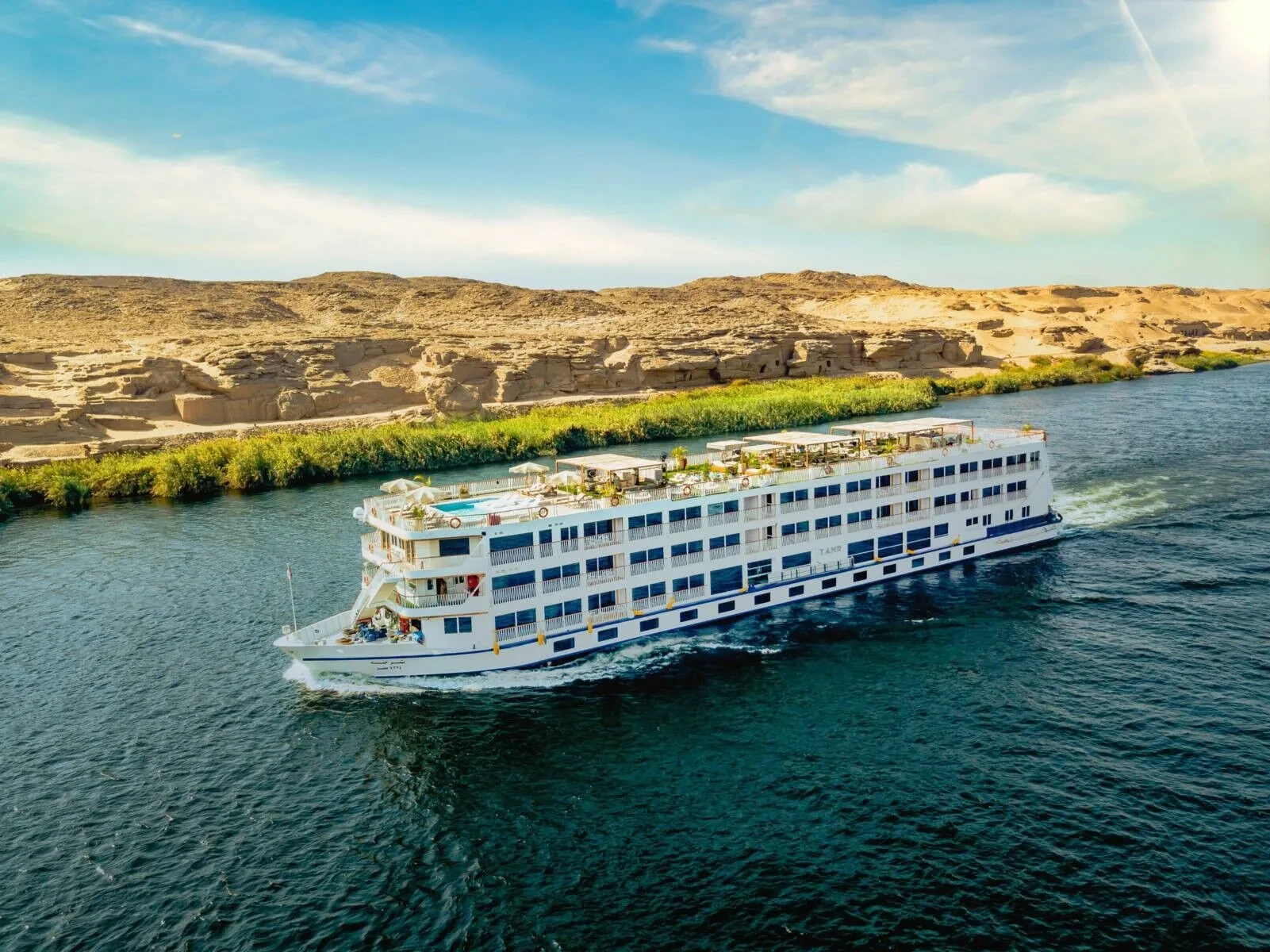

-card_webp.webp "Giza Pyramids")







-webp.webp "Hilton")
-webp.webp "dusit")
-webp.webp "Marriott Hotels")
-webp.webp "Azimut Hotel")
-webp.webp "Golden Tulip")
-webp.webp "sheraton")
-webp.webp "westin hotel")
-webp.webp "Movenpick")
