 English
 Italy
Italy
The True Cost of Wonder Navigating Budgets Tipping and Digital Payments Across Egypt
Navigating the Financial Reality of Egyptian Travel
The economic landscape of modern Egypt gives foreign travelers an almost unreal edge. Major international currencies usually perform very well against the local currency, so the purchasing power for visitors stays surprisingly strong. A trip through this historic land can be shaped, almost like by feel, either into a minimalist budget plan or a grand luxury expedition. Knowing how to manage your funds, and also guessing the real value of everyday services, is the key to keeping things smooth… especially during your time along the Nile River, where everything feels a bit more, cinematic and alive.
Breaking Down Daily Expenses by Budget Class
Before you move money around it helps to group your travel personality into a few clear financial lanes. A budget minded explorer can generally get around with ease by choosing small local guesthouses, eating traditional street food, and using city metro systems or shared transport. When you step into a mid range approach, the entire rhythm shifts in a positive way, you can enjoy comfortable boutique hotels private drivers, and dine at sit down restaurants in good locations. And if your goal is absolute luxury, Egypt delivers with world known historic hotels, private Egyptologist guides, and even domestic flights arranged just for you, which removes a lot of the travel friction you might expect elsewhere.
The Mid Range Sweet Spot for Comfort and Mobility
Moving up to a mid range budget , it sort of completely transforms the travel experience. For most visitors this is the ideal way to experience Egypt because it hits that perfect balance between cultural immersion and personal comfort, not too much and not too little. In this tier a traveler kinda transitions from public buses to private ride sharing applications or a pre arranged driver. And suddenly navigating a massive metropolis like Cairo feels effortless , when you can summon a clean air conditioned car with the tap of a button— to take you from the Citadel of Saladin, all the way toward those labyrinthine alleyways around the Khan el Khalili bazaar.
Boutique Hotels and the Classic Nile River Cruise
Mid range places to stay i nclude boutique hotels and international chains, they tend to have beautiful views, swimming pools and really solid breakfast buffets. In spots like Luxor or Aswan, a mid range budget lets you sleep in hotels set right by the riverbank, so you can sit there and watch the traditional sailboats called feluccas glide over the water at sunset. This level of comfort also makes it easier to choose the classic Nile River cruise. Floating between Luxor and Aswan on a multi day cruise ship, with all meals taken care of, is one of those iconic journeys that still feels reachable for average earners.
Royal Luxury and Historic Hospitality Traditions
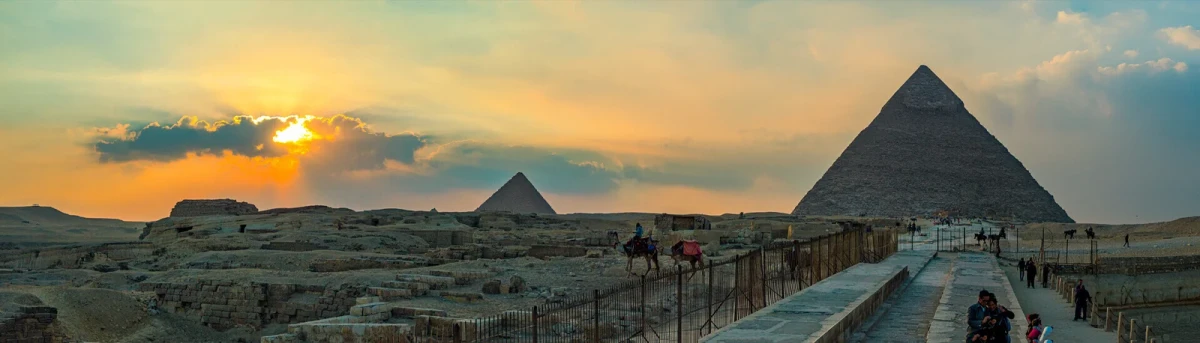
If you have that luxury budget Egypt gives you an experience that feels kind of, genuinely royal. The country has this long tradition of generous hospitality, going back to the late nineteenth century when European aristocrats started wintering in the warm Egyptian climate. That legacy is still here in historic hotels, they’re like landmarks all by themselves. Picture waking up in a room where the balcony looks straight out at the Great Pyramid of Giza, with the morning mist rising from the desert sands. Or think about strolling through the neatly tended gardens of a storied palace in Luxor where well known authors once sat down to shape their masterpieces.
Exclusive Access and Personalized Travel Experiences
Luxury in Egypt really feels like you get exclusive access, plus that sort of personalized attention, almost like someone is tailoring the moment around you. And it also means you bring in a private Egyptologist, they then guide you through the tombs in the Valley of the Kings, while they unpack the vivid hieroglyphic murals without the constant rush and jostling that happens with a big tour group. It’s also about fine dining at high end places where traditional Middle Eastern tastes get blended with modern culinary craft, so it’s not just “dinner” it’s a whole experience. Then there are the logistics, like chartering private domestic flights between Cairo, Luxor, and the red sea retreats, rather than doing the overnight train ride that is… well, less than restful. The thing about Egypt’s appeal is that even this top tier of indulgence is often priced much lower than what you’d be asked to pay for the same level of comfort in the major capitals of the world.
Navigating the Digital Payment Transition at Monument Gates
Beyond the day to day lifestyle spending, a traveler also has to factor in the entry costs for Egypt’s legendary historical sites. The government handles these treasures via one central ticketing setup, which kind of makes everything feel more managed, like it’s all tied together. Over the last few years there has been a huge digital shift across the country tourism sector. Almost every big archaeological location— including the Pyramids of Giza, the Egyptian Museum in Tahrir Square, and also the amazing temples of Abu Simbel— now asks foreign visitors to pay using a credit or debit card. At the main ticket windows, cash is no longer accepted, so yeah you can’t just show up with paper currency and hope for the best. The change has sped things up and the waiting lines generally move faster but it also means travelers need to confirm their bank cards are active for international use.
The Justification of Ticket Entry Fees for Heritage Preservation
The price of these tickets is usually pretty reasonable, though it kind of depends on the scale of what you are seeing. Being there in front of the towering statues of Ramesses the Second at Abu Simbel, or walking through the huge chambers of the newly opened Grand Egyptian Museum, feels like a once in a lifetime kind of thing. And the admission fees they pay basically goes toward huge preservation and restoration work that has to happen, so these old landmarks can stay upright and relevant for future generations too.
Understanding Baksheesh as an Essential Economic Custom
An invisible but vital part of the financial landscape in Egypt is this idea of baksheesh ,which you could say translates, roughly, to tipping or paying a little extra for service. In Egyptian society tipping is not just a bonus for exceptional treatment it is more like an essential economic lubricant, and it is also a cultural norm. Because the wages for many service workers are often pretty low, the tips end up being a meaningful piece of a persons livelihood. So as a tourist you’ll bump into it again and again. A person who helps you find your train platform, a driver who threads their way through the chaotic Cairo traffic, a boatman who rows you across the river, or even a temple guardian who points at a tucked away carving will all be expecting a small token of appreciation.
Managing Tipping Etiquette with Respect and Grace
For many western travelers, this constant expectation can feel a bit too much, at first. Still once you start seeing it as a normal feature of the local economy rather than a personal imposition, it gets easier to handle. Keeping a pocket full of small bills, set aside just for tipping is a solid idea too. It lets you show respect to the local workforce, and also share a quiet thankfulness for the hospitality that Egyptians are known for.
A High Return on Investment for Global Travelers
In short, Egypt gives a genuinely remarkable return on investment for pretty much any traveler. If you are a student backpacking across North Africa, or more of a connoisseur who wants the best comfort the place can offer , it still works, because the country welcomes you warmly with an affordable price tag. And if you plan ahead a bit, plus understand the cultural expectations around currency, and get ready for a digital payment atmosphere at the historic sites, you can end up with a smooth, magnificent trip through the land of the Pharaohs.





-webp.webp "Hilton")
-webp.webp "dusit")
-webp.webp "Marriott Hotels")
-webp.webp "Azimut Hotel")
-webp.webp "Golden Tulip")
-webp.webp "sheraton")
-webp.webp "westin hotel")
-webp.webp "Movenpick")