
 EN
 IT
 ES
 FR
 ZH
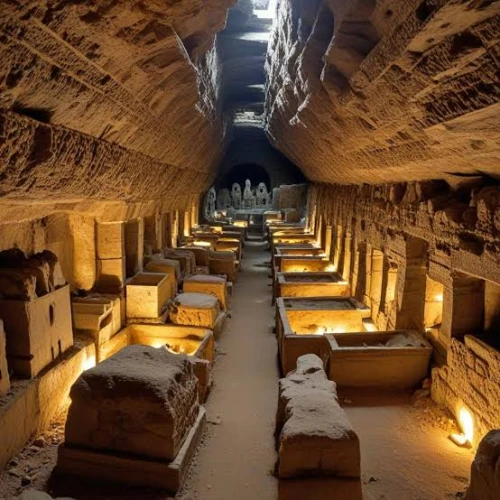
The Tombs of Mostafa Kamel: Ancient Funerary Art and Hidden Details
The ancient city of Alexandria was established by Alexander the Great in 331 BCE and today is world renowned for its amazing structures such as the Pharos Lighthouse, Great Library, and Royal Quarter. However, tucked away underneath the busy streets of Alexandria are some amazing necropolises. One of the most interesting, well-preserved, and informative tombs in Alexandria is The Tombs of Mostafa Kamel (alternatively Mustafa Kamel). The necropolis is located in the modern eastern area of Rushdy, named after the famous neighbourhood and military area. The tomb is a second century BCE underground burial site that provides fantastic insight into the domestic private tombs, decorative art, and religion of early Ptolemaic Alexandria. Looking at why it was discovered, the architectural style, stunning frescoes and the hidden details in the Tombs of Mostafa Kamel gives an important insight into the archaeology of Graeco-Roman Egypt.
1. Discovery and Background of the Necropolis
To understand the significance of the Tombs of Mostafa Kamel we first need to know about its location.
A. Location of The Eastern Necropolis
During the Ptolemaic period (305-30 BCE), Alexandria had strict laws concerning the positioning of large burial sites. The Eastern Necropolis was a large area of land along the Mediterranean shoreline. This included the areas we know today as Shatby, Ibrahimia, Rushdy, and Mostafa Kamel. The oldest tombs of the necropolis are located in Shatby. However, the Tombs of Mostafa Kamel date from the middle third to second century BCE. This was the height of the Ptolemies; therefore, it is a great example of the wealth and artwork of this society.
B. Rediscovery and Excavation
Like many underground monuments in Alexandria, the tombs were discovered by accident during the middle of the twentieth century during construction and military work. The Egyptian Antiquities Service, along with archaeologists, excavated the site to discover 4 large underground rock cut tombs (hypogea). The incredible condition of the tombs with the plaster, amazing frescoes, and beautiful carvings made the Mostafa Kamel a sensation.
2. Architecture of the Greek Private Tombs
The main feature of this tomb is the layout. It has been carved to look like a Greek private home (oikos).
A. Peristyle Courtyard
Ancient Greek wealthy homes featured a central courtyard with lots of columns around the outside. This is called a peristyle. The largest and most famous tomb (No 1) includes a giant rectangle open courtyard:
Columns: Around the centre are amazing fluted columns carved directly from the rock. Each column features stone capitals, architraves, and ornate cornices.
Light: At the top of the courtyard there is an open section. This means plenty of light can enter from above and also gives fresh air for those mourning.
B. Altar Area
Within the courtyard there is a carved stone altar. Family would sacrifice animals to the gods, pour drinks such as wine, milk, and honey onto the altar, and burn incense for the dead. The courtyard is surrounded by a range of rooms such as audience rooms and banquet halls. There are also deep vaults to provide a perfect underground home for the ba.
3. Ancient Decorations and Frescoes
This site is world renowned for their amazing carvings and the well-preserved frescoes. They are a great example of the transition to Mediterranean painting styles.
A. First Style of Pompei (Masonry Style)
The walls of each chamber have been plastered and painted to look like expensive marble, alabaster, and wood. This is known as the Masonry Style or First Pompeian Style. This technique is incredibly colourful with the use of Egyptian Blue, Ochre Red, Yellow, and Dark Black to make the stone look like a palatial home.
B. Mythical Depictions
The walls have been decorated with beautiful painted friezes. They include:
Sphinxes: The doors are decorated with beautifully carved and painted sphinxes. These are used as apotropaic guardians to protect the dead from evil spirits.
Riders and Soldiers: The friezes show young Macedonian soldiers riding on horses. They wear traditional cloaks (chlamys) and helmets.
Garlands: The borders have been painted with lots of beautiful garlands. These include ivy, laurel leaves, roses, and ribbons to symbolise eternal youth, spring, and celebration of life.
4. Hidden Details
What makes this site so fascinating for archaeologists is the hidden details.
A. False Doors
Throughout tomb number 1 and tomb number 2 there are large reliefs that have been carved. These are false doors with painted door frames, bronze handles, and door bolts. In Egyptian belief the false doors were magical gates allowing the ba to travel freely. This idea has been incorporated but in the form of Greek architecture.
B. Small Water Bowls
Throughout the open courtyard and banquet halls there are hidden drains and small carved bowls. These are used to channel the rain that falls in the open courtyard and also channel the liquid offerings poured during the funeral. This shows the amazing attention to detail to prevent water damage to the tomb.
C. Klinai
Within the main burial rooms there are large stone beds carved. These are called klinai and they are carved to look like wooden beds. They have carved legs, cushioned seats, and beds. The dead would be placed on top of these stone beds inside heavy sarcophagi. They would surround them with items they owned such as oil lamps (terracotta) and glass perfume bottles (unguentaria).
5. Conservation
Today the Tombs of Mostafa Kamel are an outdoor archaeological park.
A. Environmental Protection
As the stone is underground it can cause issues with water levels, salt, and humidity. To combat this the Ministry of Tourism and Antiquities in Egypt have put in place many conservation techniques. Air systems, lighting, and monitoring devices have been installed to ensure the ancient frescoes will be preserved.
B. Bridging Cultures
These tombs are extremely important as they show how the early Greeks brought their private homes and painting techniques to Egypt but combined them with Egyptian ideas of the afterlife.
Conclusion
The Tombs of Mostafa Kamel are an amazing example of ancient mortuary art. The open peristyle courtyards, bright coloured plaster walls, false doors, and amazing hidden details provide a very personal and memorable connection to the people who lived, loved, and died in early Ptolemaic Alexandria. The ancient underground community has been preserved and shows us the beauty, faith, and culture of Graeco-Roman Egypt.