
 EN
 IT
 ES
 FR
 ZH
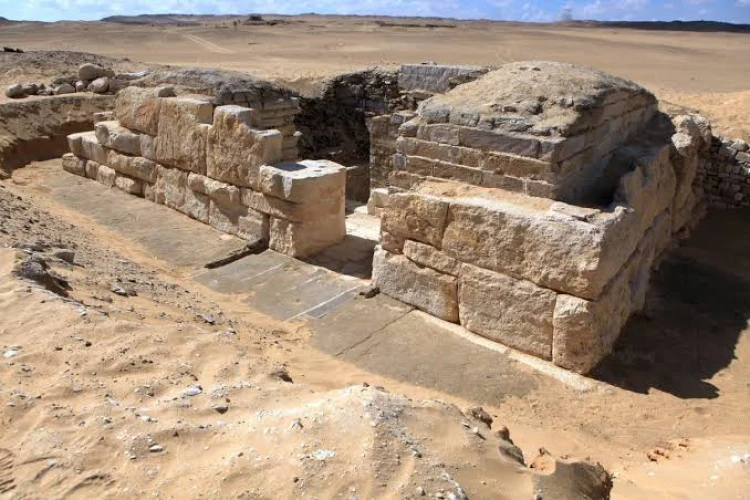
The Tomb of Queen Tiye: Between History and Archaeological Mystery
Tomb of Queen Tiye – Past and Mystery
Within the study and tourism industry, both academics and tourists can become fascinated by how the western Theban necropolis relates to the mysteries that surround it. Queen Tiye the Great was the consort of King Amenhotep III and mother to King Akhenaten of the Eighteenth Dynasty. Her tomb (KV52), situated within the Valley of the Kings is a relatively small tomb whose original occupant and contents have been hotly debated throughout many years. Meanwhile, at the Valley of the Queens in Luxor there is often also an opportunity for tourists to view another tomb (QV52) - the tomb of Queen Tyti of the Twentieth Dynasty. Recognising the importance of differentiating between these two queens is key in analysing the Luxor West Bank.
1. Queen Tiye and tomb KV55, Valley of the Kings
Found within the Eastern Valley of the Valley of the Kings, tomb KV55 soon became highly talked about. Despite being on a much smaller scale than the grand pharaoh tombs, its goods had a clear connection to the controversial tail end of the Amarna Period.
Queen Tiye was associated with tomb KV55 due to reliefs and artefacts displaying her name, as well as possessions connected to both Akhenaten and Tutankhamun. After the Amarna capital was deserted and orthodox religion resumed in Thebes, regalia and burial goods were moved and re-buried so that they could be protected at this crucial point in history.
This tomb is made up of a descending passage that leads to a single room sealed with plaster. As opposed to classic tomb paintings illustrating the afterlife, there are no such images here. Furthermore, various Amarna Period royal names and cartouches were deliberately removed from tomb KV52 in antiquity. Current research continues to centre on ascertaining who the king/queen/royal relative is whose mummified body has been discovered within the altered gilded outer coffin – is it Akhenaten or another high ranking individual from the final years of the Eighteenth Dynasty?
2. Tomb QV52 of Queen Tyti, Valley of the Queens
Also situated within the Valley of the Queens, tomb QV52 was constructed for Queen Tyti of the Twentieth Dynasty. Egyptologists commonly recognise that she was the consort of King Ramesses III and is believed to have been the mother to King Ramesses IV.
Whilst there is some historical uncertainty concerning tomb KV52, tomb QV52 demonstrates the well recognised Osirian religious beliefs upheld in latter New Kingdom times. It comprises a passage that leads to a main tomb room, which in turn is supplemented by additional side and back rooms. Painted plasterwork illustrates Queen Tyti in front of significant resurrection and protective gods including Osiris, Thoth, Isis, Nephthys and the Four Sons of Horus. These last assisted the deceased whilst they travelled through the Duat in the afterlife.
3. The Theban West Necropolis
Both tombs are part of the western Theban necropolis. Here, the sun’s setting represented death each evening and subsequent regeneration occurred at night. Whereas New Kingdom monarchs had their rock cut tombs hidden within the Valley of the Kings under the natural pyramidal summit (al-Qurn), queens and offspring were buried in the Valley of the Queens. Adjacent to this necropolis, within Deir el-Medina, resided the highly competent workers who chiselled and embellished tombs; therefore, everyday life and spiritual belief were effectively intertwined.
4. Information for travellers
If you are travelling on a Nile cruise or for cultural purposes to Luxor and Cairo then consider the following tips:
In the Valley of the Kings, ascertain which tombs will be available for exploration on the day of your visit. These frequently change in order to enable conservation work to be conducted. Remember never to touch tomb walls and never to take flash photographs as this may damage original tomb plaster and paint.
Within the Valley of the Queens, explore further sites on the Luxor West Bank so that you may contrast the artistic and architectural styles of the tombs of queens with those of kings and nobles. Allow plenty of time to move from site-to-site.
In Cairo, visit the Egyptian Museum in Tahrir Square together with the National Museum of Egyptian Civilization. These museums contain Amarna Period and Eighteenth Dynasty royal mummy exhibits and thus provide a tangible link between the collections and the past of western Thebes.