
 EN
 IT
 ES
 FR
 ZH
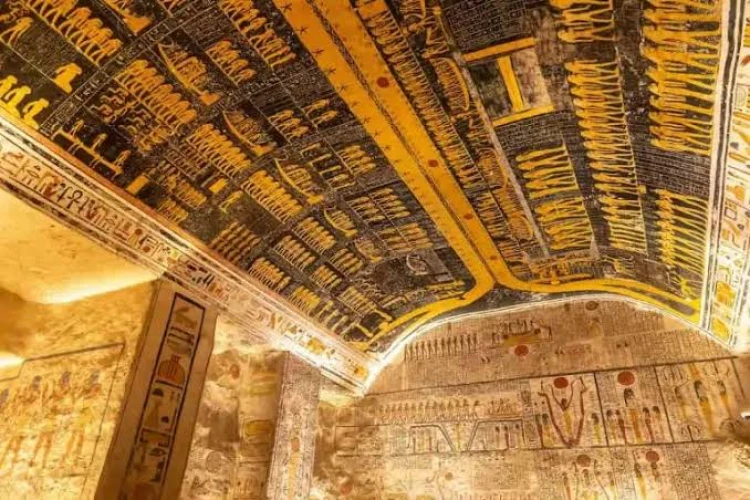
The Secrets of Ancient Egyptian Tomb Paintings and Their Meanings
As a modern traveller, you will be awe-struck by the beautiful tomb paintings found within the Valley of the Kings or Tombs of the Nobles. However, to the Ancient Egyptians the bright, colourful tomb paintings were not created purely for beauty. Once the tombs were sealed the paintings were not meant to be seen by any living soul. Instead, the paintings helped the dead spirit to live, protected the burial chamber and ensured the deceased had a perfect life after death.
By understanding the magic, strict rules, symbolism behind the colours and scenes found in Egyptian tomb art you will have a better understanding of the burial chambers found throughout Egypt.
1. Magic
Ancient Egyptians believed that pictures had magical powers (called Heka). Anything painted or carved in your tomb was made magically real to the deceased after their death due to the blessing from the priests.
The tomb paintings had many magical purposes:
Feast for Eternity – Even if the deceased’s living family stopped offering them food, the paintings of lavish feasts and busy farming scenes ensured that the Ka (life force) would never go hungry or thirsty.
Youthful and Healthy – Nearly always the tomb owner would be shown looking young, slim, glowing and healthy. So they would be magically free of illness, old age or physical disabilities.
Writing and Painting – The Ancient Egyptians used the same word for writing and painting, Medu-netjer (divine word). All the characters, animals and movements told a story using giant hieroglyphics stating how the tomb owner had conquered death.
2. The Rules of Proportion
Ancient Egyptian artists didn’t paint what they saw, they painted what they knew would be there forever. There were strict rules that had to be followed.
Multiple Perspectives – The human characters are shown from lots of different angles to show all their distinctive features. The heads and legs would be shown from the side, the eyes and shoulders from the front and the body would twist into view.
Proportion – The size of the characters showed how important they were. The tomb owner would be huge and regal compared to their family, scribes, servants and offerings. Gods would also be larger or sitting on their thrones.
Grid – The best artists would use red ochre string lines to create a proportionate grid on the smooth plaster walls. This would have 18 squares (from toe to hair) to ensure magical proportions.
3. Symbolism Behind the Colours
All the pigments used were created from ground minerals and had a special meaning.
Blue and Green – Blue was created by grinding copper minerals and malachite. It represented the life-giving waters of the Nile and the sky. Green represented plant life, rebirth and the flesh of Osiris.
Red and Yellow Ochre – Red represented life, blood, hot desert and strong divine protection. Yellow represented gold and the eternal light of Ra.
Black and White – Black represented the rich black soil of the Nile Valley and rebirth in the underworld. White represented purity, linen and truth.
4. Important Scenes
Although all the tomb paintings had the purpose of ensuring the deceased a life after death, the scenes painted differed between the pharaohs and private individuals.
Royal Tombs (Valley of the Kings) – The Pharaohs decorated their tombs with sacred books that would help them in the afterlife. They included the Amduat, Book of Gates and Book of Caverns which told them of the sun god’s journey through the 12 hours of the Duat. They also featured beautiful starry ceilings and the Pharaoh with major gods.
Tomb of the Nobles – High ranking officials, priests and scribes would enjoy scenes of happy life on earth. They included scenes of farming, fishing and fowling, lively feasts with music and dancing and funeral processions.
5. Top Tips
Tomb of Nakht and Rekhmire – Visit the tombs of the nobles on the West Bank of Luxor to see amazing brightly coloured scenes of daily life, farming, blind harpists and elegant guests.
Look at unfinished tombs – Look carefully at any areas of the tombs (Horemheb in the Valley of the Kings or unfinished noble tombs) that have not been painted. You will be able to see the original red sketch lines and black corrections from the master artists.
No flash photography – Flash photography is not allowed in any painted tombs as it can cause the ancient pigments and plaster to flake off the limestone.
6. What Makes the Tomb Paintings Special
Ancient Egyptian tomb paintings give us an insight into how much they loved life, order and beauty. The tombs were not sad places to remember death but transformed the dark stone into a bright garden for eternity. Music would play, there would be plentiful harvests and human minds would live forever.