
 English
 Italy
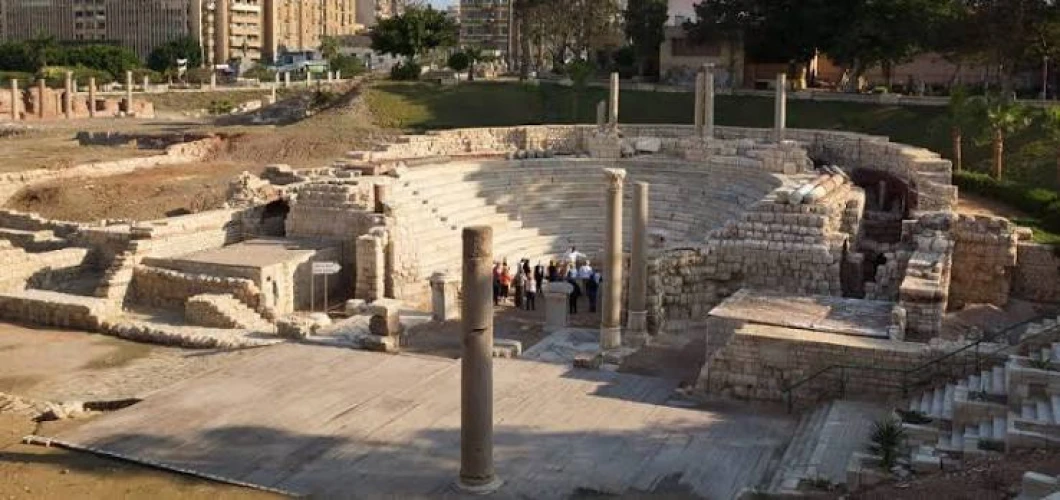
The Roman Baths of Alexandria: Architecture, Engineering, and Social Life
The Ancient City of Alexandria Essay
The ancient city of Alexandria was famous for its majestic architecture, unrivaled culture, and complex infrastructure. One of the symbols of Roman cities built in II millennium BC was public bath complexes, known as thermae. When Alexandria was transformed from the Hellenistic royal city into the provincial capital of the Roman Empire, bathhouses were built in various districts of the city. They included not only advanced Roman technologies of heating and water circulation, but also were the social centers where residents and guests of the city could communicate with each other.
Discussion
1. The History of Bathing and Bath Houses in Alexandria
Bathing culture has come a long way since it was invented in ancient civilizations. The purpose of this paper is to explore Roman bathing traditions and learn how public bathhouses in Alexandria provided a total sensory experience for their visitors.
A. Greek Origins and Roman Development
In the period preceding the Roman conquest of Egypt in 31 BCE, the Greek settlers of Alexandria enjoyed exercising at gymnasia and washing in bathhouses. However, the Roman authorities brought new building standards to Alexandria, and the first thermae were built in the capital of Egypt. Unlike the Greek gymnasia, Roman bathhouses were luxurious aristocratic edifices adorned with landscape gardens, lecture halls, libraries, art galleries, and sports stadiums.
B. Popular Institutions of the Roman Society
The Roman public baths in Alexandria were usually built with the patronage of the Roman emperors, rich provincial elites, and municipal authorities of the city. Contrary to the numerous private bathhouses of the wealthy Roman families, the public thermae had a low admission or were even opened for free. They played a great role in the social life of the city, as they brought together residents, soldiers, merchants, and sailors.
2. The Architecture of the Baths and the Process of Bathing
The architectural structures of Roman thermae were designed in such a way as to provide a full cycle of washing and relaxing for the visitors.
A. I’m in, Now What? The Changing Room and Palaestra
The bathhouse visitors entered the building and first went to the apodyterium, a changing and dressing room. They took their clothes and valuables and stored them in the clay or stone shelves, while the enslaved laborers of the bathhouse collected their garments. After that, the visitors could proceed to the palaestra, an open-air exercise yard enclosed with a colonnade. Men of different social classes would jog, wrestle, play ball games, and do calisthenics there until their bodies were warmed up.
B. Cold, Hot, and Steam – Thermal Baths and Beyond
When the visitors got sufficiently warmed up in the exercise yard, they had to proceed to the washing process, which was divided into several stages. First, the visitors had to undergo a plunge in the cold bath, called the frigidarium. The water temperature of these baths varied from 30-37 degree C and helped relax the muscles and open pores. Then, the visitors could take a break in the warm and narrow teplarium. There, they could get a massage with fragrant oils performed by the bathhouse attendants with a curved bronze blade, called the strigil. Finally, the warm air of the teplarium brought the visitors to the hottest bath, called the caldarium. Its temperature ranged from 45-90 degree C, and it provided a steam-room experience.
3. Hypocaust and Engineering Genius of the Ancient Romans
One of the most brilliant inventions of the ancient Roman engineers was a central heating system, called hypocaust that helped provide optimal temperature in the bathhouses.
A. How Did Roman Engineers Get Alexandria Bathed?
Essentially, the hypocaust is a heating device with a furnace that generated enough heat to warm the bathhouse stones and subsequently heat the air inside of them. The heat source was placed in the furnum, a dedicated hypocaust chamber that was located under the floor of the caldarium and the tepidarium. Ceramic pillars called the pilae, about 60 cm in height, were constructed below the floor level. Above the pillars, the air was warmed and moved along the vertical channels and heated the stone walls, while the horizontal channels directed the air to the upper parts of the walls.
B. Water Supply and Drainage in Alexandria’s Bathhouses
In addition to the ingenious heating system of the hypocaust, the Roman thermae in Alexandria were equipped with a sophisticated water supply and drainage system. On the one hand, it was made possible due to the proximity of the Canopic branch of the Nile and the numerous cisterns built below the city. On the other hand, the Roman engineers built aqueducts to channel fresh water from the cisterns to the bathhouses. The water was transported by sakiya water wheels, then pushed through lead and terracotta pipes to the elevated storage reservoirs, from which it flowed to the bathhouses. Underfloor channels and sewers made of stone or brick carried waste water from the bathhouses, where it was purified and directed to the sea or Lake Mareotis.
4. Roman Entertainment Industry: A Case of Public Baths in Alexandria
The Roman bathhouses seem to be the social hubs of the ancient city of Alexandria, where people of different social classes interacted with each other.
A. Socialization, Sparring, and Soap
The citizens of Alexandria and the visiting merchants, soldiers, sailors, and farmers would visit the bathhouse to engage in conversation with each other and relax after a stressful day at work or study. As far as the Roman public is concerned, they were also used as the venues for entertainment and community events. It was in the thermae that poets performed, philosophers gave speeches, and merchants closed deals. Most importantly, the Roman public baths in Alexandria provided an opportunity for the less fortunate members of the society to enjoy a luxurious experience without spending a fortune.
B. Not That Easy – Noise and Crowds
The Roman philosopher Seneca described the experience of visiting a public bathhouse in Alexandria during the peak hours was overwhelming. He complained about the noise of crowds, constant ball games, and loud massages performed by the bathhouse attendants. What’s more, the visitors could hear the cries of slaves who were hired for plucking and shaving. On top of that, the merchants sold a variety of goods, from meat to confectionery.
Conclusion
The ancient Roman Baths in Alexandria can now be viewed as one of the best-preserved examples of Roman architecture. Due to the combination of the hypocaust heating system, advanced water supply and drainage, and a well-developed infrastructure of the thermal baths, the Roman engineers managed to provide a high quality of life for the citizens and the residents of Alexandria. Although most of the thermal baths were demolished in ancient times due to natural disasters and urban development, the legacy of the Roman bathhouses can be seen nowadays in the streets, hotels, and restaurants of the cosmopolitan Alexandria.