
 English
 Italy
Italy
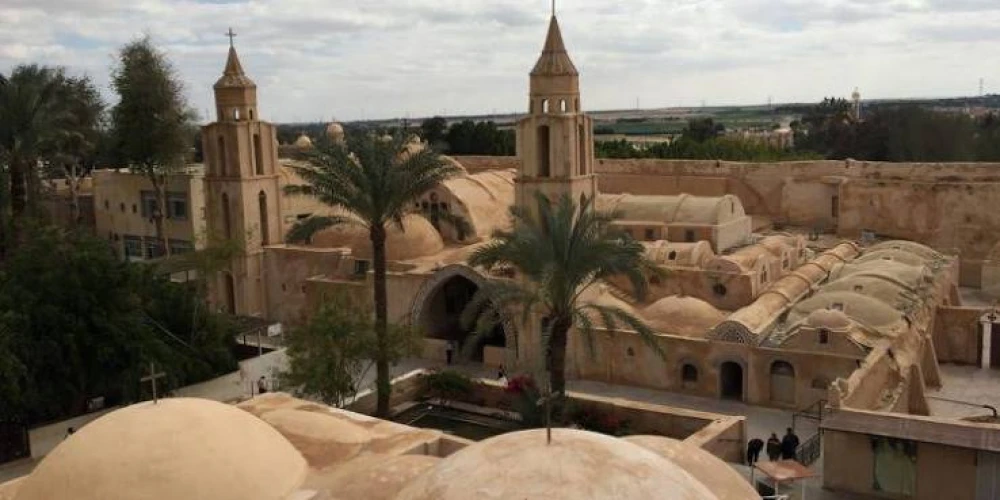
The Holy Family in Sharqia: Historical Sites and Churches
The flight of the Holy Family into Egypt is one of the most spiritually significant, historic and culturally rich quests in Biblical history. According to the Gospel of Matthew, Mary, Joseph and the young Jesus traveled through deserts and mountain passes to evade the king’s wrath. They spent around three and a half years in Egypt, covering over 3500 km from the Mediterranean coast to the heart of Old Cairo.
Despite the Coptic monasteries and ancient desert ruins in Wadi El Natrun being the most famous holy sites in Egypt, the Sharqia Governorate plays a far more important role in the historic trail of the Holy Family. Stretching from the Mediterranean coast to the heart of central Egypt, Sharqia was the main route taken by the refugee family through the Sinai Desert. Lush farms, ancient pharaonic cities and isolated groves of trees welcomed the pilgrims on their journey through Sharqia. This is your complete guide to the historic places, miracles and travel tips on the Holy Family Route in Sharqia.
1. The Ancient Geography of Eastern Sharqia
In order to fully comprehend the significance of Sharqia for the Holy Family, it is essential to understand the region’s geography in the 1st century AD. It is known that caravan and Roman military roads passed through the eastern border of the Nile Delta. Specifically, the ancient road called the Way of Horus connected Palestine, the Sinai and Egypt through the coastal city of Pelusium (Farma).
The Holy Family is believed to have entered Egypt via the Mediterranean coastal province of Pelusium. From there, Jesus, Mary and Joseph traveled west into what is now the Sharqia Governorate. In the first century, this fertile region was watered by the Pelusiac and Tanitic branches of the Nile. It was dotted with pharaonic cities and Roman garrisons.
The journey through Sharqia was both arduous and rewarding for the Holy Family. On the one hand, the family had access to plentiful water, food and shade. On the other hand, the Roman soldiers patrolling the region were a constant threat. According to Coptic legends, upon arriving in Sharqia, the infant Jesus caused all pagan idols in pharaonic temples to crash to the ground. As a result, the Holy Family was forced to constantly move from one temple to another, leaving behind holy wells of water, miracle-inducing trees and isolated groves of trees.
2. The Main Historical Sites in Sharqia
The Sharqia Governorate is home to some of the most important historic sites and monuments on the national Holy Family Trail. These include the ancient city of Tell Basta (Bubastis) and the city of Belbeis, each housing key waypoints in the journey of the Holy Family.
1. Tell Basta (Zagazig)
Tell Basta is located on the outskirts of Zagazig, the administrative center of the Sharqia Governorate. Its ancient name was Bubastis, the provincial capital of Lower Egypt and the cult center of the cat goddess Bastet. According to the Coptic Church and apocryphal Gospels, it was in the city of Bubastis that the family of Jesus Christ faced the greatest danger.
The Collapse of the Idols: According to the legend, when the Virgin Mary, Joseph and the infant Jesus entered the red granite temple of Bastet, all the pagan idols in the ancient Egyptian temple fell to the floor and shattered. Some scholars argue that this miracle was a fulfillment of the prophecy of Isaiah 19:1 – a verse from the Old Testament which predicts that the idols of Egypt will tremble before the Messiah.
The Holy Well of Jesus: After witnessing this miracle, the priests and local authorities refused to grant the Holy Family any food, shelter or water. Fortunately, a pious local resident named Athanasius invited Jesus, Mary and Joseph to his home. The family spent a night in the shade of a tree in the outskirts of the city.
When the Virgin Mary asked for some water to drink, the young Jesus simply struck the ground with his hand or a stick and a stream of fresh water surged from the sand.
The Site Today: Tell Basta remains one of the most important Pharaonic archaeological sites in Egypt. The ancient red-granite ruins of the Temple of Bastet can be explored today alongside the Holy Well of Jesus. This site has been reconstructed and enclosed in an esplanade with a modern monument and a tourist center housing pharaonic artifacts and local souvenirs.
2. Belbeis
The next city to be visited by the Holy Family was Belbeis, a historic commercial center located on the caravan road leading to Cairo. Belbeis is best known for the tree under which the Virgin Mary and Joseph rested with the infant Jesus during their journey into Egypt.
The Tree of the Virgin Mary (Shagarat Mariam): After leaving Tell Basta, the Holy Family was exhausted and wanted to rest. According to Coptic tradition, the Virgin Mary asked the local residents to allow her and Joseph to spend a night in the shade of a large tree on the outskirts of the city.
The miracle of Belbeis occurred when the tree lowered its branches to provide the Virgin Mary, Joseph and the infant Jesus with shade from the scorching sun. At the same time, the tree sheltered the Holy Family from the inquisitive Roman soldiers passing by the city.
A Sanctuary of Hospitality: Unlike the cruel priests of Bubastis, the residents of Belbeis welcomed the Holy Family with open arms. They fed the Virgin Mary, Joseph and Jesus and even provided the family with water. The tree became a symbol of local hospitality as its miraculous shade extended over the sick children and mothers who visited the site over the centuries.
The Legacy Today: Although the tree itself stopped growing and died later, the local church remembers the miracle every year on the feast day of the Virgin Mary and Saint George.
3. The Main Churches and Monuments of Sharqia
There are several historic churches and monasteries dotted throughout the Sharqia Governorate. Local parishes in the Belbeis and Zagazig regions preserve the memory of the Holy Family’s visit to Sharqia in the first century AD:
The Church of the Virgin Mary and Saint George in Belbeis is located near the remains of the Tree of the Virgin Mary. This church is a popular destination for both local residents and international Christian pilgrims who wish to retrace the steps of the Holy Family into Egypt.
The Cathedral of the Virgin Mary and Saint Michael in Zagazig is the main church in the Sharqia Governorate. It is located in the capital city near the Tell Basta archaeological reserve. Every June, thousands of Christians gather in the cathedral for the annual feast day of the Holy Family’s entry into Egypt.
The Monastic Hermitages and Local Shrines dot the countryside around Zagazig and Belbeis. These memory sites preserve the oral history of the Holy Family’s journey through Sharqia. In the 21st century, the local churches remember the miraculous events surrounding the family’s journey from one pharaonic city to another.
4. The Ultimate Guide to Traveling in Sharqia
If you are planning to discover the Holy Family Trail in the Sharqia Governorate, here are some convenient travel tips that will help you make the most of your Eyrhinean getaway:
Location & Accessibility: Sharqia is a region in the eastern Nile Delta, around 80 km to the northeast of central Cairo. The drive from the capital to Belbeis takes around 1 hour, while getting to Zagazig and Tell Basta takes 90 minutes or 2 hours on average.
How to get there: The best way to see the ancient cities and archaeological sites of Sharqia is to hire a private car with a professional driver. Alternatively, you can also book a Holy Family tour from Cairo that includes Tell Basta, Belbeis and Zagazig.
When to go: The best time to visit Sharqia is from October to April, when the warm dry season allows for comfortable walking and sightseeing. You should also aim to arrive at Tell Basta in the morning in order to have enough time to explore the ancient city and the Holy Well of Jesus.
Dress Code: It is advisable to dress modestly and comfortably when visiting the cultural and historic sites of Sharqia. Remember to cover your shoulders and knees when visiting local churches. The climate can also dictate a change in attire when exploring outdoor monasteries or archaeological sites.





-webp.webp "Hilton")
-webp.webp "dusit")
-webp.webp "Marriott Hotels")
-webp.webp "Azimut Hotel")
-webp.webp "Golden Tulip")
-webp.webp "sheraton")
-webp.webp "westin hotel")
-webp.webp "Movenpick")