
 English
 Italy
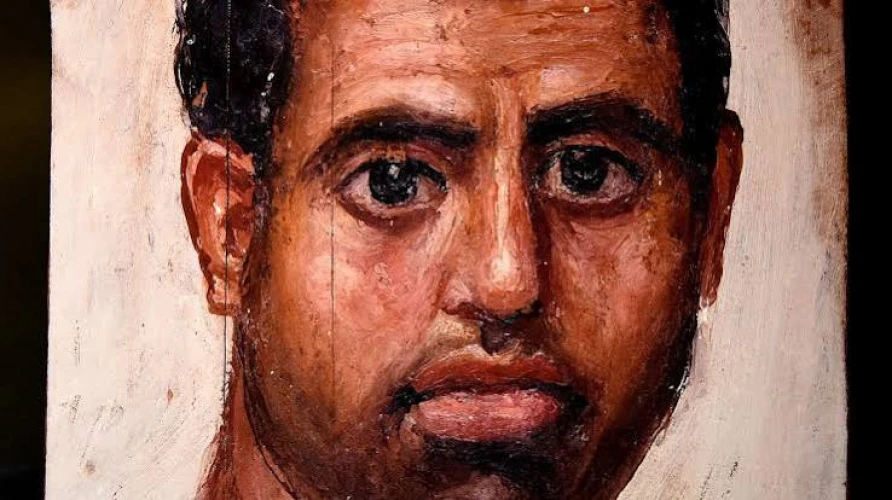
The Fayum Mummy Portraits: Masterpieces of Classical Realism in Roman Egypt
The archaeological finds of Roman Egypt provided the modern world with numerous artistic treasures, yet few of them can compare to the Fayum mummy portraits in terms of captivating the audience’s attention. This breathtaking discovery of the Roman period represents the most remarkable portraiture of its time, coming from the first to the third centuries AD. The mummy portraits are the first to depict the real faces of people, not gods and animals, with a striking level of detail that survived more than two millennia of its journey through time. Mostly found in the Faiyum desert and the necropolises of Middle Egypt, they combine the art of mummy-making and Greco-Roman realism to create unique masterpieces. Thus, the mummy portraits of Roman Egypt are a priceless artistic achievement that provides the modern world with a rare insight into the lives of real people of ancient times.
1. Discovery and Archaeological Context
Modern humanity has discovered the mummy portraits, unveiling the mystery of the lives of Roman Egypt’s ordinary citizens.
A. The First Discoveries
Although the first examples of painted mummy panels were collected from time to time in the early nineteenth century by European travelers, the first archaeological excavations that led to the discovery of mummy portraits were held by the English archaeologist Flinders Petrie at the end of the nineteenth century. Excavating the cemetery of Hawara in Faiyum Oasis between 1888 and 1889, Petrie found dozens of mummies with painted wooden panels fixed directly on the faces of the deceased. Later excavations at other Roman cemeteries (Antinoopolis, Rubayat, and Abusir el-Meleq) yielded hundreds of mummy portraits, which can now be found in the museums of Europe, America, and Egypt.
B. The Meaning of Portraits: Burial Rites and Traditions
In Roman Egypt, the rich used to be buried in mummy-shaped tombs following the Pharaonic traditions. However, the traditional cartonnage mask of the mummy was often replaced or complemented with a portrait made on a wooden panel.
The portrait was placed directly on the face of the wrapped and bound mummy, with the help of special tools. The image on the portrait was applied when the person was still alive, depicting their facial features, hairstyle, and other identifying traits, so their face could be recognized after death.
2. Materials and Artistic Techniques
The natural qualities of the picture material have allowed these delicate wooden paintings to survive the ravages of time.
A. Encaustic Painting
Most of the mummy portraits were painted using the encaustic method. For this purpose, ground minerals were used as common painting materials, mixed with hot or cold melted beeswax. Rarely, for the preparation of the mixture, resin, egg, and animal glue were added. To paint the images on the wood panels made of local imported hardwoods (lime, sycamore, cedar, oak, and cypress), the Egyptian artists used special brushes and a heated metal stylus called a cestrum.
Encaustic painting was characterized by excellent plasticity and brightness, high volume and transparency of the strokes of the brush, which allowed the faces of the deceased to acquire a living look.
B. Tempera Painting
In addition to the encaustic method, the artists sometimes used the tempera technique. To create tempera paint, they mixed ground minerals with a water-based organic binding agent. In most cases, the binding agent was animal glue or egg yolk. A distinctive feature of such portraits was their matte finish, clear outlines, and flat color blocks. However, the colors were equally bright. The ancient masters used Egyptian blue, malachite, cinnabar, ochre, lampblack, and chalk to achieve this effect. Thanks to the high quality of their work, even portraits painted with tempera have perfectly been preserved over the centuries.
3. Demographics, Fashion, and Multicultural Identity
Fayum portraits are a valuable source of information about the ethnography of the people of ancient Egypt.
A. Who Were the People Painted?
The people painted on the portraits came from all parts of the Roman Empire – they represented the multi-ethnic and multi-cultural society of Roman Egypt. The population of Egypt consists of Greeks and Macedonians who arrived with Alexander the Great, Roman soldiers and officials, native Egyptian villagers, and people of mixed race.
B. Costumes, Hairstyles, and Jewelry
The portraits are genuine historical documents that reflect the chronology of stylistic changes in the fashion of Roman Egypt. The portraited women always had beautiful hair done in the style of the current historical period. Their hairstyle could be rows of curls, braids decorated with flowers, or a coronet. Men usually had short curls, a thick beard, or sometimes even shaved their heads to look like the Roman emperors.
Women also wore a lot of jewelry. This included earrings made of gold leaf, necklaces made of emeralds and garnets, and delicate hairpins. However, men wore typical Greek clothes – a white chiton, knee-length, with a red stripe on the shoulder (clavus), and a Roman cloak fastened with a golden fibula.
4. Psychological Realism and the Gaze of Eternity
The facial features and bold gaze of the model, immortalized in the mummy portrait, amaze the modern audience with their emotional expressiveness.
A. A Direct and Inquisitive Look
An essential feature of the mummy portraits is the direct gaze of the models, most of whom look straight into the viewer’s eyes. Unlike the classical Egyptian standards of two-dimensional face depictions, the artists of Fayum paid great attention to naturalism, depicting the faces according to the true proportions.
A distinctive feature of these portraits is that most of the models seem to gaze directly at the viewer with wide open eyes and unusual facial expressions. In this way, the artists managed to convey their deep personal characteristics, be it serenity and mild melancholy or youth naivety and strength of character.
B. Connecting the Living and the Dead
The mummy portraits of the Roman period are not only artistic masterpieces but also sacred relics of ancient Egypt. In the beliefs of ancient Egyptians, the Ka and the Ba of the deceased needed a familiar face to be able to recognize the body in the grave at the time of death.
Therefore, the mummy portraits painted in the style of classical realism were a perfect example of devotion to the dead, combining the local tradition of mummification with the Hellenistic art of painting.
Conclusion
The ancient Egyptian portraits of the mummy faces discovered in the Faiyum desert are true masterpieces of art. These exquisite wooden paintings of the first to the third centuries AD have managed to survive more than two millennia and continue to captivate the audiences with their timeless beauty. Following the classical traditions of realism and naturalism, the artists managed to paint the faces of people with their individual character and national identity. Combined with the fine jewelry and clothes, these portraits depict a unique multicultural society of Roman Egypt that has long been lost but still lives in art.