
 English
 Italy
Italy
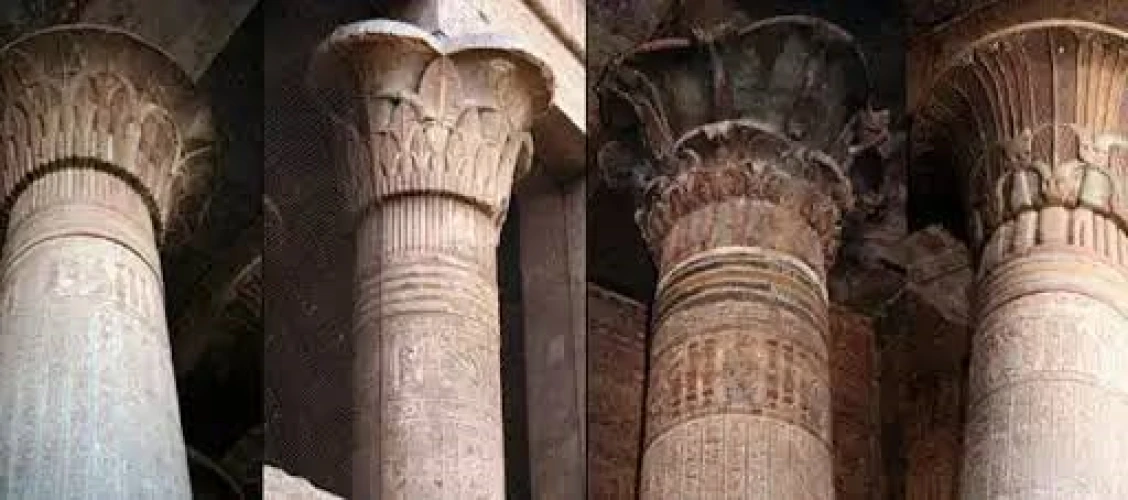
Stone in Full Bloom: A Journey Through the Stunning Columns of Ancient Egypt
Decoding the Stone: A Journey Through Ancient Egyptian Columns
Most people imagine Egypt trips as pyramids, gold and huge stone halls by a river. That is the picture. If you slow down and look again you will notice parts that sit right in front of you.
One element stands out: the column. In buildings the column was not only a way to prop up heavy roofs. The column was made with care. The column drew from the living world around the builders. The column also linked to stories and beliefs that shaped how people saw spirits and the afterlife.
I find that seeing these structures, up close can change how you travel. Of only taking in ruins you start paying attention to design and meaning.
With a guided tour made for Egypt you are not just staring at stone. You learn how thinkers of the Nile Valley shaped land, form and craft into lasting monuments.
The Papyrus Column: Symbol of the North
You will see the papyrus column on Cairo tours and in temple halls across Upper and Lower Egypt. For the Egyptians the papyrus plant meant more than ink and pages. It stood for life, fresh youth and the wet marsh lands in the Delta.
On these columns two common forms show up. One is the closed-bud type. Its capital looks like a flower bud that has not opened yet. The top area is bound tightly below the rim. It feels steady. Contained, like energy that has not been released.
The other form is the open-papyrus column. Here the capital is broad and shaped like a bell. It looks like a flower that has fully bloomed with petals spread out to reach the light. When you stand under these stone blooms on your Egypt excursions it can feel like you are inside a turned-to-stone forest, from long ago.
The Lotus Column: Elegance of the South
Papyrus was connected to the north while the lotus was linked to the south. People saw the lotus as a symbol of beginnings. Every morning it appeared to grow from dark river mud and then turn toward the sun as daylight came.
Builders took inspiration from this image when they created the lotus column. The design included shapes that were closed and shapes that were open, similar, to the papyrus style. The long shaft of the column looked like a lotus stem. Often several stems were grouped together making the base look like a tight bundle. Then at the top the design opened into delicate petals that formed the capital.
If you compare Egypt travel options you might notice these small but meaningful choices. They show how ancient Egyptian builders used what the Nile had to offer. Booking Egypt tours also helps because trained Egyptologists can point out plant details that many casual travelers do not see.
The Palm Column: Nature’s Canopy
I see the palm column as a well crafted design. In Egypt date palms were essential for everyday life. They provided food cooling shade and useful material for buildings. Skilled builders turned that tree into stone. They carved a round shaft. Then they placed a top with palm leaves layered like a fan spreading outward.
If you plan your Egypt trip with focused history stops the reason, for these choices becomes clearer. I find it easier to see how the outside world was brought into the temple space. You walk into a hall lined with carved palm fronds. It feels quiet. The look and light often feel like shade from a palm oasis on a desert afternoon.
The Hathoric Column: Divine Grace and Protection
The Hathoric column is one of the eye catching and moving sights in old architecture. The Hathoric column honors Hathor, the goddess linked with joy, music, love and motherhood. On the top of the Hathoric column the Hathoric column shows a carved face of Hathor. The ears on the face match those of a cow. Above that face the Hathoric column often carries a shrine or a narrow pylon like structure.
Seeing a Hathoric column in Egypt can feel unreal at first. The stone work of the Hathoric column looks gentle even though it sits on blocks. The carvings, on the Hathoric column carry a kind of warmth that many people do not expect from stone. If you pick an Egypt vacation plan you can move through the temples without rushing. That way you can spend time with the more personal details that are easy to miss.
The Composite Column: Innovation of Later Eras
During the Greco- years Egypt changed the way it built things. New ideas from outside mixed with traditions. Over time this blend led to styles of columns. One of the results was the column. Builders didn’t stick to one plant shape. They combined elements from palm trees, papyrus, lotus flowers and vine scrolls. The top part of the column became very intricate and full of detail.
If your trip takes you to period sites you might visit temples like Philae, Edfu or Kom Ombo. At these places the composite columns catch your eye everywhere. You can look at the carvings, up close. Really appreciate the skill. They show how the culture kept improving its art for a time.
Blending Architecture with a Nile Voyage
To understand how these columns worked in places you need a travel plan that includes both land and water.
Many people combine architecture in Cairo and Giza with Egypt travel and Nile cruise stops. It feels right to examine stone columns in northern temple sites then take a peaceful boat ride.
On an Egypt Nile cruise the days pass at an steady pace like an old way of traveling. You sit on the boat. Let the river move you. You watch green banks pass by just like people saw along the Nile years ago.
When the boat arrives at a stop you go out to open-air museums. There you can stand close to those columns again. They still appear strong with the desert sky, above them.
Elevating Your Journey With Premium Experiences
If you are looking for comfort and a stronger connection to history pick a luxury Egypt tour. Many people look up "luxury Egypt tours". Egypt luxury tours" because the trip is handled with a lot of attention. You get assistance with the planning plus a private guide. Some tours also offer VIP access. Accommodations are picked ahead of time so you don't have to worry about where to stay.
When you look at Egypt travel packages it is useful to think about what works best for your group. If you are traveling with family you can find the Egypt tours that are good for children and adults. The best day plans usually mix attractions with smaller experiences that let you ask questions. You visit sites and also learn the small stories behind them.
A strong Egypt travel tour plan begins with curiosity. You do not just run through rooms. You spend time looking at columns, carvings and hieroglyphs. Every mark is a hint about life in times. With the Egypt packages and carefully planned trips your vacation feels more important. You might move from capital cities that have palm themes to later structures that have more complicated styles. By the end you often feel an appreciation, for the people who built everything.





-webp.webp "Hilton")
-webp.webp "dusit")
-webp.webp "Marriott Hotels")
-webp.webp "Azimut Hotel")
-webp.webp "Golden Tulip")
-webp.webp "sheraton")
-webp.webp "westin hotel")
-webp.webp "Movenpick")