
 English
 Italy
Italy
Sleeper vs. Talgo: How to Travel from Cairo to Aswan by Train
Cairo to Aswan Train Booking: Everything You Need to Know
There’s something, pretty undeniably romantic about sitting there watching the Egyptian countryside roll by your window as you head south along the Nile. Leaving all that manic, electric energy of Cairo behind and waking up to lush palm groves, golden sand dunes and the calm waters around Aswan is one of those classic travel experiences every adventurer ought to taste at least once.
You could fly and have it done in barely an hour but honestly the train isn’t only “from point A to point B”. It’s more like an epic, 880-kilometer drift through the actual core of Egypt.
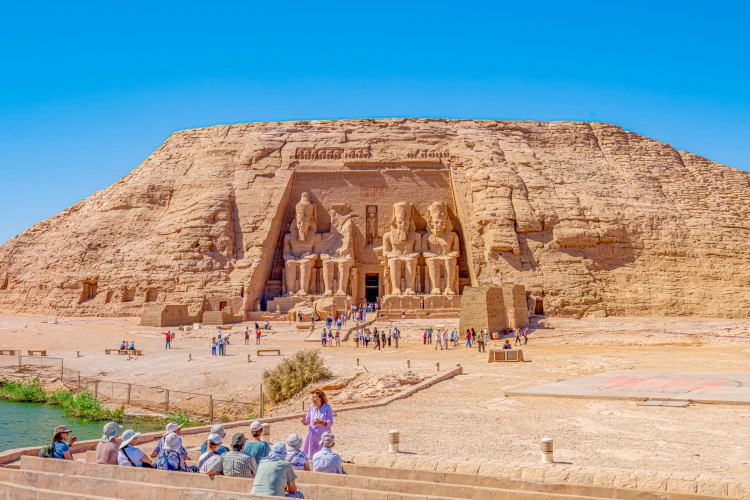
So if you’re planning to go south to begin a Nile cruise or to wander through the gorgeous temples at Philae and Abu Simbel, this is basically your no-nonsense, full journey guide for booking and riding the train from Cairo to Aswan.
1. Choosing the Right Train: Your Options Explained
Not all southbound trains running along the Nile are really the same. Depending on your budget, the way you like to move, and how much you actually need to sleep, Egyptian National Railways (ENR) and a few private operators basically give you three separate options to handle the trip.
Option A: The Abela Overnight Sleeper Train (Best for comfort & a bit of nostalgia)
Run by Abela Trains, this overnight connection feels like a hotel that actually rolls. It’s also the easiest, most comfortable option for international travelers who want to cover that 12 to 14 hour stretch with less hassle and more quiet.
The Setup: Private air-conditioned compartments with two seats that fold down into bunk style beds when night comes.
Cabin Types: Single cabins (for solo travelers who want full privacy) and Double cabins (best for couples or a pair of friends traveling together).
Amenities: Each compartment has a small private sink, fresh bedding, a foldable tray table, a lockable door, and power outlets.
Meals: Your ticket normally covers a warm dinner not long after you leave, plus a light breakfast the next morning.
Duration: Roughly 12 to 14 hours.
Option B: The Modern Talgo Express Train (Fastest & more contemporary)
If you’d rather travel in daytime, or you just want a comfy recline instead of a full sleeping bed, Egypt’s Spanish-built Talgo trains can be a real win.
The Setup: Sleek, very smooth carriages with roomy 1st Class and 2nd Class reclining seats, individual drop-down screens, modern toilets, and an onboard cafeteria car.
Why Choose It: You get the smoothest ride across the line, with suspension that feels noticeably better, plus air-conditioning that beats the usual express standard.
Duration: About 10 hours and 50 minutes, to around 11 hours.
Option C: VIP and Special Express Seated Trains (sort of Budget-Friendly)
If you’re traveling on a budget, the usual VIP or 1st/2nd Class Air-Conditioned Express trains that ENR operates, run through the day pretty regularly.
The Setup: You get plush leather reclining seats in 1st Class, or otherwise decent cloth seats in 2nd Class.
Pros: It’s one of the more affordable ways to go, and it also gives you a small real feel of everyday Egyptian travel life, like the kind locals deal with.
Cons: If you end up on an overnight run, you basically have to sleep sitting up and that can be a little annoying. Also, on-board refreshments are pretty limited to a simple snack cart, not much more.
2. How to Book Your Tickets Step-by-Step
Getting your train ticket ahead of time is a must, especially during the busy travel window from October through April where sleeper cabins and even Talgo seats seem to vanish weeks before departure. Honestly, it can be a little stressful if you wait too long.
Method 1: Booking Online (Recommended)
Booking online is mostly the easiest path for international travelers.
For Sleeper Trains: go straight to the official Abela Trains website, or use a trusted partner booking engine.
For Seated / Talgo Trains: check the Egyptian National Railways (ENR) official website, or just use the ENR official app.
Step by step, more or less:
1) Select Route: put Cairo (or Giza) as your starting point, and Aswan as the destination.
2) Choose Your Date & Class: compare departure times , because the evening sleeper trains often run around 7:00 PM – 9:00 PM.
3) Enter Passport Details: make sure you have the valid passport numbers ready for every passenger.
4) Payment & Confirmation: pay using Visa or Mastercard. After that, save the PDF ticket to your phone, and also print a paper backup, just in case.
Method 2: Buying at the Station Counter
If you’re already in Cairo and you’d rather do it in person:
Go to Ramses Station in central Cairo, or head to Giza Station.
Find the foreigner / tourist ticket window inside Ramses Station.
Also, be aware the line situation can get long, and sort of chaotic. Same-day, or even next-day sleeper cabin availability is usually uncommon , so plan accordingly.
3. Where to Board: Ramses Station vs. Giza Station
Cairo has two sort of main places where you can board trains that go down to Aswan, so yeah plan around that a bit:
Ramses Station (Cairo Central): This one is in downtown Cairo. It’s massive, loud , busy, and it feels very tied to history, but trying to move across the platforms with heavy luggage during rush hour can get a little wild.
Giza Station: This is farther south, more toward the Pyramids plateau and a bunch of the well known hotels on the West Cairo side. Pro Tip: Giza Station is much smaller, with fewer crowds, and in general easier to deal with if your stay is in Giza or Maadi. The train will usually stop there about 20–30 minutes after it leaves Ramses Station.
4. What to Expect Onboard the Overnight Journey
Taking the night train feels like some kind of nostalgic, almost rhythm-ish thing. Anyway here’s the kinda play by play of how your evening goes, more or less:
1. BoardinG & finding your cabin : T-minus 30 minutes
Try to show up at the station, like 45–60 minutes before departure. The platform announcements can move quick, so ask the station attendants, or stewards, to tell you where your carriage number is. Then your car steward greets you at the cabin door, and yes, they check your ticket too.
2. Dinner service : 1–2 hours after departure
Not long after the train leaves Cairo, your carriage steward brings a warm dinner tray straight into your compartment. Usually it’s chicken or beef with rice, plus cooked vegetables, bread, and a little dessert at the end.
3. Cabin transformation : around 10:00 PM
When you’re ready to sleep, press the call button, or tell your steward to change the seats into upper and lower bunk beds. They’ll handle it with fresh sheets, pillows, and blankets, all neat and ready.
4. Sunrise over Upper Egypt : 6:30 AM
You wake up when daylight seeps in, and suddenly you’re watching date palms, traditional felucca boats sliding on the Nile, and rural villages flowing past like a slow film. Breakfast is served around then too—pastries, cheese, jam, and tea or coffee.
5. Arrival in Aswan : mid-morning
The train finally stops at Aswan Station. Grab your things, tip your carriage steward, and step out into the warm Nubian sun, like you just got handed the next part of the day.
5. Practical Survival Tips for Train Travelers
To help everything feel smooth , and comfortable, remember these battle-tested bits and pieces:
Pack an “Action” Bag: Put your essentials—like toiletries, medication , phone chargers, an eye mask, and earplugs—in a small daypack. That way you won’t be dragging huge suitcases out from under the bottom bunk, every time you need something.
Layer Up for the AC: Egyptian train air conditioning can be oddly cold, like really cold. So even in the middle of summer, throw in a light fleece or hoodie. It’s a simple thing but it saves you.
Bring extra snacks and water: Sleeper trains do provide meals and bottled water, but having an extra 1.5L water bottle , plus your favorite snacks, is still a smart move. Just in case, you know.
Keep cash (EGP) on hand for tipping: It’s common to tip (baksheesh) the carriage steward about 50–100 EGP for good service when you’re setting up your bed or when hot drinks arrive.
Power banks are actually helpful: Outlets in older carriages can be slow, or picky, sometimes they work sometimes they don’t. Having a fully charged portable power bank means your phone stays ready for photos and maps and all that.





-webp.webp "Hilton")
-webp.webp "dusit")
-webp.webp "Marriott Hotels")
-webp.webp "Azimut Hotel")
-webp.webp "Golden Tulip")
-webp.webp "sheraton")
-webp.webp "westin hotel")
-webp.webp "Movenpick")
