
 English
 Italy
Italy
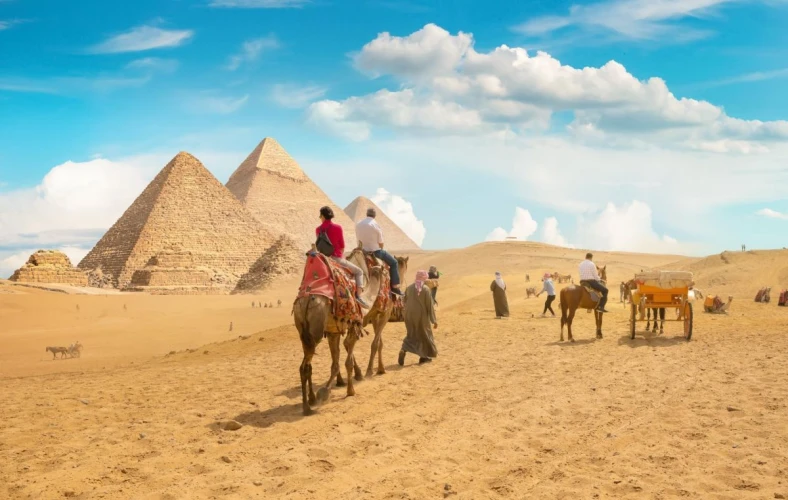
How to See the Sphinx Without the Crowds: Insider Tips.
How to See the Sphinx Without the Crowds: Insider Tips for 2026
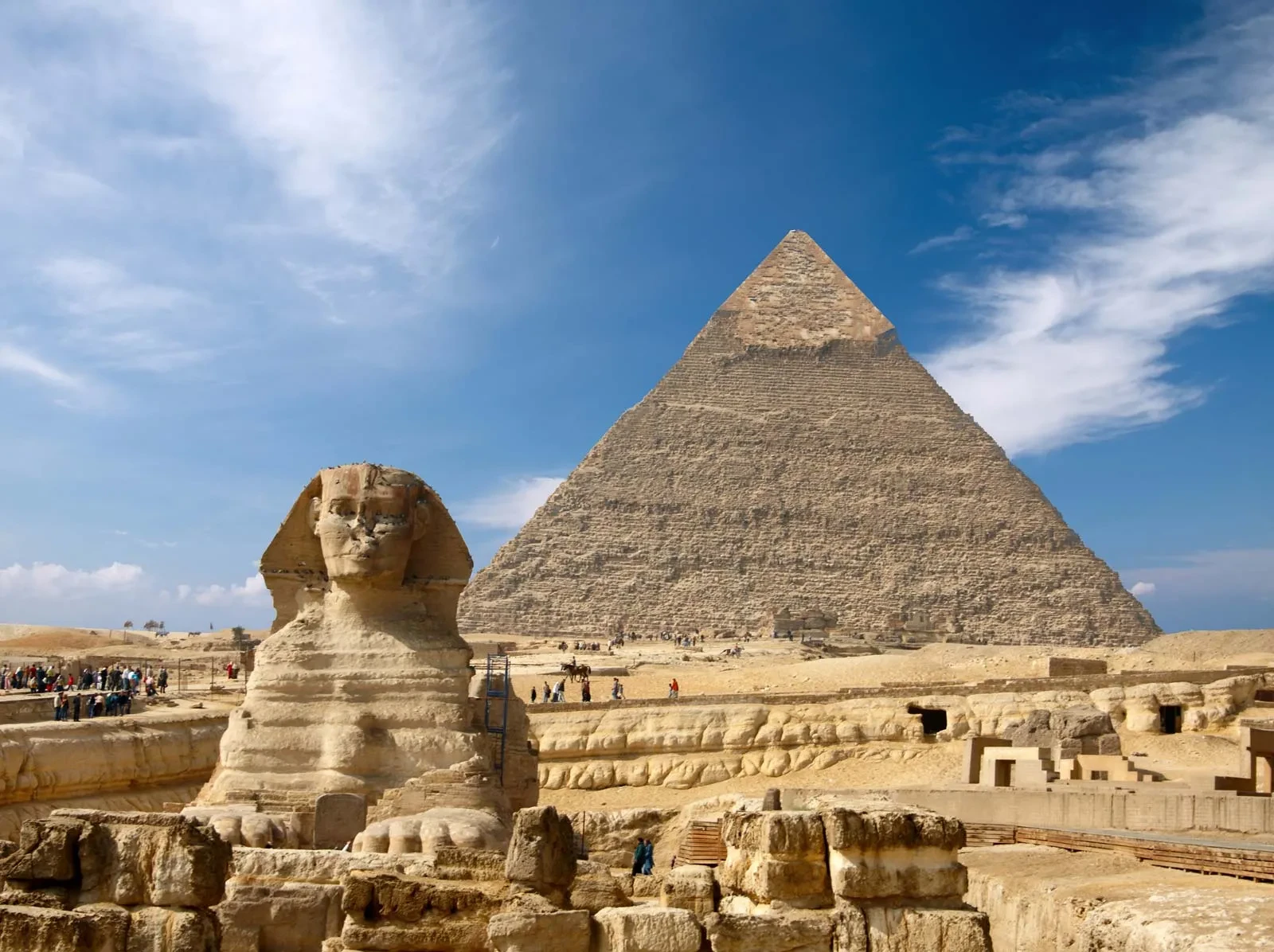
The Great Sphinx of Giza is arguably the most recognizable statue on the planet. But standing between its giant paws is a very different experience than seeing it on a postcard. In 2026, with Egypt’s tourism at an all-time high, the Sphinx "selfie-spot" can feel like a crowded subway station if you don’t have a plan.
If you want to feel the mystery of this $4,500$-year-old lion-man without 500 other people in your shot, here are the 100% human insider tips you won't find in the standard brochures.
1. The "Back Door" Entrance (The Sphinx Gate)
Most tourists enter the Giza Plateau through the "Main Gate" near the Great Pyramid (Khufu). This is a mistake if your goal is the Sphinx.
In 2026, use the Sphinx Entrance (the Sound and Light Gate) located down in the village of Nazlet el-Samman. While everyone else is busy climbing the Great Pyramid, you can be the first one at the Sphinx’s feet. When the gates open at 7:00 AM, this entrance is usually much quieter, giving you about 20 minutes of pure, uninterrupted silence with the statue.
2. Book the "Private Access" (The Between-the-Paws Experience)
Did you know you can actually stand between the paws of the Sphinx? Standard tickets only let you stand on a viewing platform about 50 feet away.
In 2026, the Ministry of Tourism offers Special Permission Visits. They aren't cheap (usually around $500 - $1,000 for a group), but if you’re a serious photography fan or on a honeymoon, it’s worth every penny. You get 30 minutes inside the enclosure after the site closes to the public. It’s just you, the Dream Stele of Thutmose IV, and the limestone giant. It is, without a doubt, the most "VIP" feeling you can get in Egypt.
3. The "Pizza Hut" Secret (The Best View for Free)
This sounds like a joke, but it’s the most famous "secret" among expats in Cairo. Directly across from the Sphinx entrance is a Pizza Hut/KFC.
If you go to the top floor or the rooftop, you get a straight-on, eye-level view of the Sphinx and all three Pyramids. In 2026, it’s still the best place to sit with a cold soda and watch the crowds struggle below while you have a perfect, unobstructed view. It’s especially great during the Sound and Light Show in the evening—you get the show for free while you eat.
4. Skip the Midday Rush
If you can’t make it at 7:00 AM, your next best bet is 12:30 PM to 1:30 PM.
Why? Because that’s "Lunch Hour" for the big tour bus groups. Most of the massive crowds are taken to nearby restaurants or hotels for buffet lunches during this time. The plateau empties out for about an hour, and the lighting is high and bright—perfect for showing the detail in the Sphinx’s face.
5. Sunset at the "Panorama" Spot
If you want the Sphinx in the foreground with the Pyramids in the background, don't stand at the Sphinx itself. Take the electric shuttle to the Panorama Point.
By 4:00 PM (just before the site closes in winter), the sun starts to drop behind the pyramids. The Sphinx becomes a silhouette, and the crowds are usually heading toward the exit. It’s the most romantic time to be there, and the temperature is finally cool enough to breathe.
6. Logistics for the 2026 Foreigner
-
The "No" Power: You will be approached by people offering "better views" or camel rides near the Sphinx. Just say "La, Shukran" (No, thanks) and keep walking. You don't need a guide to find the Sphinx—it’s right there.
-
Cashless: As of 2026, you cannot buy your ticket with cash at the gate. Have your Visa or Mastercard ready, or buy your ticket online through the official portal.
-
The New Walkway: There is a brand-new pedestrian walkway in 2026 that connects the Grand Egyptian Museum (GEM) to the Sphinx area. It’s a long walk (about 2km), but it’s beautifully paved and offers angles of the Sphinx that were previously blocked off.
Why the Sphinx Still Matters
There is a lot of debate about who built the Sphinx and when. Some say it’s older than the Pyramids; others say it’s the face of Pharaoh Khafre. But when you’re standing there, away from the noise and the cameras, none of that matters. You’re looking at a piece of history that has watched the world change for four millennia.
Seeing it without the crowds isn't just about the photo—it’s about having a quiet moment to realize just how small we are in the grand timeline of human history.





-webp.webp "Hilton")
-webp.webp "dusit")
-webp.webp "Marriott Hotels")
-webp.webp "Azimut Hotel")
-webp.webp "Golden Tulip")
-webp.webp "sheraton")
-webp.webp "westin hotel")
-webp.webp "Movenpick")
