
 English
 Italy
Italy
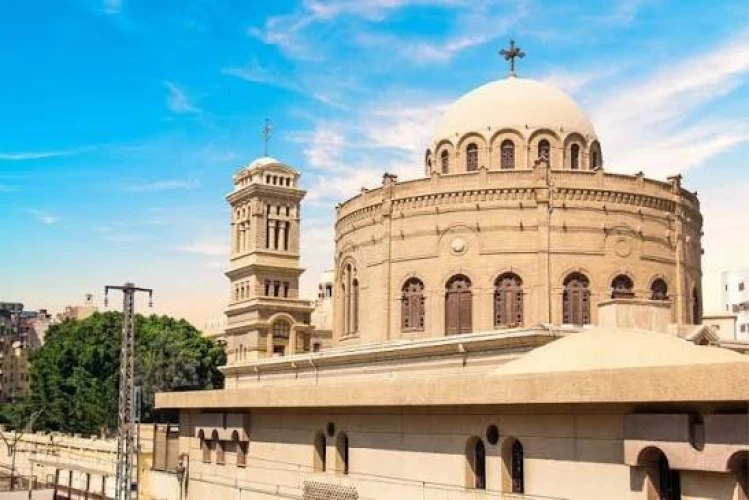
Samanoud on the Holy Family Route: What to See
The journey of the Holy Family through Egypt belongs to the most spiritually uplifting, historically profound, and culturally rich sagas of the ancient world. As described in the Gospel of Matthew, the Virgin Mary and the infant Jesus, with Joseph the husband of Mary, had to flee their home in Bethlehem to escape the bloody persecution of King Herod. Venturing through harsh desert borders, they spent roughly three and a half years traveling across Egypt, traversing more than 3,500 kilometers from coastal entries to the fertile Nile Delta to the urban quarters of Old Cairo and the limestone cliffs of Upper Egypt.
While Coptic Cairo and the desert monasteries of Wadi El Natrun attract international attention, the Nile Delta provided the first welcome to the weary travelers. Among the various towns dotting this fertile region, Samanoud — a thriving city on the banks of the Damietta branch of the Nile River in the Gharbia Governorate — is known for the warm hospitality that its ancient residents showed the family of saints. Preserving priceless physical relics and spiritual legacy, Samanoud has everything the traveler could wish to learn about the history, key attractions, and sacred relics of the region as well as logistical tips for your Samanoud visit on the Holy Family route.
1. The Historical and Geographical Context
To understand Samanoud’s importance on the Holy Family Trail, it helps to look into its ancient roots. Known in pharaonic times as Sebennytos (or Teb-netjer), Samanoud was an important political and religious center in ancient Egypt. It gained immense historic renown during the 30th Dynasty (380-343 BC), the last native pharaonic dynasty that ruled Egypt, as its capital city. It was also the birthplace of Manetho, the famous 3rd-century BC high priest and historian who compiled the definitive list of chronological dynasties of pharaohs used by Egyptologists today.
When Mary, Joseph, and the infant Jesus arrived in Sebennytos during the 1st century AD, it was a busy river port with ancient stone temples, active markets, and busy dockyards. Prior to arriving in Samanoud, the Holy Family had experienced hardship and rejection in towns like Tell Basta (Bubastis), where the local populations turned them away after pagan idols fell upon their entrance.
However, Samanoud proved to be quite a contrast. According to the centuries-old Coptic tradition and historical Church chronicles, the inhabitants of Samanoud welcomed the family of saints with open arms, giving them food, clean water, and safe shelter. Touched by their warmth and generosity, the child Jesus blessed the town, its people, and its water sources, leaving behind a lasting spiritual heritage that is lovingly safeguarded by the local Christian and Muslim communities for two millennia.
2. What to See in Samanoud: Sacred Sites and Historical Relics
Today, Samanoud is recognized as one of the most important and officially preserved waypoint towns on the national Holy Family Trail by Egypt’s Ministry of Tourism and Antiquities. The highlight of a Samanoud visit is the historic Church of Saint Abanoub directly over the ancient site where the Holy Family resided during their stay:
The Church of Saint Abanoub (The Church of the Virgin Mary and Saint Abanoub)
Located in the heart of Samanoud, this historic sanctuary is dedicated to the Virgin Mary and the beloved 4th-century child martyr born in the nearby town of Nehisa (Saint Abanoub). The church building itself displays classic Coptic basilican architecture with thick masonry walls, timber ceiling supports, and beautiful iconostasis screens of mother-of-pearl and ivory inlaid.
Visiting the Church of Saint Abanoub offers the traveler a chance to see several extraordinary physical relics directly related to the Holy Family:
The Granite Kneading Trough (Basin): Inside the church complex, visitors can view a massive, heavy Granite Kneading Trough or Basin. According to Coptic tradition, this stone vessel belonged to the hospitable family who hosted the Holy Family. The Virgin Mary used this basin to mix and knead dough while baking bread for her family during their multi-day stay in the town. Today, pilgrims touch the stone basin in prayer, seeking blessings and remembrance of the Virgin Mary’s maternal care.
The Holy Well of Jesus: Found in the open courtyard of the church compound, this ancient, deep stone well is said to have been brought or blessed by the infant Jesus to provide clean water for his mother and Joseph. The well has been flowing continuously for two thousand years and its waters are preserved as a blessing for pilgrims and visitors to the region.
The Shrine of Saint Abanoub: The church also contains the sacred relics and shrine of Saint Abanoub, whose story of unwavering faith inspires thousands of Coptic believers who visit the sanctuary during annual feast days.
Archaeological Remains of Ancient Sebennytos
While wandering the area around the Church of Saint Abanoub and the wider Samanoud town, history buffs can take in scattered granite blocks, lintels, and column fragments from the ancient Pharaonic Temple of Anhur-Shu built by the Pharaohs Nectanebo I and Nectanebo II of the 30th Dynasty.
3. Samanoud on the Broader Delta Pilgrimage Trail
A central point on the Holy Family’s journey across the Nile Delta and a vital link between eastern agricultural towns and northern sacred sites:
From Tell Basta and Belbeis to Samanoud: In their journey after fleeing the hostility of Tell Basta, the family rested under a tree in the town of Belbeis before heading northwest across the Delta plains towards the welcoming riverbanks of Samanoud.
From Samanoud to Sakha: Having rested in Samanoud, the family headed on their northward journey towards the town of Sakha (near Kafr El-Sheikh), where the child Jesus left his footprint (Bikha Isous) embedded in smooth stone.
From Sakha to Cairo: Followed by their journey through the northern Delta region, the family headed south to the caves of Old Cairo to find long-term shelter.
4. Practical Travel Guide for Visitors
To plan a smooth, enriching, and respectful visit to Samanoud, bear in mind the following practical guidelines:
Location: Samanoud is located on the eastern bank of the Damietta branch of the Nile River in the Gharbia Governorate — approximately 135 km north of central Cairo and 15 km northeast of the industrial city of El-Mahalla El-Kubra.
How to Get There: The best way to get to Samanoud is to rent a private car and driver or join an organized tour focusing on the Holy Family Route from Cairo. The drive from Cairo takes around 2-2.5 hours by the Agricultural Highway or the Regional Ring Road.
Best Time to Visit: Visit Samanoud between October and April to enjoy comfortable temperatures and good walking weather. Arrive early in the morning to have time for the Church of Saint Abanoub, and plan to visit nearby Delta waypoints like Sakha or Tell Basta in a single day.
Dress Code and Etiquette: The Church of Saint Abanoub is an active house of worship and pilgrimage site. Please dress modestly and ensure that your shoulders and knees are covered. Men should remove their hats in the sanctuary and keep talking to a minimum volume out of respect for the worshipers.
Annual Celebrations: The town sees vibrant local celebrations during the Feast of the Holy Family’s Entry into Egypt (celebrated in early June) and the Feast of Saint Abanoub (celebrated in late July), marked by colorful religious processions and festivities around the church.





-webp.webp "Hilton")
-webp.webp "dusit")
-webp.webp "Marriott Hotels")
-webp.webp "Azimut Hotel")
-webp.webp "Golden Tulip")
-webp.webp "sheraton")
-webp.webp "westin hotel")
-webp.webp "Movenpick")