
 English
 Italy
Italy
Roman Taxes in Ancient Egypt
The Price of Empire: Unlocking the Secrets of Roman Taxes in Ancient Egypt
When you think about your dream trip to Egypt your mind probably goes to sun baked desert dunes, tall stone columns and big pyramids that hold secrets. It’s easy to see Egypt’s past as a romantic story with pharaohs, gods and huge temple projects.. If you look more closely at the country’s rich history you start to see a surprisingly normal side to everyday life old tax collectors with strict records and even the cost of living during a time of rule.
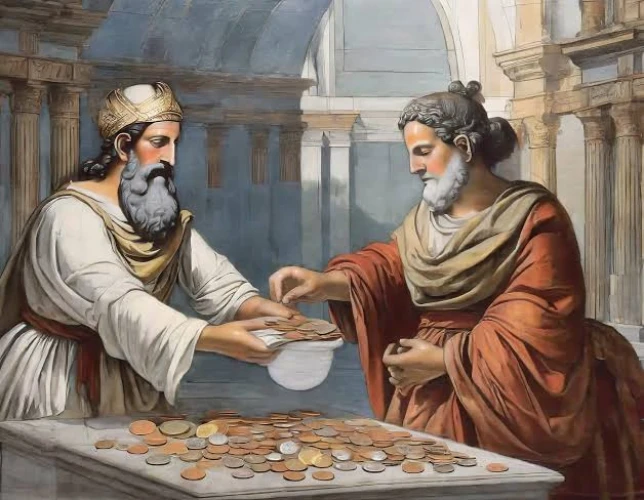
When Rome took over the Nile Valley in 30 BC under Emperor Augustus they didn’t just take over a place they took the economic prize. Egypt became the food source for the Roman Empire.. To make sure Rome had food and the army was paid for the administration created a huge organized system, for collecting taxes. It sounds complicated but it affected people they paid they kept records they worried.
If you are making your perfect Egypt travel plan let’s go back in time for a moment and look at how ancient money, bills and financial rules shaped life during an Egypt trip.
When the Breadbasket of Rome Paid the Bills
Imagine waking up every day knowing that a big part of your harvest and the money you make is being watched and counted by an empire that is far away. This is what life was like for people who lived along the Nile River when the Romans were in charge.
If you take one of the tours of Egypt your guide will tell you about how different societies were able to build big things. In Roman Egypt everything was connected by a system of taxes. It might sound boring. It is actually really important to understand what it meant for ordinary people.
1. The bad head tax
One of the taxes was the head tax that people had to pay every year. Every adult man had to pay this tax except for some Roman citizens and a few important Greek people who lived in the city. This tax was not about collecting money it was also a way for the empire to control people and show them where they fit in.
2. Paying with wheat
The soil in Egypt is very good for growing crops so the government liked to tax the wheat that farmers grew. Farmers had to give up a lot of their wheat every year. It was a big burden for them. The government would then store the wheat. Send it to Rome to feed the people who lived there.
3. Old receipts on broken pottery
One of the interesting things that people have found from this time period is all the old receipts and records that people left behind. Because paper was expensive people would write down payments on pieces of pottery or on small pieces of paper. Archaeologists have found a lot of these receipts and they are like looking at old bills and receipts from today except the names are different and it feels more real. It just goes to show that dealing with taxes has been a problem for a time and it is not just something that we have to deal with today. The people who lived in Egypt a time ago had to deal with taxes, like the head tax and the wheat tax and it was a big part of their lives.
Weaving Ancient Economic History Into Your Egypt Travel Packages
Designing custom Egypt vacation packages should feel exciting, creative and of tailored to your own personal likes. Somehow the unforgettable travel moments are the ones that slip past the usual tourist checklist and you end up catching the hidden stories behind those ancient stones.
Whether you want personalized Egypt private tours or you’d rather go with a smooth luxury Egypt tours setup here is a way you can shape a richer historically diverse adventure that actually fits you:
Kick off in the capital: start with immersive Cairo tours that wander through old administrative strongholds. These were places where the region’s financial records and governance were managed, day to day.
Explore regional museums: head to sites and top-tier museums too where ancient tax receipts, papyri and administrative artifacts are kept so visitors can see them up close and personal.
Glide, down the river: add a historical balance by choosing a Nile cruise Egypt experience so you can relax while you sail past the timeless green riverbanks that once supported Roman commerce through endless harvests.
When you’re browsing the best Egypt travel packages always check for flexibility. The top tours of Egypt usually include lively guides, who can translate those historical layers and also open up the fascinating economic drama hiding beneath it all.
Practical Tips for Exploring Roman History in Egypt
To get the most out of your Egypt trip package remember these tips when you are exploring Egypt do not rush it.
Look past the temples: Egypt is famous for its temples but you should also visit places that show what daily life was like, like old neighborhoods and buildings from the Roman era.
Use a guide: Understanding how people lived and worked in ancient times can be hard. So it is an idea to have a guide with you on your Egypt guided tours. This way you can see the picture of what you are looking at.
Learn about the culture: Talk to your guides about what life was like, in Egypt towns and try to imagine what the busy markets were like where ordinary people lived and worked in Egypt.
Turn Your Travel Dreams Into Reality
Egypt feels like a living jigsaw puzzle, not exactly all neat, where pharaohs, Greeks, Romans and many other groups left these indelible little marks across the land. You can almost see it , from grain shipments moving toward Rome, to those small pottery shards, quietly noted with tax payments , because it shows how a big ancient world actually worked.
So if you’re ready to stop just daydreaming and start packing already , take a look at our curated set of egypt packages , best egypt travel packages, and specialized tour egypt itineraries. Whether you’re after a classic egypt tours experience with a nile cruise onboard, or you prefer self paced independent egypt travel tours , your ultimate adventure is waiting.
Book your egypt cruises and land excursions today, and prepare yourself for an egyptian tours experience you’ll want to keep , cherish forever !





-webp.webp "Hilton")
-webp.webp "dusit")
-webp.webp "Marriott Hotels")
-webp.webp "Azimut Hotel")
-webp.webp "Golden Tulip")
-webp.webp "sheraton")
-webp.webp "westin hotel")
-webp.webp "Movenpick")