
 EN
 IT
 ES
 FR
 ZH
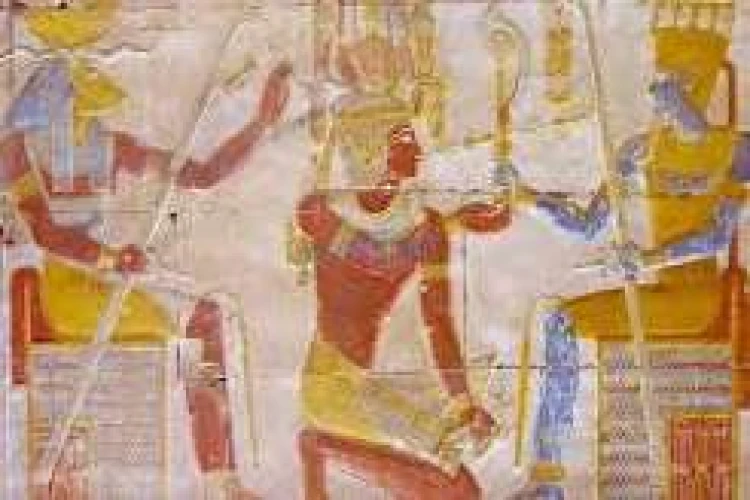
Osiris: The God of the Afterlife and Resurrection
Few gods had quite as much meaning to the ancient Egyptians as Osiris. As Lord of the Underworld and Judge of the Dead he symbolised eternal life and rebirth. While the sun god Ra ruled over the heavens, Osiris ruled the underworld. He gave the ancient Egyptians a sense of comfort that they would have an eternal afterlife.
By learning about his mythology, symbols, centres of worship and burial practices you’ll gain a deeper understanding when visiting Egypt’s tombs, temples and museums.
1. Origins – Mythical King of Egypt
Osiris was born to Geb (earth god) and Nut (sky goddess) and was married to the goddess Isis. Osiris was seen as the wise and kind first earthly ruler of Egypt before becoming ruler of the underworld.
He was known for:
Teaching the people of the Nile Valley how to farm wheat and barley, bake bread and make wine. He taught them to build towns, create fair laws and worship the gods properly. This improved humanity from a chaotic beginning, into a peaceful, prosperous life.
Osiris was also associated with fertility and the Nile floods. Just as the seeds would be buried into the soil and grow into lush green plants after the Nile flooded, Osiris would bring life.
He was a kind, fair ruler. Unlike warlike gods, Osiris was well known for being a kind and gentle king. He ruled peacefully and was seen as the golden standard of Maat.
2. Osiris, Isis and Set
The myth of Osiris being betrayed, killed and resurrected was an important part of ancient Egyptian religion. It explains how the pharaohs could legally take the throne and also that humans could live eternally.
A. Betrayal by Set
Set was jealous of how popular Osiris was and wanted to kill him. He plotted to kill his older brother by making him fit into a beautifully decorated chest which was exactly his size. During a banquet Set offered the chest to whomever could fit inside. Osiris laid down in the chest and Set and his accomplices sealed it and threw it into the Nile.
B. Search by Isis and Resurrection
Isis searched tirelessly around Egypt and the Mediterranean Sea. She found the chest and returned it to Egypt with Osiris’s body inside. When Set found out he ripped the body apart. Isis and her sister Nephthys, along with Anubis and Thoth, found all the pieces of Osiris. They then wrapped him in linen strips and created the first ever mummy. With her powerful magic, Isis brought Osiris back to life temporarily. From this she conceived her son Horus.
C. Lord of Eternity
Although Osiris could no longer live in the living world, he was now immortal and became the Lord of the Underworld (Duat). Horus grew up to defeat Set and took the earthly throne. This created the eternal cycle of every living pharaoh being Horus and every dead pharaoh being one with Osiris.
3. Symbolism
Ancient Egyptian artists created clear imagery of Osiris with the following symbols:
Mummy: Osiris is almost always shown wearing a tight white shroud. Only his head and hands are visible holding his crook and flail.
Green or Black Skin: His skin is shown in bright green to represent new growth, spring and rebirth. Or dark black to represent rich soil.
Atef Crown: Osiris wore an Atef crown. This consisted of a tall white cone shaped crown from Upper Egypt with two ostrich feathers to represent Maat.
Djed Pillar: The Djed pillar resembled a spine or bundle of reeds. This was one of the main symbols of Osiris. It represented stability.
4. Abydos – Centre of Worship
While Osiris was worshipped all across Egypt, the ancient city of Abydos in Upper Egypt was his most holy centre of worship. Ancient Egyptians believed this was where his tomb was.
They would travel to Abydos for thousands of years. Some travelled there while alive and others had their mummies transported there by boat. They would leave behind a stele and offering chapel made from stone close to his shrine so that their souls could share in his rebirth.
Every year the priests would perform a sacred play showing the death of Osiris, defending his sacred bark and his resurrection. Thousands of pilgrims visited.
Today tourists can visit the beautifully carved Temple of Seti I and mysterious underground Osireion. This amazing building consists of huge granite blocks and water channels to give the feeling of the island from where Osiris was resurrected.
5. Osiris – Judging the Dead
In the afterlife Osiris would judge every soul in the Hall of Two Truths.
Osiris could be seen sitting on his throne of justice. Isis and Nephthys stood by his side while Anubis weighed the heart of the dead using golden scales. Thoth would write down the results.
Everyone hoped for this. Osiris was originally only associated with dead kings during the Old Kingdom. However during the Middle and New Kingdom everyone who was virtuous would be resurrected. The texts often referred to the justified dead as ‘the Osiris’ and their name.
6. Tips for Tourists
Visit Abydos – Day Trip from Luxor. Visit the beautiful temple of Seti I. The reliefs are well preserved and show the king performing rituals for Osiris and raising the Djed pillar.
Look for the weighing of the Heart Scene in museums. In the Egyptian Museum in Cairo and the Grand Egyptian Museum look at the painted papyri from the Book of the Dead and look at wooden coffins. You will see Osiris sitting on his throne wearing a white linen shroud. He will have green skin and be judging the scale.
Look for corn mummies. In your museum look for small wooden frames filled with soil. These resemble Osiris and were placed in royal tombs with barley seeds inside. When the seeds grew it showed that Osiris had brought life.
7. Significance of Osiris in Ancient Egypt
Osiris was a very significant god to the ancient Egyptian civilisation. He gave hope that we would have a fair ruler on Earth, that family love would conquer any disaster and that virtuous souls would be reborn into eternal peace. His story is one of the most touching and lasting stories of the ancient world.