
 English
 Italy
Italy
Naqada I Culture Guide: Prehistoric Upper Egypt, Amratian Pottery, and Early Chiefdoms
Naqada I Culture: The Amratian Phase of Predynastic Egypt
Developing along the bends of the Nile River in Upper Egypt, roughly between 4000 BC and 3500 BC, the Naqada I Culture—once called the Amratian Culture in older references—sort of marks that first big stage of the Predynastic era.
Building on what came before from the earlier Badarian culture, Naqada I brought noticeable upgrades in the way people expressed art, how society got layered, how regional commerce worked, and even the first signs of political centralization, all tied up with major settlements like Naqada and Hierakonpolis (Nekhen), kind of like they were the main centers.
Here is the full guide to the Naqada I culture, its iconography , burial practices, and historic legacy
1. Distinctive Artistry: White-Cross-Lined Pottery
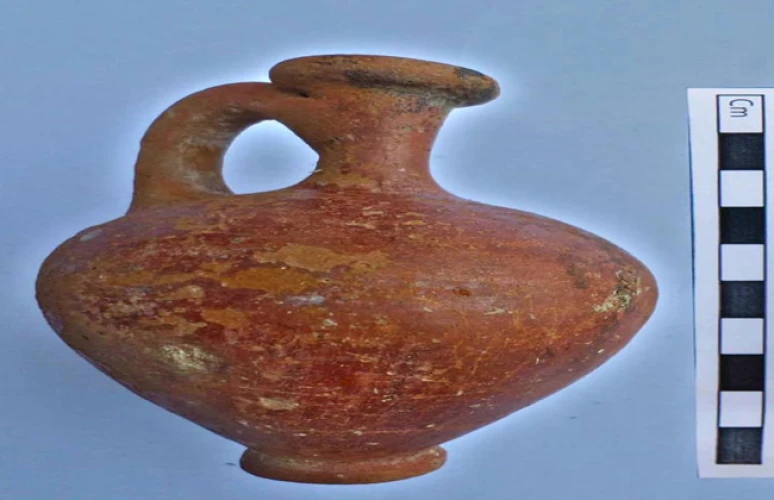
When the Badarians got really good at making the black-topped red vessel, the Naqada I artisans basically went ahead and tried something different, they introduced a painted ceramic style that people later call White-Cross-Lined Ware, or C-ware, sort of a revolutionary thing:
Red Slipped Clay, yeah: the pots were made from red Nile silt, then they burnished everything and fired it, until it reached that deep red finish.
White Pigment Designs: the artists laid down intricate geometric marks, like chevrons, cross-hatching, and thin-ish lines, using a thick white pigment.
Early Representational Art: this is where it gets interesting because for the first time, ceramic vessels started showing figurative imagery, not just decoration. You can see desert wildlife, like hippopotamuses, gazelles, and giraffes, plus hunting moments, boats, and even people carrying bows or holding standards.
2. Iconic Artifacts: Slate Palettes and Ivory Carvings
Naqada I culture is kind of famous for how it refined luxury goods, personal adornment, and ceremonial gear, yes—so it looks really deliberate.
For example, there are the Geometric Slate Palettes: the makers worked with siltstone, also called slate , cosmetic palettes, usually made in geometric shapes or stylized animal silhouettes, like fish, turtles, and birds. These pieces were used to grind green malachite eye paint, kind of turning stone into something usable.
Then we have the Disc-Shaped Maceheads: these were carved from tough stones such as limestone or porphyry. The disc shaped maceheads showed up as real practical weapons, but also as early signs of authority and military leadership.
And also the Ivory and Bone Crafts, where artisans carved delicate hair combs with animal figurines at the top. You also see ivory tusks, spoons, and little human figurines, made from ivory or clay, often showing women or bearded men, depending on the scene.
3. Social Hierarchy and Burial Customs
Digging across Upper Egypt, and yeah especially around El-Amrah and Naqada , shows something like a community that keeps getting more complicated , and also more divided by rank. What stands out is
Tomb Construction, where the early graves were mostly just shallow pits , but later they become bigger, more rectangular, sort of oval pits, lined with reed mats or sometimes wooden planks.
Burial Orientation too, because the dead weren’t tossed about randomly . Instead they were put in a fetal posture , wrapped in animal skins, or woven mats , all while they looked west toward the setting sun, which feels intentional.
Status Differentiation , is where the differences really show. In common graves you might find only a few simple vessels , but for elite tombs , the inventory shifts a lot , with dozens of painted vessels, copper awls , slate palettes, gold beads, and even carved ivory. So the personal wealth and social standing become obvious , like you can almost read it straight from what was placed there.
4. Economy, Trade, and Village Life
The people of Naqada I, lived in what was basically permanent farming settlements, mostly made of wattle-and-daub huts, mud-brick structures, and those enclosed livestock pens, like it was never really temporary.
Agriculture and livestock: they grew emmer wheat, barley, and flax, then herded cattle, sheep , and goats across the fertile Nile floodplain.
Expanding trade networks: the Naqada I groups traded a lot beyond their local region, getting gold from the Eastern Desert , obsidian from Ethiopia, lapis lazuli from Asia, and copper from Sinai.
Emergence of power centers: over time these smaller agricultural communities started clustering near important strategic locations along the Nile, and it kind of set things up for the stronger regional chiefdoms that show up in the later Naqada II period.





-webp.webp "Hilton")
-webp.webp "dusit")
-webp.webp "Marriott Hotels")
-webp.webp "Azimut Hotel")
-webp.webp "Golden Tulip")
-webp.webp "sheraton")
-webp.webp "westin hotel")
-webp.webp "Movenpick")
