 EN
 IT
 ES
 FR
 ZH
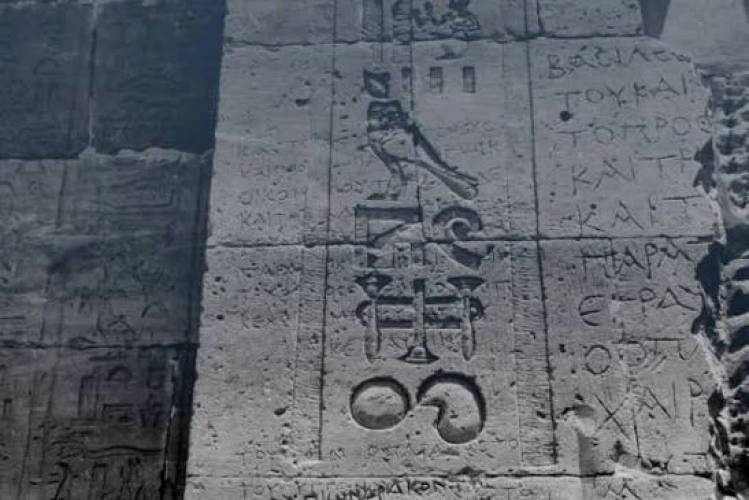
Ma’at: The Goddess of Truth, Justice, and Cosmic Order
At the basis of Ancient Egyptian civilisation lay Ma’at as the concept and deity representing truth, justice, balance, harmony and order in the universe as a whole. Whilst other deities were associated with particular aspects of nature and the world around them – the sun, underworld and Nile – Ma’at represented the moral force of the world keeping the entire universe balanced. Without her there would be instant chaos.
Understanding more about Ma’at, including her origin story, role in mythology, moral values and symbolism will help you understand more from any temple reliefs, official decrees and items in museums.
1. Origin Story and Role in the Universe
According to Ancient Egyptian beliefs, the first thing the creator god did when he created the universe from the water of Nun was introduce Ma’at to replace the chaos.
Important facts to know about Ma’at:
The Opposite of Chaos (Isfet): The ancient Egyptians believed life was an eternal battle between Ma’at and Isfet. Ma’at represented order, truth and justice, whilst Isfet represented chaos, lies and disorder. Any natural disasters, political issues or immoral actions were caused by Isfet invading the world and needed to be balanced by implementing Ma’at.
Pharaoh’s Main Religious Duty: The main duty of all Pharaohs was to perform Ma’at. This meant keeping fair laws in place to protect Egypt, building temples and offering correct sacrifices to gods.
Balance in the World: Ma’at ensured things ran smoothly such as the sun rising each day, the Nile flooding once a year, seasons changing and people acting morally.
2. The Weighing of the Heart
Ma’at is most famously known as being involved in the weighing of the heart in the afterlife.
The Scales of Justice: During the weighing of the heart, the soul of the dead would stand before a golden set of scales. One side held the heart of the human and the other side held the feather of Ma’at. The scales were presided over by Osiris and watched over by Anubis and Thoth.
Living Morally: In order to pass the test and enter paradise (the Field of Reeds), the heart needed to weigh the same as the feather of Ma’at. Whilst standing before the scales the dead would recite the Negative Confessions which was a deep moral code stating they had not committed 42 sins such as theft, lying, starving the hungry or polluting the Nile.
Balance: This incredible test taught everyday Ancient Egyptians that in order to gain an eternal reward they would have to live a moral life – not because they were royalty or rich, but because they had lived with personal integrity, kindness and followed Ma’at.
3. Symbolism
Ancient Egyptian artists would depict Ma’at using the following symbols which it is easy to spot in temples and on pharaoh’s stelae.
The Ostrich Feather: Ma’at’s main symbol is the ostrich feather. She wears one feather held upright on her head.
A Winged Woman: Ma’at is depicted as a beautiful woman with large wings of a Falcon. This represents her flying across the heavens and earth to protect those who are doing right.
Offering Ma’at: Pharaohs are often depicted offering a small kneeling statue of Ma’at to major gods such as Amun-Ra and Osiris in temple reliefs.
4. Travel Tip
Look for the Ostrich Feather: When looking at the scrolls of the Book of the Dead in Cairo museums look at the centre of the scales to see the white ostrich feather of Ma’at.
Look for the Pharaoh Offering Ma’at: Look at the inner sanctum of the temples at Karnak, Luxor, Edfu and Philae to see reliefs of the Pharaoh offering a small sitting statue of Ma’at to the gods.
Look for Ma’at’s Feather: Look at statues and jewellery of royalty to see how sometimes they would wear Ma’at’s feather in their crowns and necklaces.
5. Why Ma’at is Important
Ma’at reminded Ancient Egyptians that their actions mattered in the universe. If everyone tried to live truthfully, fairly and harmoniously then they were helping keep the universe going. Ma’at became the moral centre of Ancient Egyptian civilisation.