
 English
 Italy
Italy
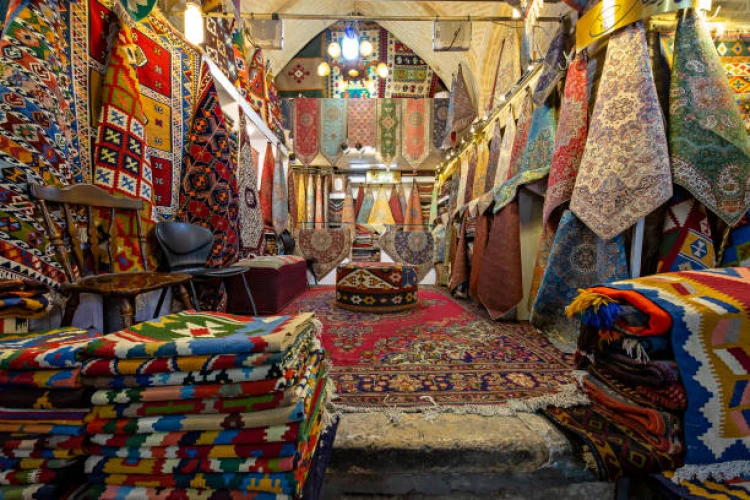
Luxury Shopping in Egypt: Where to Find Real Quality Souvenirs
Forget the plastic pyramids and the "Made in China" trinkets that clutter the stalls of the main tourist tracks. In the 2026 season, Egypt has undergone a massive shift toward high-end artisanal revival. There is a new generation of Egyptian designers and traditional craftsmen who are reclaiming their heritage, creating pieces that are meant to be passed down as heirlooms rather than tucked away in a junk drawer.
Finding "real quality" in Egypt requires knowing where to look and, more importantly, understanding the stories behind the materials. For travelers enjoying Egypt luxury vacations, discovering authentic Egyptian craftsmanship, premium souvenirs, and exclusive shopping experiences adds another memorable layer to their luxury journey.
1. The Gold and Silver of Khan el-Khalili (The "Insider" Way)
While Khan el-Khalili can feel like a labyrinth of chaos, it houses some of the finest jewelry workshops in the Middle East. However, the "real quality" isn't on the main thoroughfares.
-
The Custom Cartouche: Don’t buy a pre-made one. Seek out established family names like Azza Fahmy. While she now has boutiques in luxury malls and London, her heart is in the craft. In 2026, her "intellectual jewelry" merges Ottoman and Pharaonic calligraphy with sterling silver and 18ct gold. These aren't just souvenirs; they are wearable poetry.
-
The "Wekala" Workshops: If you want a bespoke piece, head to the Wekala areas deeper in the market. Look for solid 18k gold (the Egyptian standard is high-purity) and ask about the weight. Real quality here is sold by the gram plus a "workmanship" fee (masna’eya).
-
The Human Connection: Jewelry shopping in the Khan is a social contract. You sit, you drink tea, and you discuss the design. If a shopkeeper rushes you, move on. The best pieces are found when the jeweler takes pride in explaining the hallmark.
2. Egyptian Cotton: The "White Gold" of 2026
In 2026, there is a major movement to bring "Egyptian Cotton" back to its elite roots. You’ll find it in two forms: ultra-luxury bedding and high-fashion resort wear.
-
Malaika Linens: Founded by two women dedicated to teaching traditional embroidery to underprivileged women, Malaika is now the gold standard for luxury linens. Their thread counts are genuine, and their hand-pulled thread work (Ghoury) is world-class. You can find their boutiques in Zamalek or near the GEM.
-
The "Dahabiya" Style: For clothing, look for brands like Kiliim or boutique labels in Cairo that use Giza 45 cotton (the highest grade in existence). It feels like silk but wears like iron. A high-quality Egyptian cotton shirt should be slightly heavy, opaque, and incredibly soft to the touch.
3. Alabaster and Stone: From the Mountains of Luxor
In the village of Gurna on Luxor's West Bank, stone-cutting is in the DNA of the people. But be warned: 90% of what you see in the shops is "resin" (crushed stone and glue).
-
How to Spot Real Quality: Real alabaster is hand-carved, translucent when held to the light, and feels "cold" to the cheek. Resin feels like plastic and is unnaturally light.
-
The "Masters" of Gurna: Look for workshops where you can see the men actually working the lathes by hand. A hand-carved alabaster bowl, thin enough to let the glow of a candle through, is a masterpiece of ancient technique. It will have slight imperfections and "veins" of color—these are the hallmarks of the earth, not a factory mold.
4. Tentmaking (Khayameya): The Dying Art of Cairo
In the Street of the Tentmakers (Sharia al-Khayameya) near Bab Zuweila, men sit cross-legged, hand-stitching intricate geometric patterns onto heavy canvas.
-
The Art Form: This was originally used to decorate the interior of nomadic tents and royal pavilions. In 2026, these artisans are creating stunning wall hangings, cushion covers, and bedspreads.
-
Real Quality vs. Mass Market: Look at the back of the fabric. You should see thousands of tiny, slightly irregular hand-stitches. If it’s perfectly uniform, it’s machine-printed and not "real" Khayameya. A high-quality piece can take months to complete and is a geometric puzzle that reflects the Islamic architecture of the city.
5. Luxury Shopping Neighborhoods for 2026
| Neighborhood | Vibe | Best For... |
| Zamalek (Cairo) | Leafy, upscale, "Old World" charm. | High-end fashion, galleries, and home decor. |
| New Cairo (East) | Modern, sleek, high-end malls. | International luxury and flagship Egyptian brands. |
| Aswan Souq | Relaxed, spice-scented, authentic. | High-grade Hibiscus, Saffron, and Nubian baskets. |
| Downtown Luxor | Historic, bustling, traditional. | Custom tailoring and antique-style brassware. |
6. Fragrance and Essential Oils: The Science of Scent
Egypt has been the world’s perfume factory since the time of Cleopatra. Many of the base oils used by French luxury houses are sourced from the Nile Delta.
-
The "Single Source" Oils: Avoid the shops that claim to sell "Secret of the Desert" or "Chanel No. 5." Instead, look for pure, single-note essences: Blue Lotus, Jasmine, and Papyrus.
-
The Quality Check: Pure essential oils should be thick, not "runny," and should not contain alcohol. In 2026, boutique perfumeries in Zamalek are blending these ancient oils into modern, sophisticated scents that last all day on the skin. A small bottle of pure Blue Lotus oil is one of the most luxurious things you can carry home.
7. Pottery and Glass: The Fayoum and Beyond
If you want something that feels modern but is rooted in the 12th century, look for Tunis Village pottery from the Fayoum Oasis.
-
The Aesthetic: It is colorful, whimsical, and features hand-painted animals, plants, and rural life. In 2026, these pieces are highly collectible.
-
Hand-Blown Glass: In Cairo, the tradition of hand-blown glass (often using recycled materials) is alive and well. The glass is thin, filled with tiny air bubbles, and comes in "Nile Blue" or "Amber." It is fragile but exceptionally beautiful on a dinner table.
8. Tips for the Luxury Shopper in 2026
-
Fixed Price vs. Bargaining: In high-end boutiques (Zamalek, Malaika, Azza Fahmy), the price is fixed. In the markets, it is a conversation. But remember: "Luxury" bargaining is about respect. Don't lowball a master craftsman; instead, aim for a price that feels fair to both the hands that made it and the eyes that will enjoy it.
-
The "Certificate of Authenticity": For high-end jewelry or antiquities (reproductions, as selling real antiquities is illegal), always ask for a certificate and a proper receipt.
-
Shipping: Most luxury shops in 2026 are well-versed in DHL or FedEx. If you find a massive alabaster statue or a set of hand-carved chairs, let the professionals handle the shipping. It’s worth the cost to ensure it arrives in one piece.
-
The Duty-Free GEM: The Grand Egyptian Museum has a curated retail area that features "Certified GEM" products. These are high-quality reproductions and modern designs approved by the Ministry of Antiquities. It is a great place to find quality if you are short on time.
The Final Verdict: Buy the Story, Not the Stuff
The real luxury of shopping in Egypt isn't the price tag—it’s the provenance. It’s knowing that your scarf was hand-loomed in a village in Upper Egypt, or that your ring was hallmarked in a 100-year-old shop in the Khan.
In 2026, "quality" is defined by the human connection between the buyer and the maker. When you buy something real, you aren't just taking home a souvenir; you are taking home a piece of the Nile’s ongoing story.





-webp.webp "Hilton")
-webp.webp "dusit")
-webp.webp "Marriott Hotels")
-webp.webp "Azimut Hotel")
-webp.webp "Golden Tulip")
-webp.webp "sheraton")
-webp.webp "westin hotel")
-webp.webp "Movenpick")
