
 English
 Italy
Italy
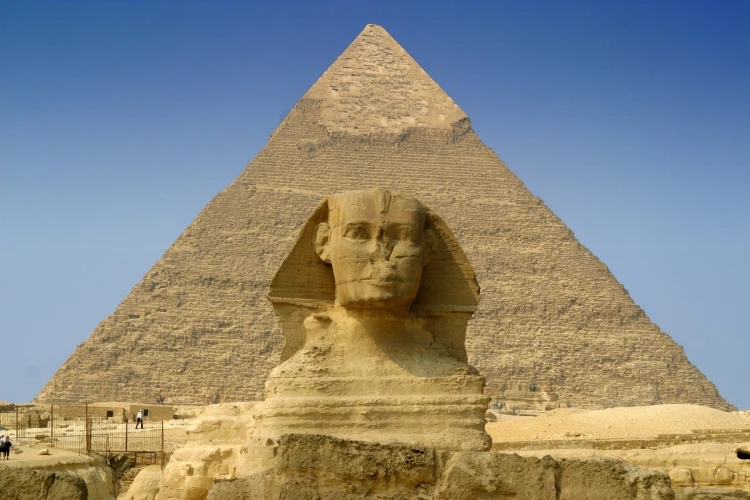
How to Get the Best Photos of the Pyramids Without the Crowds
The Giza Plateau is perhaps the most photographed square mile on the planet. By the time you arrive in the 2026/2027 season, billions of images of these limestone giants already exist. But here is the secret: most of those photos look exactly the same—crowded, hazy, and rushed.
If you want to capture the Pyramids in a way that feels like you’ve stepped back into the 19th century, you have to play a game of timing, geography, and patience. In 2026, with the Grand Egyptian Museum (GEM) in full swing and tourism at an all-time high, getting a "clean" shot requires a more human, tactical approach.
1. The "First Light" Strategy
The single most effective way to avoid crowds is to be at the gate before it even opens. In 2026, the official opening time is typically 7:00 AM or 8:00 AM, depending on the month.
-
The Moment: Arrive 30 minutes early. By being the first person through the ticket barrier, you have about a 20-minute window where the plateau is virtually empty.
-
The Shot: Head straight to the Great Pyramid of Khufu. While everyone else is still paying for their camel rides, you can get a wide-angle shot from the base looking up. Without the hundreds of tourists in neon shirts, the scale of the blocks becomes the hero of the photo.
-
The Human Touch: There is a specific silence on the plateau at 7:05 AM. The sand hasn't been disturbed by the day's footsteps yet, and the air is still crisp. That stillness translates into your photos.
2. The "Back-Door" Entrance: The Panorama Point
Most people follow the main road from the Great Pyramid to the Sphinx. If you want the "National Geographic" shot without the tour buses, you need to head to the Panorama Point (locally called 'The Dunes').
-
The Logistics: In 2026, you can take an electric bus (part of the new sustainable initiative) to the high plateau. However, for the best photos, I recommend hiring a horse or camel from the Nazlet el-Samman village area.
-
The Secret Spot: Ask your guide to take you further out into the desert, beyond the official paved panoramic lookout. There is a specific ridge about a 15-minute ride into the sand where all six pyramids (the three main ones and the queens' pyramids) align perfectly.
-
The Result: From this distance, the modern city of Giza disappears behind the dunes, and you are left with nothing but ancient stone and rolling sand.
3. The 9 Pyramids Lounge: Luxury and Perspective
If you prefer to take your photos with a cold hibiscus tea in hand, the 9 Pyramids Lounge is the 2026 "it" spot.
-
The Shot: The lounge is located on the far edge of the plateau, offering a direct, unobstructed view of all nine pyramids. Because it requires a reservation, the number of people in your "frame" is strictly controlled.
-
The 2026 Pro-Tip: Book a table for 3:30 PM. This allows you to catch the "Golden Hour" when the limestone turns a deep, honey-orange. The shadows of the pyramids stretch out across the sand, creating a sense of depth that midday light flattens.
4. Photography Etiquette & Gear in 2026
| The Challenge | The 2026 Reality | The Solution |
| Drones | Strictly Prohibited. | Don't even try; security is very tight in 2026. |
| Tripods | Often require a "Pro Permit." | Use a "gorillapod" or just steady your hands. |
| Haze/Dust | Common in the afternoon. | Shoot in the early morning for the clearest air. |
| The "Candid" Shot | Avoid the "posed" camel shot. | Ask your camel driver to walk naturally into the frame. |
5. The "Reverse" Perspective: The GEM View
One of the best "crowd-free" photos of the Pyramids doesn't actually happen on the plateau. It happens from the Grand Egyptian Museum (GEM).
-
The Shot: The GEM was designed with a massive "Pyramid View" window. In 2026, the museum's gardens and outdoor terraces offer a framed perspective of the Giza Plateau that feels incredibly modern.
-
Why it Works: You are miles away from the vendors and the dust. You get the Pyramids as a background to the stunning, futuristic architecture of the museum. It tells a story of "Old Egypt" and "New Egypt" in a single frame.
6. The Sunset "Silhouettes" at the Sphinx
While everyone is crowding around the Sphinx’s face, walk about 100 meters to the side, toward the Valley Temple.
-
The Moment: As the sun sets, don't try to get a detailed shot of the Sphinx’s features. Instead, go for a silhouette.
-
The Technique: Position yourself so the Sun sets directly behind the Great Pyramid or the Sphinx. This turns the monuments into black cut-outs against a purple and orange sky. It hides the scaffolding (there is almost always some restoration work happening) and removes the "visual noise" of the crowds.
7. The Human Connection: Work with the Locals
The "secret weapon" for any photographer in Giza is the relationship with the local guardians and camel drivers.
-
Don't be a Ghost: Don't just point and shoot. Spend five minutes talking to your guide or the person holding the camel's reins. When you treat people as humans rather than "props," they will often point out "secret" angles they’ve seen over twenty years of working the sands.
-
The "Nostalgia" Shot: Ask them where the best "puddle" is. Occasionally, after a rare rain or near a leaky pipe, you can find a small reflection pool. Getting a shot of the Pyramid reflected in a tiny patch of water is the ultimate 2026 "insider" photo.
Summary Checklist for the Perfect Shot
-
Arrive at 7:00 AM. (Be the first through the gate).
-
Use a Polarizing Filter. (It cuts through the Giza haze and makes the sky "pop").
-
Hire a Horse/Camel. (To get deep into the dunes away from the buses).
-
Reserve the 9 Pyramids Lounge. (For the "all-nine-in-one" shot).
-
Look for Framing. (Use an archway, a palm tree, or a camel's legs to frame the monument).
The Final Verdict: Why It Matters
In a world of AI-generated images and filtered social media, a "human" photo of the Pyramids is one that captures a feeling, not just a shape. It’s the photo where you can almost feel the heat of the stone and the grit of the sand. By avoiding the midday rush and seeking out the quieter corners of the plateau, you aren't just getting a better picture—you're actually having a better experience.
The best photo you take at the Pyramids will likely be the one where you finally put the camera down, realize you are standing in front of the last remaining Wonder of the Ancient World, and simply breathe.





-webp.webp "Hilton")
-webp.webp "dusit")
-webp.webp "Marriott Hotels")
-webp.webp "Azimut Hotel")
-webp.webp "Golden Tulip")
-webp.webp "sheraton")
-webp.webp "westin hotel")
-webp.webp "Movenpick")
