 EN
 IT
 ES
 FR
 ZH
How Ancient Egyptian Religion Changed Over 3,000 Years
While ancient Egypt is well known for being a very stable civilization, their beliefs, gods and rituals were constantly evolving. The ancient Egyptian religion developed over more than 3,000 years (from the first Pharaohs appearing around 3100 BCE to the final pagan temples being shut in the 6th Century CE).
Understanding how the religion evolved through the main periods of history will help you understand different styles of art, architecture and beliefs.
1. Old Kingdom – Pyramid Worship & Sun God (2686-2181 BCE)
In the Old Kingdom (the age of the pyramids), the belief of the Egyptian State was almost exclusively centred around the power of the Pharaoh and the sun god Ra.
Exclusive Pharaoh Afterlife: During this early period, eternal life among the stars was thought to be solely for the Pharaoh. Important officials and nobles built tombs close to the Pharaoh's pyramid to ensure they would have a place in the afterlife.
Sun God Ra Becomes Influential: The priest of Ra in Heliopolis became extremely influential. Kings of the 4th and 5th Dynasties wore the royal title ‘Son of Ra’ and built huge open air temples to the sun.
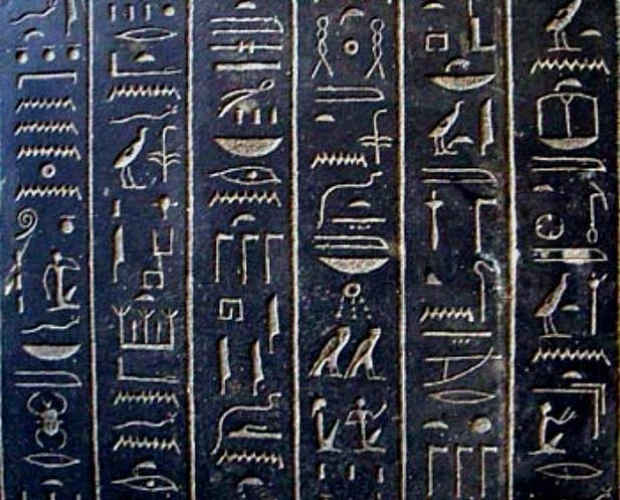
Pyramid Texts: Towards the end of the 5th Dynasty, priests began etching sacred texts, hymns and astrological symbols into the burial chamber walls of the Pharaohs pyramid in Saqqara. These are the oldest religious texts ever written and have been called the Pyramid Texts. They were used to ensure the Pharaoh could pass safely into the heavens.
2. Middle Kingdom – Everyone Can Be Immortal (2055-1650 BCE)
After the First Intermediate Period of political and social chaos, there was a massive shift in belief. Now everyone could enjoy eternal life.
Everyone Can Have Funerary Rituals: The noble classes, provincial Governors, merchants and wealthy citizens claimed to have the same funerary spells and rituals that would have been reserved for kings. This is known as the democratisation of the afterlife.
Coffin Texts: Instead of etching sacred writings into the tombs of Pharaohs, artists painted sacred texts and maps of the underworld directly onto the coffins of regular officials and families. Anyone who could afford a coffin would now have guidance in their afterlife.
Osiris Becomes Universal: Osiris became the universal Lord of the Underlife and promised to resurrect all good souls. Tens of thousands of Egyptians travelled to the holy centre of Osiris’ cult in Abydos to build small stelae to ensure their spirit could join him in his yearly celebrations.
3. New Kingdom – Empire & Amun-Ra (1550-1069 BCE)
As Egypt became a powerful international empire (from Nubia to the Levant), the state religion became larger, richer and more complex.
Amun-Ra Becomes Supreme: The local God of Thebes (modern Luxor) was merged with the sun god Ra to create Amun-Ra – King of the Gods. The military claimed to have won battles due to Amun-Ra and Pharaohs spent huge amounts of tribute increasing the size of the giant temples.
Book of the Dead: Funerary spells had developed into illustrated scrolls and were placed in tombs along with mummies. They contained the famous weighing of the heart scene to ensure everyone was responsible for their own actions.
Personal Devotion: While there were extravagant state festivals, regular Egyptians felt a personal connection to their faith and left beautiful stelae with heartfelt messages asking for forgiveness.
4. Amarna Period – Akhenaten’s Attempts at Monotheism (1353-1336 BCE)
One of the most dramatic changes in ancient history happened in the Eighteenth Dynasty when Pharaoh Amenhotep IV decided to change his name to Akhenaten and break away from centuries of Polytheism.
Aten Worship: Akhenaten worshipped only one god – the Aten. The Aten was depicted as a sun disk with rays reaching out with tiny hands at the end.
Temples Closed: Akhenaten shut down the temples of Amun-Ra. He also dissolved the powerful priesthoods and removed all plural mentions of gods from monuments. The capital was moved to a new city built in the desert called Akhetaten (modern Tell el-Amarna).
Quick Reversal: The changes Akhenaten made caused a loss of much loved home gods and the comforting afterlife visions people had. The changes did not take off with the people. Shortly after his death his young son Tutankhamun reversed the changes and brought back the traditional gods. He also opened up Karnak.
5. Late Period – Animal Worship & Tradition (664-332 BCE)
During the first Millennium BCE Egypt suffered many invasions from Assyria and Persia. The religion focused on keeping traditions from ancient Egypt alive, with many people becoming fanatically devoted.
Animal Worship Became Popular: Millions of people travelled to visit the huge temples and catacombs (such as the Serapeum in Saqqara) to leave mummified animals including Ibis, Falcons, Cats, Bulls and Crocodiles as living offerings.
Tradition Was Kept Alive: Many priests and artists intentionally created texts, titles and temples similar to those from the Old and Middle Kingdoms to protect Egypt’s religion.
6. Greco-Roman Period (332 BCE – 6th Century CE)
When Alexander the Great invaded Egypt in 332 BCE, followed by the Ptolemaic Dynasty and eventually the Roman Empire, foreign rulers respected and adapted the religion to help them gain legitimacy.
Ptolemies Built Temples: The Greek speaking Ptolemies invested in building some of the best preserved monuments in Egypt. They include temples such as Edfu, Dendera, Kom Ombo and Philae. They depicted themselves wearing traditional Pharaonic robes offering to the Egyptian Gods.
New Hybrid Gods & Goddesses: New hybrid Gods were created. Most famous was Serapis – a combination of Osiris, the Apis bull and Greek gods. The worship of Isis became popular all around the Mediterranean, including Greece, Rome and Britain.
Christianity Spreads: Christianity spread rapidly around Egypt during the 3rd and 4th Century CE. The ancient temples began to close. However, the Temple of Isis in Philae was the last remaining temple of the ancient Egyptian religion until it was officially closed by Emperor Justinian in the 6th Century CE.
7. Helpful Tips
Compare Old & New Kingdom Tombs: Visit the Tomb of Unas in Saqqara to see the earliest Pyramid Texts. Then visit the Valley of the Kings in Luxor to see how they evolved into colourful illustrated books.
Look for Amarna Style: In the Egyptian Museum in Cairo or Grand Egyptian Museum look for the unique Amarna style artwork. The faces are long with realistic depictions of families. The Aten sun disk is shown shining down onto the royal family.
Look at the Accuracy of Edfu & Dendera: Notice how the later temples of the Greco-Romans have whole libraries of stone detailing ancient rituals, astrological ceiling and celebration calendars.
8. Why It Adds Depth To Your Knowledge
By seeing how the ancient Egyptian religion evolved over 3,000 years you can see how vibrant the culture was. You can see clear signs of religion in every period. From the royal pyramids of Giza to the personal devotion of the New Kingdom artists and extravagant temples of the Ptolemies in Upper Egypt.