
 English
 Italy
Italy
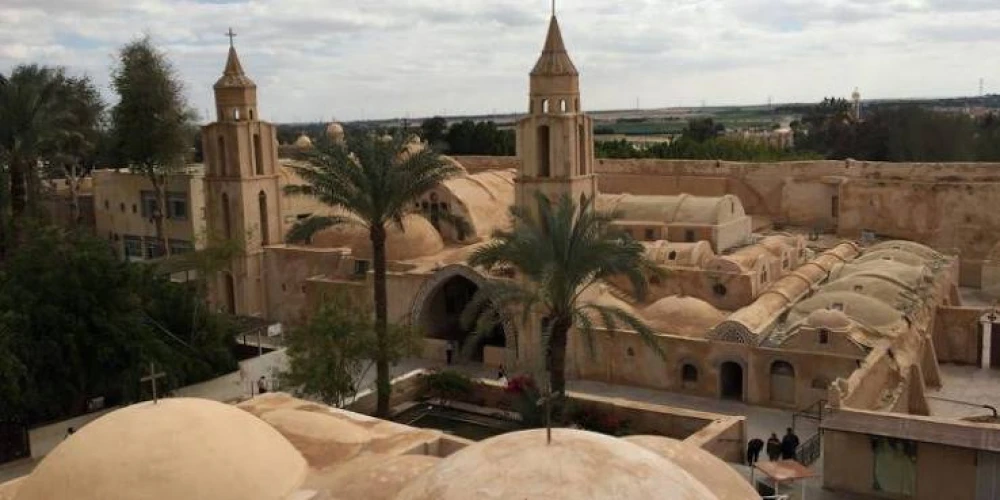
Holy Family Tour from Cairo: Suggested Itinerary
The Holy Family’s flight into Egypt is one of the most spiritually inspiring, historic, and culturally rich ancient-world narratives. According to the Gospel of Matthew, Mary and Joseph with the infant Jesus escaped the furious King Herod and traveled through desert boundaries to the fertile Nile Valley and the ancient city of Cairo. The journey of more than 3,500 km included coastal entries, the fertile Nile Delta, the ancient city of Old Cairo, and the rugged cliffs of Upper Egypt.
For contemporary explorers, history buffs, and international visitors to this North African country, the capital city of Cairo offers a unique opportunity to experience this 25-site trail. Whether you have only one day or a week, a local tour of the Holy Family from Cairo will help you connect with the early biblical past, ancient Coptic Christianity, and Egypt’s rich cultural heritage. Below are some key considerations for your Cairo-based pilgrimage.
1. Your Core Principles for Planning a Cairo-Based Pilgrimage
Remember these practical tips while designing your Cairo Holy Family tour:
Geographic Hub Idea: With Cairo being between the northern Nile Delta sites, the western Wadi El-Natrun desert, and the southern Upper Egypt region, it is the central base for single-day and multi-day excursions.
The Best Time to Go: Plan your trip from October to April when the temperatures are cool and toasty between 18C-25C, making exploring open-air excavated ruins and climbing limestone steeped crypts comfortable.
Logistics and Private Cars: While there are trains to southern cities, consider hiring a private air-conditioned car with a driver or booking a private tour. Many remote historic monasteries and riverside locations require a private car, including driving through hilly agricultural side roads.
2. Option A: 3-Day Trip – Cairo Highlights Desert & Holy Sites
This 3-day short trip is suitable for a busy schedule as you follow in the footsteps of the Holy Family in and around Greater Cairo. Highlights include:
Day 1 – Old Cairo & Maadi’s Nile Waterfront
Morning: Old Cairo (Babylon Fortress): Start with the Church of St. Sergius and Bacchus (Abu Serga) built over the 4th-century underground crypt where the Holy Family stayed for several weeks. Explore the Hanging Church (Al-Muallaka) and the Church of St. George.
Afternoon: Drive south to Maadi’s Nile Waterfront. Here you will find the Church of the Virgin Mary built over ancient steps leading to a landing where Mary, Joseph, and Jesus took a local sailboat heading south to Upper Egypt. Marvel at the ancient Bible that floated down the River Nile, opened to Isaiah 19:25 – “Blessed be Egypt my people.”
Evening: Return to your hotel in Cairo for dinner.
Day 2 – Tree of Virgin Mary in Matariya + Nile Delta
Morning: Tree of Virgin Mary in Matariya (Cairo Suburbs): Stop by the famous sycamore tree where the family rested under its shade. Explore the balsam spring blessed by Jesus and the in-situ Coptic heritage museum.
Afternoon: Drive north to the green banks of the Nile Delta to Sakha in Kafr El-Sheikh. Stop by the Church of the Virgin Mary to view the relic stone with Jesus’s footprint (Bikha Isous). Also, visit Samannoud to see the stone water trough used by the Virgin Mary.
Evening: Return to Cairo.
Day 3 – Monastic Cradle of Wadi El-Natrun (Scetis)
Full Day: The Western Desert: Take a two-hour drive west of Cairo on the Desert Road to Wadi El-Natrun (Scetis), a blessed desert valley where the Holy Family traveled through. See Deir Anba Bishoy (where St. Bishoy’s uncorrupted body lies) and Deir Al-Suryan (with 8th-century frescoes) – two of the most ancient active monastic sanctuaries in the world.
Evening: Return to Cairo to complete your 3-day short pilgrimage.
3. Option B: 7-Day Grand Trail Tour (Cairo to Upper Egypt)
This 7-day tour takes you further south to the Middle and Upper Egypt regions following in the footsteps of the Holy Family to their southernmost mountain refuge. Highlights include:
Days 1-3: All the sites mentioned in Option A (Day 1, 2, 3)
Day 4 – Cairo to Minya – Gabal El-Teir
Leave early in the morning and drive south towards Minya (about 3.5 hours along the Nile Valley)
See Gabal El-Teir (Mountain of the Birds) in Samalut. Discover the ancient rock-hewn Church of the Virgin Mary built in 328 AD by Empress Helena over the cave where the family took shelter. Marvel at the rock where Jesus stopped a falling boulder with his hand (Kaff El-Adra).
Stay overnight in Minya city overlooking the Nile.
Day 5 – Hermopolis’s Archaeological Ruins and Dayr Al-Garns
See the archaeological ruins of El-Ashmunein (Hermopolis Magna) where giant Pharaonic statues fell over the child’s arrival.
Also, stop by Dayr Al-Garns to see the historic well blessed by Jesus.
Stay overnight in Minya or head towards Assiut.
Day 6 – Assiut – Mount Qosqam (Deir El-Muharraq) & Mount Dronka
Drive to Deir El-Muharraq (Al Muharraq Monastery) at the foothills of Mount Qosqam. This sacred site was the family’s home for 6 months and 10 days – the longest period of their time in Egypt. Explore the 1st-century altar chamber where the Angel of the Lord appeared to Joseph informing him to return to Nazareth after King Herod’s death.
Next, see Mount Dronka, a massive limestone cliffside cave sanctuary where the family took shelter from the Nile floodplains before returning back home.
Stay overnight in Assiut city.
Day 7 – Return Journey to Cairo
You can return either via a scenic morning drive or an express train back to Cairo to complete your 3,500-km trail.
4. Pilgrim Etiquette and Practical Travel Tips
All the sites along the trail of the Holy Family are active places of worship hosting monastic orders. Some visitor guidelines to remember:
Dress Code: It is advisable to wear modest clothing, including covered shoulders and knees, especially when visiting ancient crypts, chapels, and monastic areas.
Footwear: Remember to put on comfortable walking shoes as you may need to navigate uneven ancient stones, crypt underground staircases, and rough historic latticework.
Respect Sanctuaries: Maintain a hushed voice when in crypts and chapels, and always remove hats indoors. Seek permission before taking pictures of monks, nuns, and local residents.





-webp.webp "Hilton")
-webp.webp "dusit")
-webp.webp "Marriott Hotels")
-webp.webp "Azimut Hotel")
-webp.webp "Golden Tulip")
-webp.webp "sheraton")
-webp.webp "westin hotel")
-webp.webp "Movenpick")