
 English
 Italy
Italy
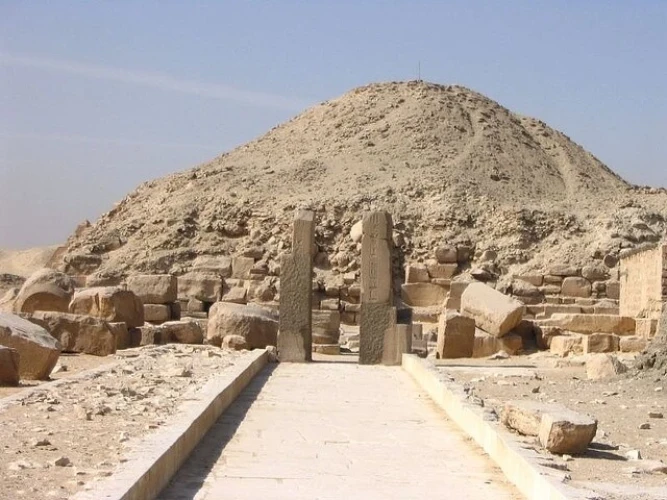
Hep Sed Festival: A Cultural Celebration
The hep sed festival functions as the most essential festival of ancient times because it combines multiple active ceremonial elements which require great physical effort to execute.
The Sed festival served as the official name for this Ancient Egyptian royal jubilee which functioned as more than an extravagant royal celebration. The event operated as a demanding endurance challenge which functioned as a sacred religious ceremony that would revitalize the current king. The historical event provides travelers and history enthusiasts with valuable insights into how ancient societies perceived power and the process of aging and their understanding of divine entities.
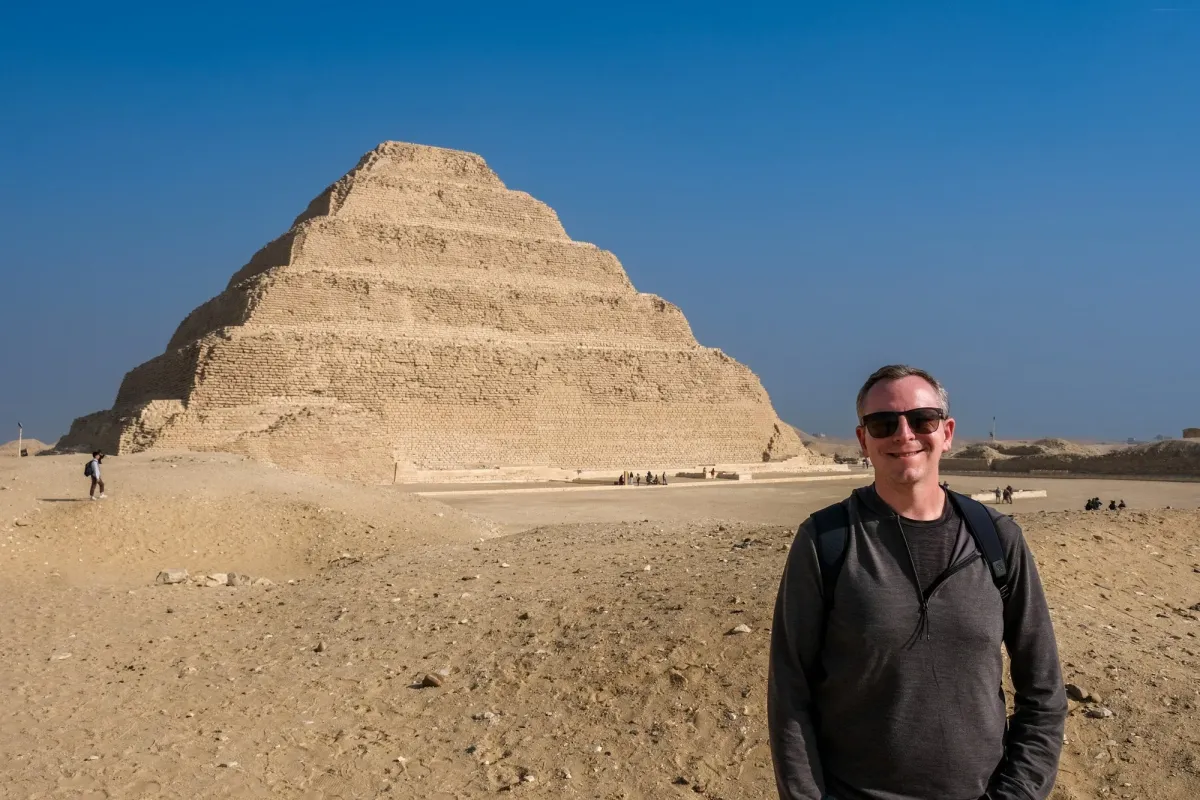
What is the Hep Sed Festival?
The hep sed festival used to begin its celebrations after the pharaoh reached his thirtieth year of rule. But why did pharaohs celebrate jubilees in the first place? In ancient Egypt, the ruler was not just a political figurehead; they were a living god. The pharaoh lost his physical strength because his body experienced natural aging. The royal power decay prevention through the thirty year feast functioned as its main purpose. The system restored the king's physical and magical abilities to govern the country while preserving his connection with divine powers.
A Test of Strength: The Running Ritual
The core component of pharaoh rejuvenation rituals required participants to complete a physical test which represented the king's ceremonial distance running. The pharaoh would wear a short kilt and carry a flail and a document case with Egypt's territorial deeds as he ran through the designated courtyard which had semicircular boundary markers.
The run functioned as more than just a sports exhibition. The run established a magical connection which enabled the runner to claim all of Upper and Lower Egypt as his personal property. The king completed the circuit to demonstrate his enduring physical strength which allowed him to reclaim control over all territories within his realm.
The Spiritual and Cosmic Importance
People need to understand this celebration through its non-political aspects. The renewal of kingship in ancient Egypt was deeply tied to the concept of Ma'at—the ancient Egyptian principle of truth, balance, order, and harmony.
The king held complete authority over all aspects of cosmic order. The gods would stop supporting him if the pharaoh lost his strength which would result in famine and social unrest and the destruction of civilization. The ancient Egyptian rituals for longevity functioned as vital practices that protected the entire universe from destruction. The ruler demonstrated his authority through the successful completion of the festival which showed his status as the direct descendant of the ancient Egyptian gods who acted as their earthly representative.
Rituals, Regalia, and Ceremonies
The two events both display extravagant pageantry but their royal jubilee and coronation ceremony show different artistic characteristics. The coronation ceremony marked the moment when a human prince achieved his status as a godlike king. The Sed festival functioned as both a restoration of authority and a rite that brought back the king's lost powers.
- The ceremonies required multiple days to complete their intricate proceedings which included three main components:
- The pharaoh donned specific ceremonial attire which included a knee-length cloak-like garment and other traditional regalia of the Heb Sed ritual. The pharaohs would display their authority over all territories through their use of both the White Crown of Upper Egypt and the Red Crown of Lower Egypt.
- The Djed Pillar served as a sacred structure which represented Osiris' spine and provided eternal life through his permanent state of existence.
- The king made his way to multiple shrines which contained the gods from different provinces to present offerings that would guarantee their ongoing support and protection.
Architectural Marvels of the Jubilee
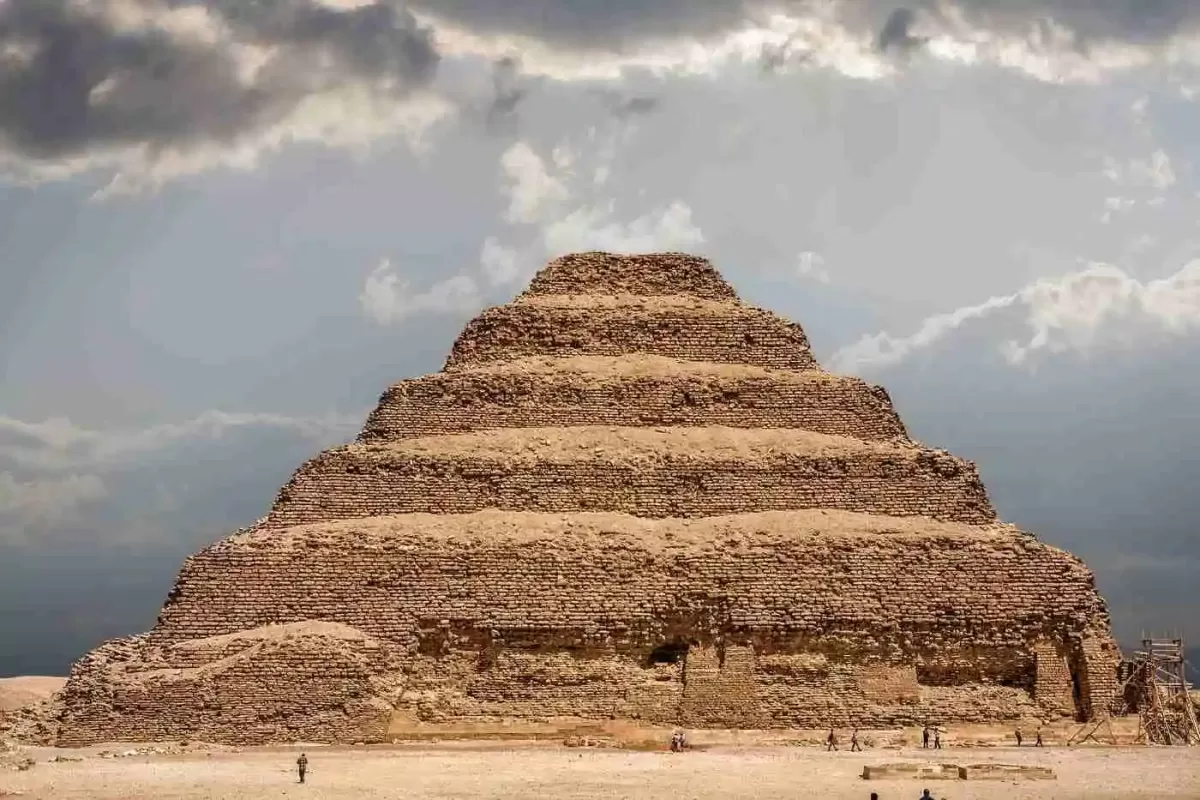
A celebration of this magnitude required a grand stage. The pharaohs constructed massive, specialized courtyards to host the event. The most famous example is found at the Step Pyramid of Djoser.
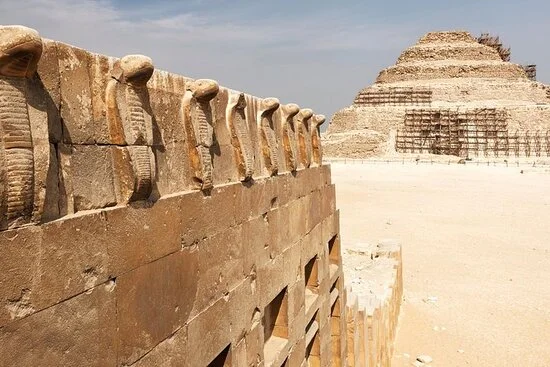
The Saqqara jubilee court architecture is a marvel of the ancient world. Imhotep, Djoser’s brilliant architect, built a permanent, stone version of the temporary pavilions normally used for the festival. The Djoser step pyramid complex contains its most interesting elements through the existence of "dummy" buildings which consist of solid stone structures that have been constructed with doors designed to look open yet block all access to living people. The pharaoh's spirit (Ka) would use these structures to celebrate the festival during his afterlife existence.
Unearthing the Past
How do we possess such extensive knowledge about these historical events? Egyptologists have discovered multiple archaeological sites which contain evidence of royal feasts. The excavations discovered more than 1000 stone vessels which carried royal names and served a purpose specifically for celebration banquets. The Karnak and Soleb temple walls showcase their elaborate carvings which depict all the steps of their ceremonial practices.
Through these discoveries we can trace the development of ancient Egyptian pharaohs' jubilee customs. The original rules required jubilee celebrations to occur only after 30 years but subsequent rulers modified this requirement. Ramses II hosted 14 jubilee celebrations because he held them more often during his later years. The radical pharaoh Akhenaten established his first jubilee celebration only a few years after he became king by establishing a new method to honor his solar god Aten.
Actionable Tips for Exploring This History Today
You can experience the historical connection of the hep sed festival through this method if you are a history enthusiast or a student or someone who intends to visit Egypt.
-
Visit Saqqara: Walk through the Heb Sed courtyard at the Step Pyramid complex. Stand between the stone markers and imagine the pharaoh performing the running ritual.
-
Explore Karnak Temple: Look for the exquisite reliefs left by Amenhotep III and Ramses II, which vividly depict the jubilee celebrations and the offering rituals.
-
Examine the Artifacts: When visiting the Egyptian Museum in Cairo or the Grand Egyptian Museum, look closely at statues of pharaohs wearing the tight, cross-armed Heb Sed cloak—a direct nod to their rejuvenation.
-
Look for the Hieroglyphs: Keep an eye out for the hieroglyph of the Sed festival: two pavilions placed side by side, representing Upper and Lower Egypt.
Conclusion
The hep sed festival combined three different elements which included political propaganda, religious devotion, and athletic endurance. The ancient world received a powerful demonstration through this event which proved that their leader possessed strength and the gods showed satisfaction and cosmic order remained intact. The magnificent cultural celebration provides us with an exceptional opportunity to understand how pharaohs pursued their goals of achieving everlasting life and maintaining eternal stability and divine power.





-webp.webp "Hilton")
-webp.webp "dusit")
-webp.webp "Marriott Hotels")
-webp.webp "Azimut Hotel")
-webp.webp "Golden Tulip")
-webp.webp "sheraton")
-webp.webp "westin hotel")
-webp.webp "Movenpick")
