 English
 Italy
Italy
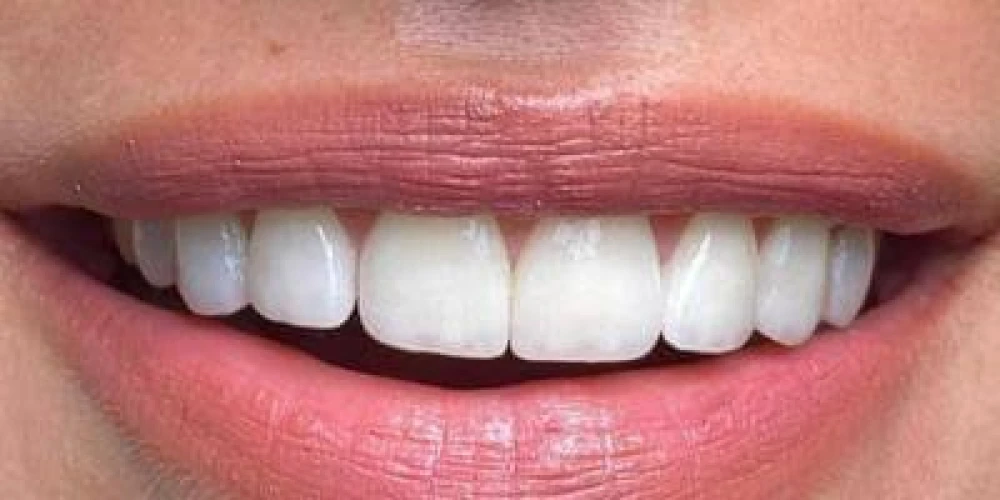
Egypt vs Europe: Why Dental Treatment in Egypt Can Be More Affordable
If you live in the UK, Western Europe, or North America, private dental work can cost a lot. Many key treatments, like implants, crowns, and root canals, often have prices that feel out of reach. Because of this, large numbers of people travel for care each year.
In Europe, dental tourism has been growing steadily. For years, countries such as Hungary, Poland, and Turkey were common choices. Lately, Egypt has moved ahead as a top option for value. People often pay about 60% to 80% less than they would in Europe.
Egypt also aims to keep care at a high level. Clinics there use materials made in Switzerland and Germany. They also use 3D digital tools, similar to what you may see in leading clinics in Western countries. This helps explain why the cost is lower while the standard of treatment is still strong.
Below is a clear outline of what makes dental care in Egypt cheaper than in Europe. The focus is on affordability and on keeping safety and care standards in place.
2. What Actually Lowers Prices in Egypt
Many people who are new to medical travel think cheap care must be worse care. That is not how it works. Egypt can cost less than parts of Europe mainly because of how the market is set up.
A. Running Costs and Space
In big European cities, a private clinic has heavy ongoing bills. Rent is expensive. Taxes can be high. Utilities cost more. Staff wages add up fast. Because of that, clinics often charge more just to stay open. In Egypt, day to day costs for clinics tend to be lower. Less expense also means patients are charged less.
B. Exchange Rates
When you pay from abroad, the currency can make a big difference. If EUR, GBP, or USD convert well into EGP, visitors can stretch their budget further. Treatments that feel costly at home may cost much less after the conversion.
C. Dental Lab Work Done Nearby
Some European practices send crown and veneer work to outside labs. Those third party labs may charge extra for making and shipping the work. Many leading clinics in Cairo and Alexandria manage key steps in their own setup. With in-house tools for digital design and milling, plus modern printing equipment, turnaround time can drop. That can also cut production costs.
D. Liability Insurance and Coverage
Dentists in Western countries often face steep professional liability costs. These fees can raise the final price patients see. In Egypt, malpractice and coverage expenses are usually more manageable. As a result, clinics can keep service costs down.
3. High quality work. Same materials. Same level.
In Egypt, you do not have to settle for weak clinical supplies. Many top dental clinics keep tight rules for quality.
They often use implant systems made by major brands from outside the country. Dentists there commonly place titanium implants from well known makers such as Straumann, Dentsply Sirona, and MegaGen. These products usually include official serial cards and global warranty coverage.
For veneers and crowns, clinics commonly choose real European ceramics. You may see Ivoclar E max lithium disilicate used for aesthetics. For strength and fit, monolithic zirconia is also used.
For planning and precision, modern centers rely on digital tools. They may use 3D CBCT scans, guided surgery planning software, and intraoral scanners. Some also use Digital Smile Design (DSD) to map the result before treatment.





-webp.webp "Hilton")
-webp.webp "dusit")
-webp.webp "Marriott Hotels")
-webp.webp "Azimut Hotel")
-webp.webp "Golden Tulip")
-webp.webp "sheraton")
-webp.webp "westin hotel")
-webp.webp "Movenpick")