
 English
 Italy
Italy
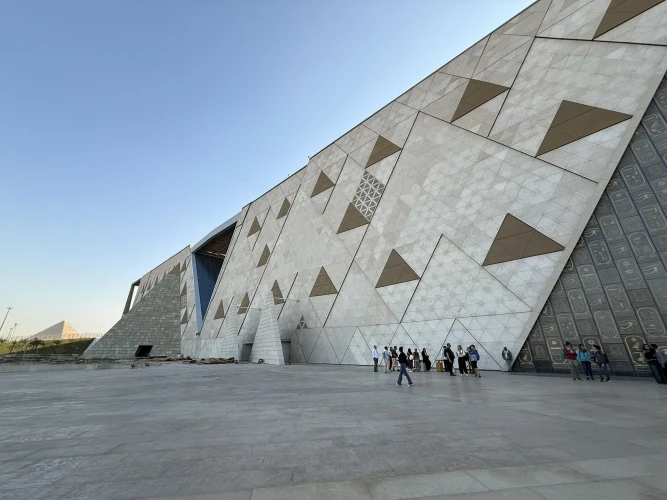
Egypt Travel Tips: Crucial Things to Know Before Your First Trip
What No One Tells You Before Visiting Egypt: The Raw, Honest Truth
The brochures and social media feeds all show this exact same dreamscape, like kind of repeating on loop: one lone traveler in pristine linen, just standing there gazing up at the Sphinx in calm, meditative silence…or else sipping mint tea on some completely empty Nile cruise deck at sunset, like it is all scripted.
Now yeah, Egypt is undeniably spectacular and it absolutely should land on your travel bucket list, but the thing is the actual experience here is insanely intense, deeply chaotic, and honestly pretty physically demanding too. If you arrive thinking it’s going to be a passive, laid-back beach vacation, then the sensory shockwave of Cairo can hit you so hard you barely get your bearings.
To make it easier for you to shift from a naive tourist to a properly braced, stress-free traveler, this guide lays out the crucial, no-spin truths that most travel agencies kinda gloss over. We’re talking the essential rules of the road, those structural payment shifts, and the cultural nuances you really cannot ignore before you even board your flight.
1. The Cashless Monument Shift Is Absolute
If you’re depending on travel blogs written a few years back, you might end up thinking you have to carry a thick stack of Egyptian Pounds (EGP) just to get in. Like, entry tickets for the Giza Pyramids, the Valley of the Kings, or the Egyptian Museum.
But, here’s the New Rule. The Egyptian Ministry of Tourism says it has officially finished a 100% cashless changeover for basically all major historical and archaeological sites.
So yes, you really cannot pay with physical cash to enter the Pyramids. If you don’t have a physical international credit or debit card (Visa and Mastercard are accepted almost everywhere), then you will find yourself stuck at the gate.
Before you fly, confirm your main bank cards are enabled for international use, and also keep a spare card somewhere safe, ideally in your hotel room safe.
2. "La, Shukran" is Your Most Powerful Shield
The sheer scale of tourist hustle (shesh) in Egypt can be a bit exhausting, especially around the Giza Plateau, the Luxor East Bank, and the Khan el-Khalili bazaar. From the moment you step out of your vehicle, you get approached, by unbelievably persistent carriage drivers, souvenir sellers, and people who insist they are “site guides” , like right away.
Lots of travelers do this common thing, they start with polite, drawn-out chats, trying to be nice and friendly, but the vendors take it as real active interest .
The Pro Move: just learn to say “La , Shukran” (Arabic for “No, thank you”) with calm polite certainty.
Body Language: do quick eye contact , say it firmly, put your right hand over your heart (it’s a traditional gesture, of courteous refusal), and keep walking. Don’t hang around, no pausing , no second thoughts, and don’t feel bad. It’s really just part of the local transactional vibe.
3. The Tipping (Baksheesh) Ecosystem is a Social Contract
While monument entry tickets have gone completely digital, day to day life in Egypt still seems to run on physical cash tipping, a sort of unofficial system called Baksheesh, basically.
Tipping is not treated like a cute optional extra for “wow” service. It’s a deeply embedded social contract, and a real add-on to low baseline pay. So you should expect to tip nearly anyone who so much as interacts with you, even in small ways like:
The airport representative who helps you with your bags.
The restroom attendant who hands you two sheets of toilet paper , (which , yes, always carry your own!).
Your Nile cruise cabin stewards and also the temple drivers.
The Currency Strategy: The moment you land, use a bank ATM to withdraw local Egyptian Pounds, then quickly break the large bills into a chunky stack of smaller 10, 20, and 50 EGP notes. Smaller bills are “absolute gold” in Egypt, and local vendors often don’t have change for big denominations. Keep this tipping money in an easy to reach pocket, separate from your main wallet.
4. Hydration and Health Require Real Strategy
That Egyptian sun is kinda relentless, and the dry desert heat will dehydrate you a lot faster than most people ever really notice.
First and foremost, never under any circumstance drink the tap water in Egypt. Not even for brushing your teeth, use bottled water instead. When you’re eating out, watch out for ice in your drinks, and try to avoid raw, unpeeled fruits and vegetables. These may have been washed in tap water, even if it looks fine.
Also, the physical strain can sneak up on you. Climbing steep wooden ramps inside ancient pyramids, then walking miles across uneven temple stone , will absolutely test your body. So bring solid walking shoes, liquid electrolyte replacement powders, and a dependable broad-spectrum antibiotic that your doctor prescribes back home in case of possible stomach issues.
5. How to Plan and Book Safely
Planning a trip that actually feels connected across Cairo, Luxor, Aswan and the Red Sea is not exactly a small task, so most people tend to lean on local boutique agencies to sort the whole thing out for them, private transfers, domestic flights, and hotel arrangements too.
And when you’re dealing with those bigger, high value bookings, it really helps if your administrative protection is treated as the main issue. So try to confirm that your chosen operator is working through deeply encrypted, bank level payment systems, things like WeTravel or payment gateways supported by Stripe. That way, you’re not just sending money “somewhere”, it’s handled within a controlled setup.
These services lean on certified PCI-DSS Level 1 encryption and they instantly tokenize your card and banking details. In practice, your private financial data stays hidden from the external sales side, and it’s shielded from cybersecurity risks, so you can then handle split payments or later installments from home with a lot more confidence, and less stress about what’s happening in the background.





-webp.webp "Hilton")
-webp.webp "dusit")
-webp.webp "Marriott Hotels")
-webp.webp "Azimut Hotel")
-webp.webp "Golden Tulip")
-webp.webp "sheraton")
-webp.webp "westin hotel")
-webp.webp "Movenpick")
