
 English
 Italy
Italy
-webp.webp)
Egypt Beach Holidays: Everything You Need to Know
Egypt is not the first country most people picture when they think of a beach holiday. The Great Pyramid, the Sphinx, the Valley of the Kings — those images tend to dominate. But the country has two coastlines, a year-round warm climate, some of the world's finest coral reefs, and a beach resort infrastructure that has been welcoming European tourists for decades. It is, in quiet fact, one of the most well-rounded beach destinations on the planet.
This guide covers everything you actually need to know to plan a beach holiday in Egypt — not the glossy brochure version, but the real information that makes a trip work smoothly. Where to go, when to go, what to bring, and what to expect on the ground.
Egypt's coastline stretches for over 2,900 kilometers. The question isn't whether there's a beach for you — it's knowing which one.
Where to Go
Egypt's Beach Destinations Explained
Egypt has two distinct coastal regions: the Red Sea coast on the east, and the Mediterranean coast in the north. For international beach tourists, the Red Sea is almost always the destination of choice — the water is warmer, clearer, and the reef system is extraordinary. The Mediterranean coast, particularly around Alexandria and Marsa Matrouh, is a domestic summer escape that's less developed for international visitors.
On the Red Sea side, the main destinations each have a distinct character. Hurghada is the biggest and most accessible, with the widest range of hotels and the easiest flight connections. Sharm El Sheikh sits at the tip of the Sinai Peninsula and is the diving capital, with the best reef access and the most dramatic natural scenery. Dahab, north of Sharm, is smaller, cheaper, and beloved by divers, freedivers, and independent travelers who prefer character to comfort. Marsa Alam, further south, is quieter and wilder, with outstanding diving and a feel that's genuinely untouched.
Best For Families
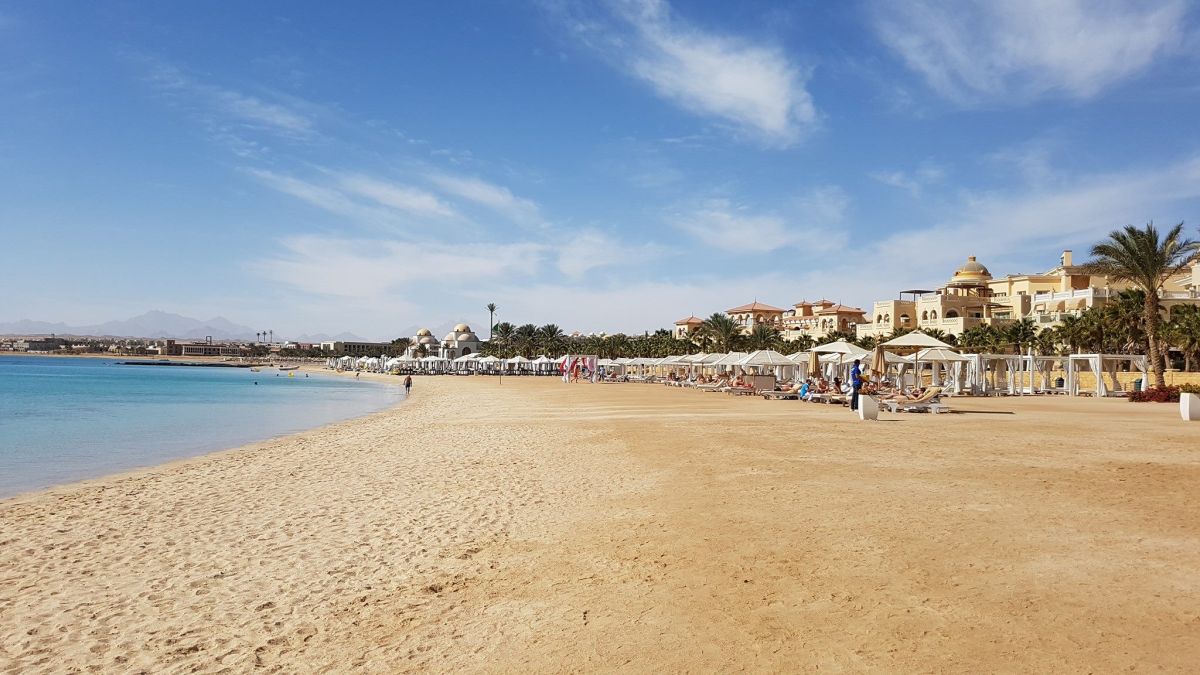
Hurghada & Sahl Hasheesh
Calm, shallow water, well-run resorts, easy access from Cairo. Consistent and uncomplicated.
Best For Diving
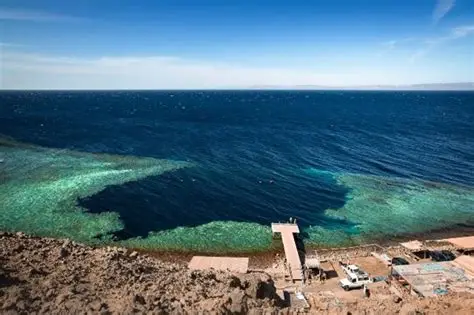
Sharm El Sheikh & Dahab
Ras Mohammed reefs, Blue Hole, Tiran Straits. World-class sites within easy boat distance.
Best For Couples
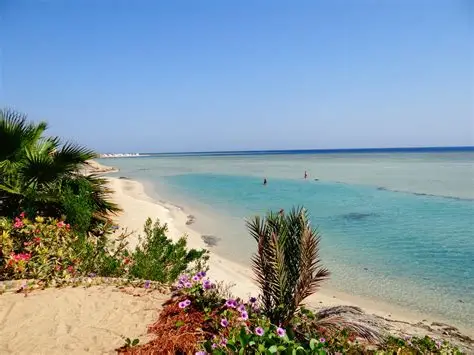
Marsa Alam & El Gouna
Quieter, more intimate. El Gouna is a lagoon city with a yacht-harbor feel; Marsa Alam is remote and wild.
Best On A Budget
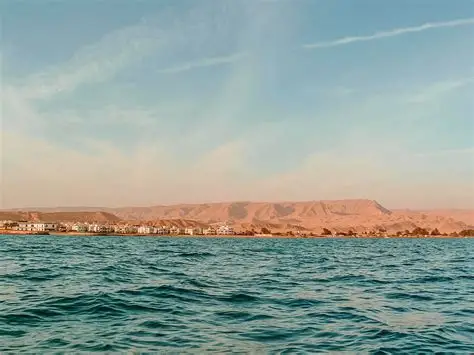
Dahab
Cheap guesthouses, affordable food, some of the best diving in Egypt — and a relaxed atmosphere you won't find at the big resorts.
When to Go
The Honest Month-by-Month Breakdown
Egypt's Red Sea coast has one of the most consistently pleasant climates of any beach destination. It almost never rains. The sea is warm year-round. But there are meaningful differences between seasons that are worth understanding before you book.
Oct — Nov:
The best weeks of the year. Warm water, low winds, exceptional diving visibility. Book accommodation early.
Dec — Jan:
Slightly cooler air but still pleasant. Quieter than summer, good hotel rates, ideal for those who dislike crowds.
Feb — Mar:
Generally fine with occasional afternoon winds. Water temperature drops slightly. Good value for money.
Apr — May:
Warming up fast. April is pleasant; by May the heat is noticeable. Khamsin desert winds can occur in April.
Jun — Aug:
Extreme heat inland and on the beach midday. Diving is still excellent, but outdoor activity is limited. Low prices.
Sep:
Still hot but noticeably cooling by late September. Sea temperature at its warmest. Good deals available.
The sweet spot is October through January. Temperatures are between 22 and 30 degrees Celsius, the sea is warm from the summer heat, the winds are manageable, and the diving visibility is at its annual best. School holidays in November and December bring more visitors, but the resorts absorb the numbers well. Summer — particularly July and August — is genuinely brutal in terms of heat. If you must go in summer, stay near the water and don't underestimate the sun.
What to Expect
The Real Experience, Not the Brochure Version
Egypt's Red Sea resorts are mature, well-organized, and built to handle large numbers of international tourists. Hotels are generally well run. Restaurant food in the main resort areas is decent to good, with a wide range of cuisines available alongside local Egyptian food. English is widely spoken in tourist areas — you will not struggle to communicate in Hurghada or Sharm.
The beach experience itself is excellent. The water is warm, clear, and safe for swimming in all the main resort bays. The reefs accessible from the shore or by short boat trip are genuinely among the world's finest. The main thing that surprises first-time visitors is how desert it all is — the landscape behind the hotels is completely arid, and the transition from resort greenery to bare rock and sand is immediate. That contrast — lush beach infrastructure against stark desert mountains — is actually part of what gives the Red Sea coast its distinctive character.
Cultural note: Egypt is a Muslim country and outside the resort areas, conservative dress is expected and appreciated. Pack a cover-up for walks outside the hotel zone. It's a simple gesture of respect that makes a real difference to how you're received.





-webp.webp "Hilton")
-webp.webp "dusit")
-webp.webp "Marriott Hotels")
-webp.webp "Azimut Hotel")
-webp.webp "Golden Tulip")
-webp.webp "sheraton")
-webp.webp "westin hotel")
-webp.webp "Movenpick")