
 English
 Italy
Italy
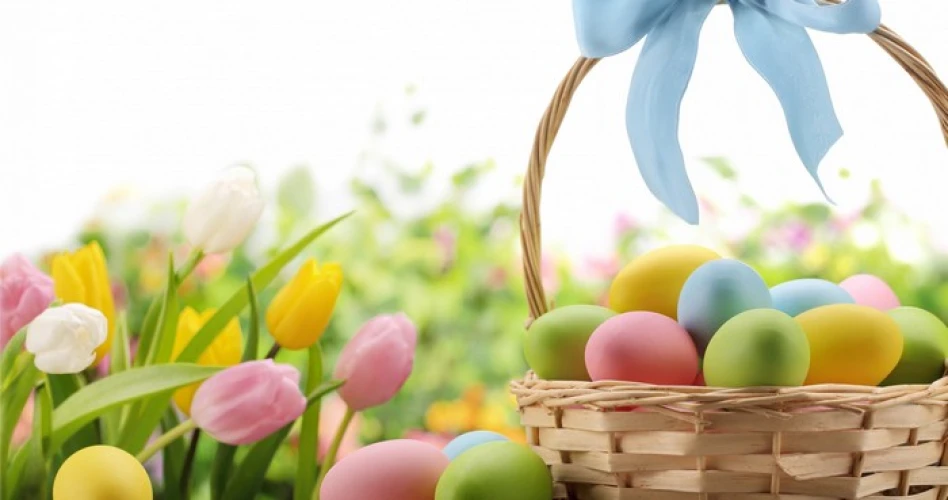
Guide to Easter Celebration in Egypt
Easter in Egypt is more than a religious holiday because it serves as a sacred time, a festive occasion, and an artistic display of Egyptian historical traditions. The Coptic Orthodox Church exists as one of the oldest Christian communities, which can be found in Egypt because the country has a majority Muslim population. The Coptic Christian calendar designates Easter, which people call the Feast of the Resurrection, as its main festival. The special beauty of Egypt exists because its people practice their faith through religious devotion, which combines with the national customs that all citizens share.
Egyptian Churches During Lent and Holy Week
Easter celebrations in Egypt begin long before Easter Sunday. The spiritual journey begins with Great Lent which lasts for 55 days of fasting that Coptic Orthodox Church members observe. During this time, believers abstain from foods that include meat and poultry and dairy products and all animal-derived items. People dedicate their time to prayer, and they seek to turn away from their sins and they spend time thinking about their lives and they visit church services at regular intervals.
Churches become especially active during Holy Week, which is the last week before Easter. Each day holds special prayers that commemorate the final days of Jesus Christ’s life. The atmosphere of the place creates a serious and thoughtful mood. Many churches use darker colors in their decorations to represent mourning. The process of spiritual preparation creates a state of anticipation which leads to the upcoming joyful celebration of the Resurrection.
Midnight Easter Vigil Celebrations Across Egypt
The most important moment of Easter in Egypt is the Easter Vigil, held on Saturday night. The worshippers fill churches throughout the country, but the most important service happens at Saint Mark's Coptic Orthodox Cathedral in Abbassia, Cairo. The service usually starts after midnight and continues until after midnight.
The church uses the vigil to shift from its early morning time of darkness into its upcoming time of daylight. The congregation lights candles to replace the previous somber music with happy hymns, which announce Christ's resurrection. The church bells start ringing when the priest announces Christ's resurrection, and people exchange traditional Easter greetings. The transition from sadness to happiness creates an intense emotional experience that remains in memory.
Many families wear new clothes to symbolize renewal and new life. The church creates a strong sense of unity which allows the people to celebrate their sacred moments in a communal way.
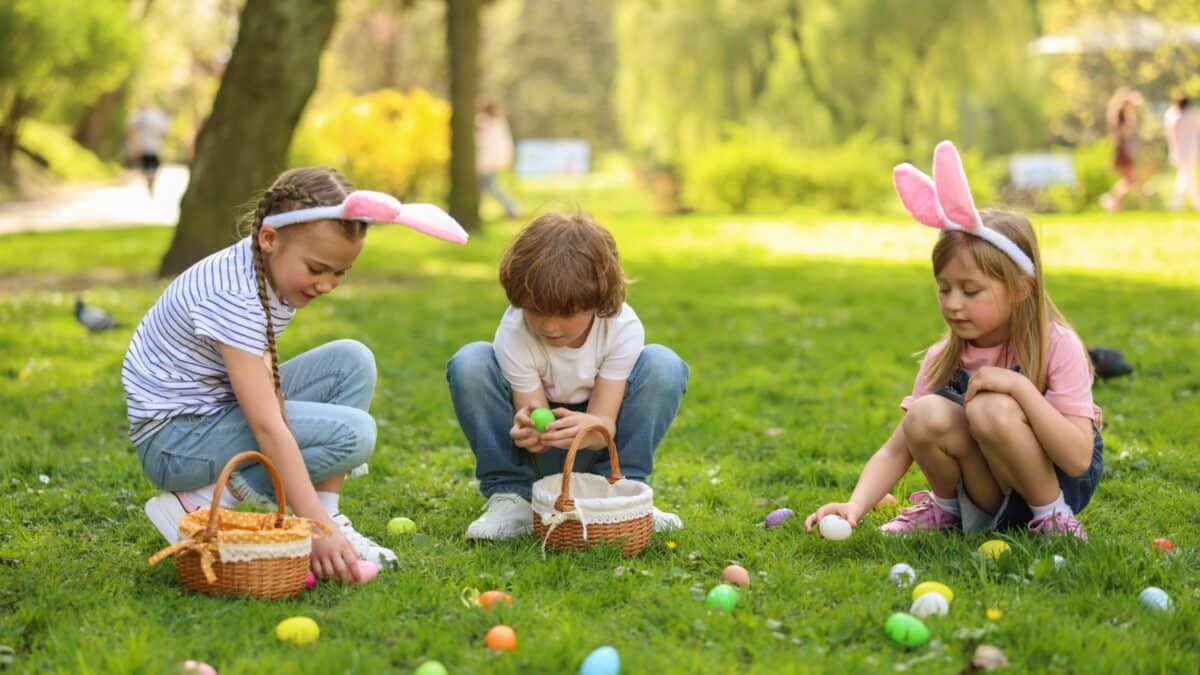
Easter Sunday Meal Traditions in Egypt
The first meal of Easter Sunday begins after all members of the family complete their multiple weeks of fasting. The special breakfast meal for today marks the conclusion of our extended fasting period. The traditional dishes of this meal typically feature meat and rice-based dishes and assorted baked items. Families join together at spacious dining tables to enjoy their meals while sharing joyful moments and showing appreciation for each other.
The day holds special meaning through the practice of visiting relatives. People exchange greetings and sometimes small gifts or sweets. The overall atmosphere is warm and celebratory, emphasizing togetherness and renewal.
Egypt Celebrates Sham El-Nessim with Food and Nature
The Easter celebration in Egypt has its most unique characteristic because it is combined with the national holiday Sham El-Nessim, which occurs after Easter Sunday. The ancient spring festival of Sham El-Nessim has existed since Pharaonic times. The holiday does not have religious significance because all Egyptians from both Muslim and Christian backgrounds, observe it.
On this day, families head outdoors to parks, gardens, and the banks of the Nile. The two main public spaces people use for socializing are Al-Azhar Park, which exists in Cairo, and Montaza Gardens, which exists in Alexandria. People bring traditional foods such as salted fish (feseekh), smoked herring (renga), colored eggs, green onions, and lettuce. The purpose of this event stands as a celebration of life through nature appreciation, which marks the beginning of spring.
Egyptian history is represented through the strong bond that connects Easter to Sham El-Nessim. The holiday season demonstrates its Egyptian identity because it blends ancient traditions with Christian practices.
Easter Egg Coloring Traditions in Egypt
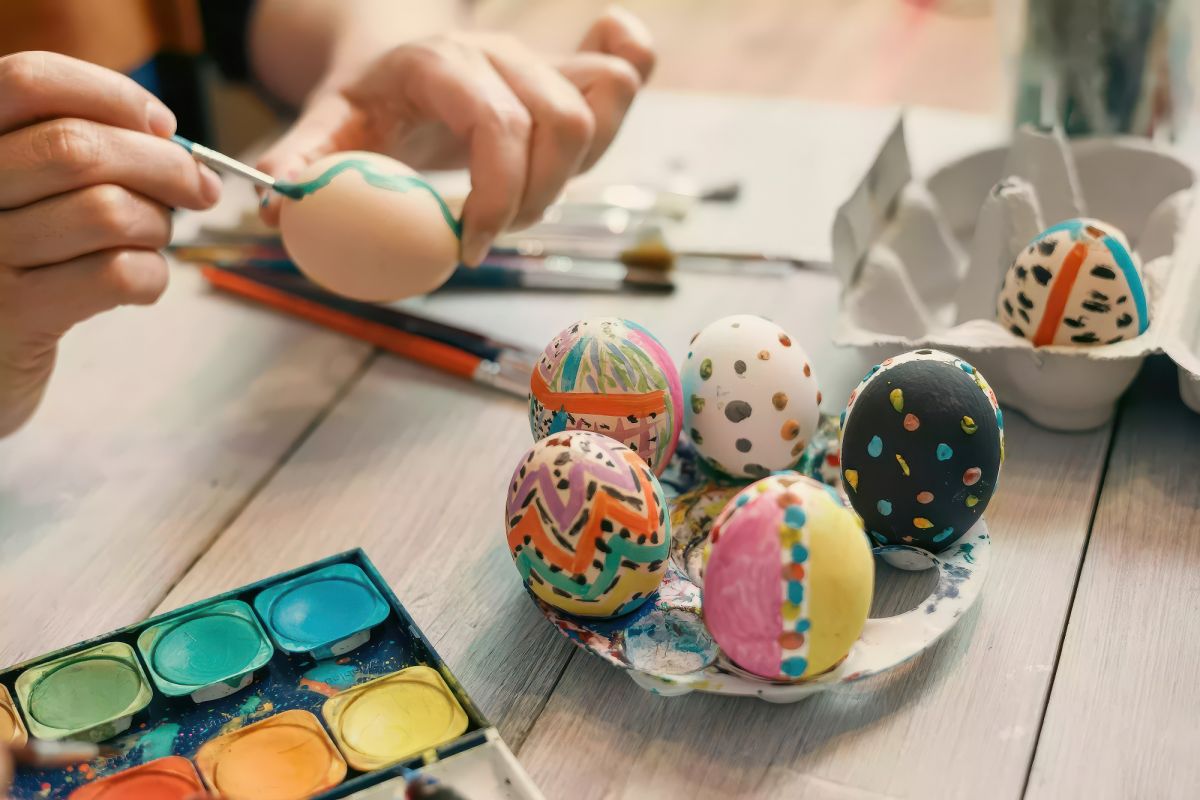
Coloring eggs stands as the most popular Easter activity in Egypt, which children throughout the country enjoy. The egg serves as a representation of fresh beginnings and resurrection from death. Families engage in the tradition of dying eggs by using vibrant colors while they create decorative designs through basic drawings and writing.
Some families use the activity as a competition by smashing eggs against each other to determine which egg will break first. The basic customs of the celebration create enduring experiences for children, which enable them to take part in the festive observance.
Experience Egyptian Easter: Tradition, Faith, and Nature
Easter in Egypt centers on three types of renewal which include spiritual renewal and personal renewal and seasonal renewal. The celebration starts with Lent's introspective and sacrificial practices which culminate in the midnight Resurrection celebration and ends with outdoor festivities that honor life and nature.
Easter celebrations in Egypt provide an authentic experience which people can enjoy through their participation in midnight church services and festive family meals and springtime picnics along the Nile. The tradition displays Egypt's ancient heritage together with its strong family traditions and its exceptional capacity to merge religious beliefs with cultural elements.
Easter in Egypt extends beyond a single day observance. The day progresses through three stages which include reflection and joy and fasting and feasting and winter and the arrival of spring's brightness.





-webp.webp "Hilton")
-webp.webp "dusit")
-webp.webp "Marriott Hotels")
-webp.webp "Azimut Hotel")
-webp.webp "Golden Tulip")
-webp.webp "sheraton")
-webp.webp "westin hotel")
-webp.webp "Movenpick")