
 English
 Italy
Italy
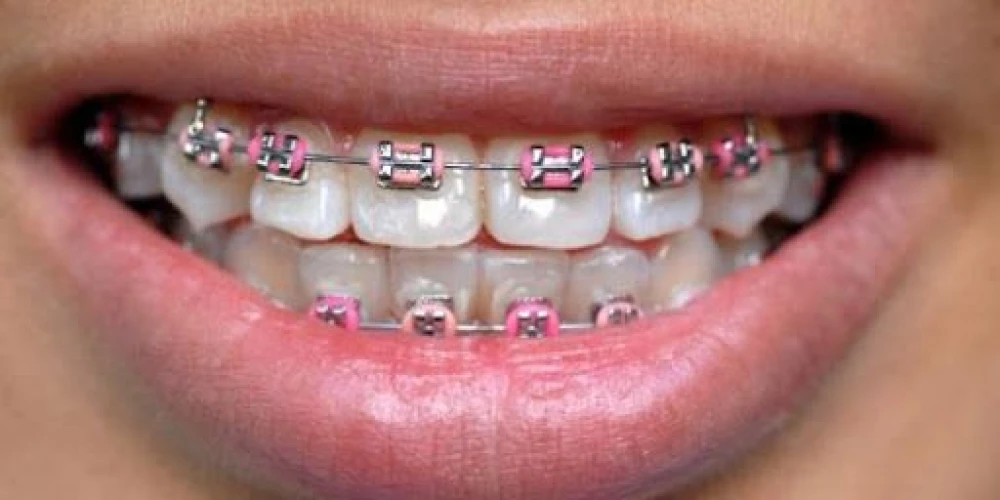
Dental Treatment in Egypt: Quality Care at Affordable Prices
Trying to find trustworthy dental help without overspending can feel tough. In North America, Western Europe, and parts of the Gulf, many people notice the same pattern. Treatments can cost a lot, and appointment times can stretch out. Root canals and full-mouth work are good examples. Because of that, some patients start looking farther than their own neighborhood for care.
In recent years, Egypt has become a well known choice for dental visits. Many clinics there offer modern equipment and trained teams. A lot of dentists communicate well in English. Costs are often far lower than many travelers expect. For both locals and visitors, this mix can make care easier to plan.
This guide explains what dental treatment in Egypt is like. It covers how clinics keep strong quality standards while prices stay reasonable. You will also find the common procedures people choose. Finally, it outlines what the experience can look like from start to finish.
1. Why pick Egypt for dental treatment?
Egypt has a dental industry that people notice for a few clear reasons.
First, the prices often feel much easier to manage. Many patients report cutting costs by about 60% to 80% versus places like the US or Western Europe. They also say the materials and care stay at a solid standard.
Second, the dentists tend to be well trained. Universities like Cairo University and Alexandria University are known in the field. A lot of practitioners go on to finish master’s work, fellowships, and hands on programs. Some also study or train in Germany, the UK, or the United States.
English in medical schools: In Egypt, English is the main language used in medical programs. Doctors and clinical staff use English well. Patients get clear talks, step by step details, and care that feels easier.
Appointments are usually fast: Egypt’s clinics do not work like some public systems in the UK or Canada. Visits are often booked quickly. Because of that, patients can finish their treatment sooner.
2. Technology and Standards in Other Countries
Some people assume that cheap dental care means old machines or weak hygiene. That is not what usually happens. Many private clinics in Cairo, Giza, and Alexandria use modern tools and follow common safety rules.
3D CBCT imaging
Cone beam CT gives detailed 3D views. Dentists can plan implant surgery more clearly. It also helps map root canals and check the jaw shape.
Digital Smile Design, or DSD
This software lets the patient view a digital preview of the planned smile work. The preview is shown before treatment starts.
CAD and CAM labs
With CAD and CAM tools, clinics can make crowns and veneers with tight accuracy. Some zirconia crowns and E-max porcelain veneers are produced in a short time, often in days instead of weeks.
Certified global materials. Some leading clinics use implant systems that are cleared by the FDA. They often choose brands like Straumann and Nobel Biocare. Clinics may also use high end European ceramic resins. The goal is steady, long lasting outcomes.





-webp.webp "Hilton")
-webp.webp "dusit")
-webp.webp "Marriott Hotels")
-webp.webp "Azimut Hotel")
-webp.webp "Golden Tulip")
-webp.webp "sheraton")
-webp.webp "westin hotel")
-webp.webp "Movenpick")