
 English
 Italy
Italy
Dental Crowns in Egypt: Prices, Treatment & Travel Tips
A tooth that is chipped, broken, or badly worn can hurt your mouth health and also make you feel uneasy about smiling. Some people think about pulling the tooth right away, especially when the repair quote looks scary. Still, crowns can be a solid way to keep your real tooth in place for the long run.
In places such as the US, UK, Canada, and Australia, many people pay a lot for crowns. A single porcelain or zirconia crown may run from about $1,000 to $2,000. Because of that, more patients now look at care options outside their home country.
Egypt has become a common choice for restorative dental work. Many clinics there advertise major savings, often around 70% to 80% versus prices in Western countries. You may also find modern CAD and CAM labs, plus dentists who trained abroad. For many visitors, this mix of lower cost and careful work is what draws them in.
What follows is a full look at crowns in Egypt. You will see the common material options, a clear cost outline, the usual clinic process, and practical tips for planning your trip.
What is a dental crown, and when would a dentist use one?
A dental crown, sometimes called a tooth cap, is made to fit over the part of your tooth that shows above the gum line. The goal is to bring back the tooth’s look and function, including its size and strength.
Most of the time, a crown is suggested for these cases.
After root canal work, the tooth can get weaker as time passes. With less inner moisture, it may crack more easily. A crown helps shield it from breaking.
If you have big decay or a filling that is too large for a normal composite, a crown may be needed. It can support what is left of the enamel.
A cracked or chipped tooth often needs a crown. It can hold the tooth together and help you bite without causing more damage.
For cosmetic reasons, crowns can fix teeth that are misshapen, worn down, or stained in a lasting way.
When you get a dental implant, the crown is the part you see. It goes on top of the implant that sits in the bone.
2. Crown Material Options in Egypt
Dental offices in Egypt often use imported, proven materials that are designed to work well with the body. Knowing what you can choose makes it easier to judge fit, feel, and how long the crown may last.
A. One-Piece Zirconia Crowns
Zirconia is a strong, tooth-colored ceramic. It is known for holding up under stress.
Best for: Back teeth. Molars and premolars take lots of chewing pressure.
Why people choose it: It is very hard to chip. It does not use metal, so dark gray tones near the gum are not expected. It is also gentle on oral tissues.
B. E-max (Lithium Disilicate) Crowns
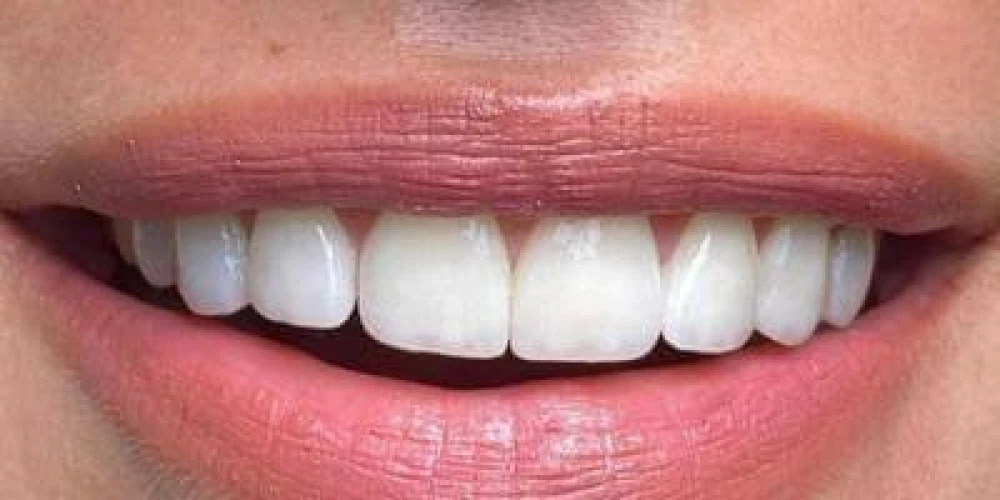
E-max is a glass ceramic. It can mimic the look of real enamel. It also catches light in a natural way.
Best for: Front teeth, where appearance matters most.
Why people choose it: It can blend smoothly with the rest of your teeth and can give very pleasing cosmetic results.
C. Porcelain-Fused-to-Metal (PFM) Crowns
PFM crowns have a metal core. Over that, there is a porcelain cover. The metal helps the crown stay strong.
Best for: People who want a lower cost option and still need a solid crown for back teeth.
Why people choose it: It is usually cheaper. Over time, the metal underlayer may show as a mild dark line close to the gum.





-webp.webp "Hilton")
-webp.webp "dusit")
-webp.webp "Marriott Hotels")
-webp.webp "Azimut Hotel")
-webp.webp "Golden Tulip")
-webp.webp "sheraton")
-webp.webp "westin hotel")
-webp.webp "Movenpick")