
 English
 Italy
Italy
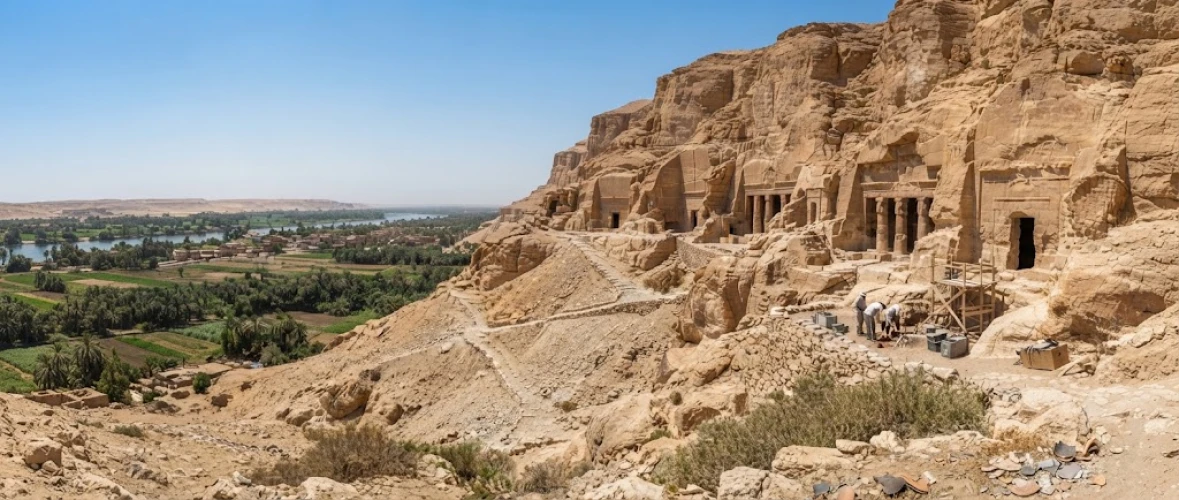
Deir el-Bersha Necropolis: Hidden Tombs of Middle Egypt
The Silent Cliffs of Middle Egypt: Uncovering the Secrets of the Deir el-Bersha Necropolis
When we think about Egypt our minds usually go to the pyramids of Giza. We imagine the Great Pyramids rising up into the sky the serious face of the Sphinx and a long line of tourists heading to the Valley of the Kings.. If you take a train south from Cairo and pass through Minya, which is a loud and busy place and then go into the quiet part of Middle Egypt you start to notice something different.
Hidden away in the cliffs of the eastern desert there is a place that does not really show off its history it just whispers it. It is the Deir el-Bersha Necropolis. The whole place feels less like a typical tourist spot and more like a secret that the desert keeps to itself. The Deir el-Bersha Necropolis is not a graveyard it is like a box that holds the desires loves, sadness and the real life of people from about four thousand years ago. Egypt is a country, with a lot of history and the Deir el-Bersha Necropolis is a part of Egypt that's very special.
A Walk Through Time
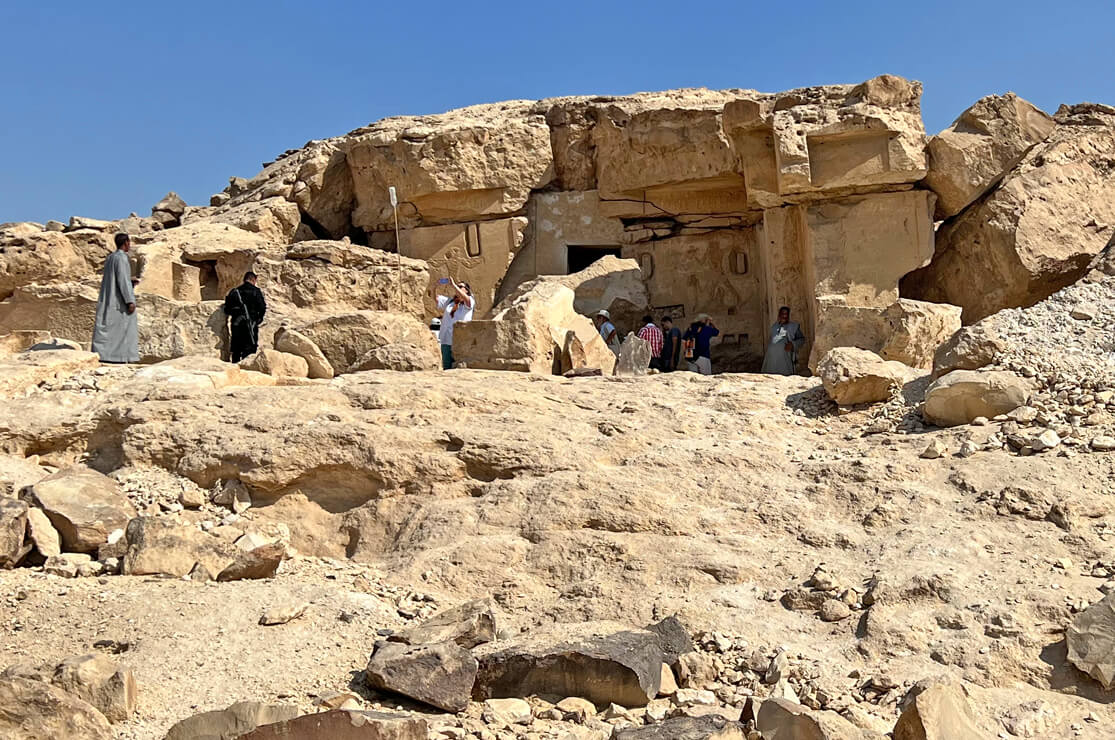
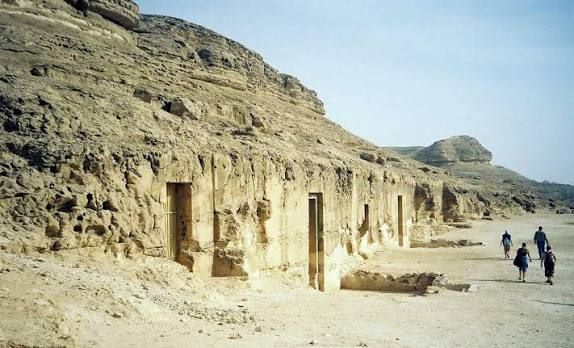
The word "Necropolis" comes from the Greek for "City of the Dead". This word sounds very cold.. When you stand at the foot of these cliffs and look up at the mountain you see many carved doorways. These doorways look out across the valley. The word "Necropolis" does not seem cold anymore.
The people who made these places were not thinking about ghosts. They were people who did not want to be forgotten.
A time ago between 2000 and 1750 BC this place was home to some very important people. These people were called nomarchs. They were like leaders. They were not pharaohs. The nomarchs lived in the city of Hermopolis. When it was time for them to die they wanted to be remembered. So they carved their stories into the mountain.
When you walk through this "Necropolis" today it feels like you are walking through a place. This place is like a gallery. It is not like a museum. You are not just looking at things behind glass. You are, in the space where people lived over three thousand years ago. These people were getting ready to go to the afterlife. They were thinking about what would happen to their soul. The "Necropolis" is a special place. You can still see the carved doorways and the stories of the nomarchs. The "Necropolis" is a reminder of the people who lived a time ago.
The Man Who Moved Mountains
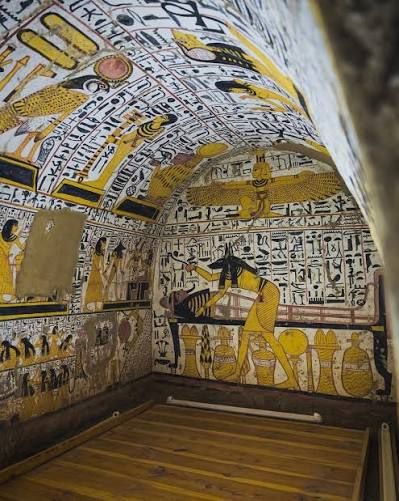
If you visit the Deir el-Bersha necropolis for one reason make it the tomb of Djehutihotep. He was a nomarch, a person with a lot of power. Now he is mostly remembered for one strange engineering thing that makes our modern construction jobs seem less scary.
Inside his tomb there is a wall painting that managed to survive for a time. The painting shows a huge 60-ton statue of Djehutihotep being pulled on a sledge. The scene looks like everything is under control like they have a plan. There are 172 men pulling ropes and other people are pouring water on the ground to make it slippery. This is a clever idea. Just make the sand slippery and keep moving.
When you are standing in the tomb of Djehutihotep you cannot. Feel a strange kind of connection. You can see the pride, in the painting. The statue of Djehutihotep was not a statue it was something he wanted to leave behind. Djehutihotep wanted people to know that he could do things like move mountains. You can almost hear the workers and the supervisors giving orders. The necropolis does not feel like a place where people are buried it feels like a place where people worked hard sweated and found ways to solve problems. The tomb of Djehutihotep is a place.
The "Hidden" Treasures of Tomb 10A
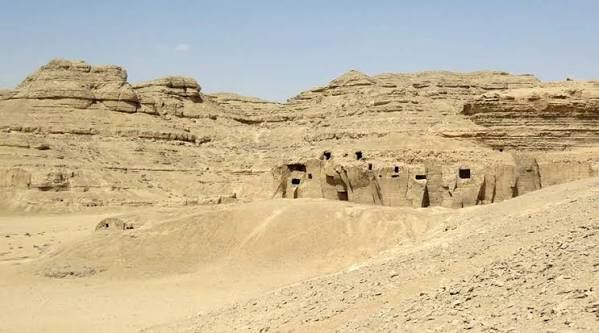
The big tombs are cut into the cliff face. Some of the deepest tombs in the necropolis were not found until the early 20th century.
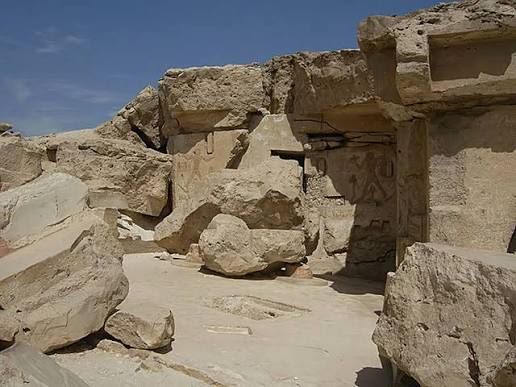
In 1915 an expedition from the Museum of Fine Arts, Boston found something Tomb 10A. This tomb belonged to a governor named Djehutynakht and his wife. It was not like the tombs that you can see, because it was hidden and covered by rocks that had fallen down. People had even forgotten where it was.
When the investigators finally got inside they found a lot of things. This changed how we think about life in the Middle Kingdom. They did not just find gold or jewelry they found models. These models showed what daily life was like: boats on the Nile granaries being filled, kitchens making bread and funerals.
All of this seems normal like it was made by regular people not just for some special ritual. Why would someone put a bakery in a tomb? Because they wanted to remember the smell of bread. Why include a boat? Because the river was very important to them. It was not about showing off the afterlife but about taking the things that made them comfortable at home with them. The Middle Kingdom tombs like Tomb 10A show that people a time ago valued their daily life just like we do even if their world was very different. The things they put in their tombs, like the models are proof of this. The people of the Middle Kingdom they wanted to remember their life just like we do.
The Fragility of Memory
Going to a necropolis like Deir el-Bersha really makes you think about a truth. You see away that history is not very strong it is really fragile. The place has been damaged a lot there have been earthquakes the wind has slowly worn it down. Old stone quarries have also left their marks. A lot of the walls are. Some of the nice paintings or carvings are hidden away for safety.
There is also an happy feeling mixed together. We want to keep every part of Deir el-Bersha. Time and nature do not care about Deir el-Bersha. So that is why archaeologists work hard at Deir el-Bersha using lasers and digital mapping to rebuild the tombs in a virtual space. They are trying to keep the stories of the people who lived at Deir el-Bersha alive the kind of stories that would disappear under the deserts moving sand.
When you look at Deir el-Bersha and think about preserving it you start to see the archaeologists work as a kind of dedication to Deir el-Bersha. In a way they become the protectors of the old people who lived at Deir el-Bersha. They make sure that the man who made the statue and the woman who needed bread every day are not just names or lines, in a history book and then forgotten.





-webp.webp "Hilton")
-webp.webp "dusit")
-webp.webp "Marriott Hotels")
-webp.webp "Azimut Hotel")
-webp.webp "Golden Tulip")
-webp.webp "sheraton")
-webp.webp "westin hotel")
-webp.webp "Movenpick")