
 English
 Italy
Italy
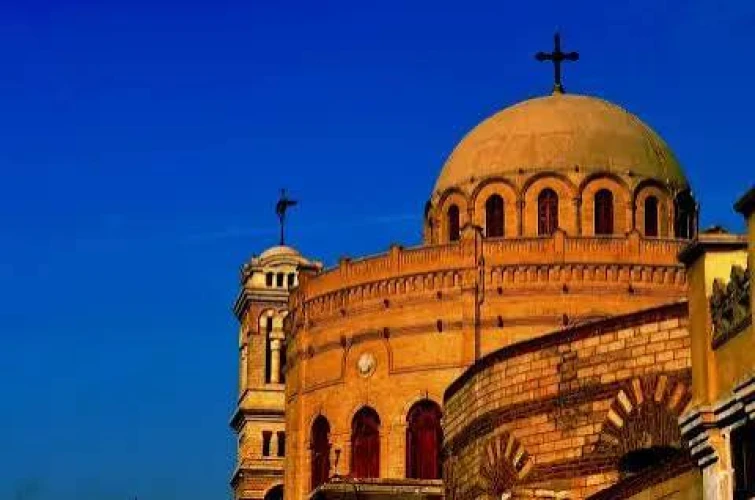
7-Day Holy Family Pilgrimage Tour in Egypt
The journey of the Holy Family into Egypt represents one of the most cherished and solemn events in human history. As recorded in the Gospel of Matthew, Mary, Joseph, and the infant Jesus fled from Bethlehem to seek safe refuge in neighboring Egypt. Traversing the 3500+ km of desert, the fertile Nile Delta, the busy suburbs of Old Cairo, and the towering limestone of Upper Egypt, their passage left an indelible mark on the landscape.
Retracing the 25-site trail of this sacred family pilgrimage provides modern-day explorers and historians an unparalleled opportunity to follow in the footsteps and discover the caves, springs of water, and early Coptic monastic shrines that have survived in remembrance of their journey. Here is a 7-day itinerary for a remarkable pilgrimage in the footsteps of the Holy Family across Egypt.
Day 1: Arrival and Old Cairo Excavations (Babylon Fortress)
Your pilgrimage begins in Greater Cairo, where the Holy Family was able to find temporary shelter among some of the early local residents within the historic Roman Babylon Fortress.
Morning: Ancient Sanctuaries of Greater Cairo
Church of St. Sergius and Bacchus (Abu Serga): Begin your pilgrimage with a visit to this 4th-century church built on top of the underground cavern where the Holy Family had spent several weeks sheltering together. Take time to pray in the serene stone crypt.
The Hanging Church (Al-Muallaka): Explore this impressive 5th-century church that is suspended over the gatekeepers of the Roman fortress. Admire the cedarwood Noah’s Ark-style roof and rare treasures.
Afternoon: The Convent and Monastery of St. George
Monastery and Church of St. George: Visit the famous Greek Orthodox Monastery of St. George, known for its large circular Chapel and medieval tower. Next, visit the nearby Coptic Convent of St. George to uncover unique relics of the early Coptic saints.
Evening: Enjoy a traditional Egyptian dinner and prepare for your journey into the suburbs tomorrow.
Day 2: The Nile Waterfront at Maadi and the Suburbs of Matariya
You will continue tracing the steps of the Holy Family as they traveled along Cairo’s riverfront and the northern agricultural outskirts of the city.
Morning: The Waterfront Church at Maadi
Church of the Virgin Mary in Maadi: Begin your day by taking a short drive south to the banks of the Nile to visit the church built at the spot where the small family boarded a wooden sailboat heading south into Upper Egypt.
The Sacred River Stairs & Floating Bible: Explore the stone steps where the Mother, Child, and St. Joseph climbed onto the river. Inside the sacred shrine, visit the beautiful enclosed glass case that contains the Bible that miraculously floated down the Nile in 1976 and opened at Isaiah 19:25: “Blessed be Egypt my people.”
Afternoon: The Tree of Mary in Matariya
Matariya: Head north to Matariya to visit Shagarat Mariam (The Tree of the Virgin Mary). Beneath the shade of this beloved tree, the Virgin Mary had relaxed with her little child. A miracle of a water spring blessed by Jesus is also found nearby that used to feed the famous balsam plants of the region.
Evening: Overnight stay in Cairo.
Day 3: The Delta Sanctuaries – Sakha and Samannoud
Head north into the lush Nile Delta to visit two of the most important pilgrimage sites of the early miracles and everyday routine of the Holy Family.
Morning: Sakha and the Footprint of Jesus
Church of the Virgin Mary in Sakha: Visit this early 20th-century church built over Bikha Isous (The Footprint of Jesus) to see the preserved relic stone with the footprint of the infant Jesus. This was an ancient artifact that had been hidden for centuries to protect it from destruction.
Afternoon: Samannoud and the Granite Trough
Samannoud: Continue east to the Church of the Virgin Mary and St. Abanoub in Samannoud. Local legends say that the residents offered the Holy Family generous hospitality. Visit this fascinating church to experience the ancient granite water trough where Mary had made her dough and washed her clothes, and the holy well blessed by Jesus.
Evening: Return to Cairo for rest.
Day 4: The Monastic Wilderness of Wadi El-Natrun
Your 4th day is devoted to exploring the western desert valley of Wadi El-Natrun (ancient Scetis) which has been blessed by the Holy Family and became the world cradle of Christian monasticism in the 4th century.
Morning: Deir Anba Bishoy and Deir Al-Suryan
Monastery of St. Bishoy (Deir Anba Bishoy): This active monastery located two hours west of Cairo is famous for its massive 5th-century defensive keep towers (hisn), ancient domed chapels, and the preserved body of St. Bishoy.
Monastery of the Syrians (Deir Al-Suryan): Take a short walk to the neighboring Syrian Monastery, renowned for its 8th-century religious wall frescoes, Syriac manuscripts, and the legendary “Tree of St. Ephrem.”
Afternoon: Deir Al-Baramus and Deir Abu Maqar
Monastery of Al-Baramus: Explore the isolated northernmost monastery of this valley renowned for its tranquil gardens and medieval protective walls.
Evening: Return to Cairo to relax after a very peaceful day in the desert.
Day 5: Journey South to Middle Egypt and Gabal El-Teir
Day 5 takes you south along the Nile Valley into Middle Egypt where the white limestone cliffs meet the green riverbanks.
Morning: Scenic Drive to Minya Governorate
Departure for Minya: Depart early in the morning from Cairo via private transport and drive south to Minya (approx. 3.5 hours) via the Eastern Desert Highway.
Afternoon: Church of the Virgin Mary at Gabal El-Teir
Gabal El-Teir (Mountain of the Birds): Head up the stone steps of the limestone cliff near Samalut to the rock-cut church built by Empress Helena in 328 AD.
The Sacred Rock Cave: Explore the natural rock cave where the family had taken shelter. Next, visit the site of Kaff El-Adra (The Palm of Our Lady) where legend has it that the infant Jesus stretched out his hand to stop an oncoming mountain boulder to avoid smashing their riverboat.
Evening: Check into your hotel in Minya city overlooking the Nile River.
Day 6: Tel El-Amarna and the Great Monastery of Deir El-Muharraq
Continue your journey southern along the valley into Assiut Governorate to visit the most important location of the Holy Family’s exile.
Morning: Ancient Ruins and En Route Exploration
Tel El-Amarna: Take a brief detour to Tel El-Amarna near Amarna to admire the dramatic landscapes where ancient history and the biblical narrative entwine along the banks of the Nile.
Afternoon: Deir El-Muharraq at Mount Qosqam
Deir El-Muharraq (Al-Muharraq Monastery): Drive to El Qusia to visit this famed monastery that once housed the Holy Family in a simple mudbrick room for 6 months and 10 days – their longest period of stay at any one place in Egypt.
The 1st-Century Altar: Visit the ancient Church of the Virgin Mary to stand in wonder at the site where the family made their home and slept. It is here that the Angel of the Lord appeared to Joseph in his dreams and told him that King Herod had died and to take the child and his mother back to the Land of Israel.
Evening: Overnight stay in Assiut city.
Day 7: Mount Dronka, Farewell Blessing, and Return to Cairo
Your final day takes you to the southernmost sanctuary reached by the Holy Family before embarking on their return journey.
Morning: Monastery of the Virgin Mary at Mount Dronka
Mount Dronka: Drive to the massive limestone cliff of Mount Dronka southwest of Assiut to explore the vast natural mountain cavern where the Holy Family had taken shelter from the seasonal Nile floods before setting off on their lengthy journey north back to Nazareth.
Panoramas of Upper Egypt: Enjoy the wonderful panorama views of the Nile Valley from the mountain’s terraces, recalling the 3,500 km journey that the family would have embarked on.
Afternoon & Evening: Return to Cairo
Return Journey: Return to Cairo via express train or private vehicle. Arrive in Cairo in the evening for your farewell dinner, thus ending your memorable 7-day pilgrimage along Egypt’s Holy Family Trail.
Pilgrim Travel Tips
Best Season: Aim to visit between October and April to avoid the heat of summer in Upper Egypt.
Attire: Dress modestly, with shoulders and knees covered, when visiting active monasteries and crypts.
Transport: A private, air-conditioned vehicle with a knowledgeable driver ensures a comfortable journey along the agricultural side roads and desert highways.





-webp.webp "Hilton")
-webp.webp "dusit")
-webp.webp "Marriott Hotels")
-webp.webp "Azimut Hotel")
-webp.webp "Golden Tulip")
-webp.webp "sheraton")
-webp.webp "westin hotel")
-webp.webp "Movenpick")