
 EN
 IT
 ES
 FR
 ZH
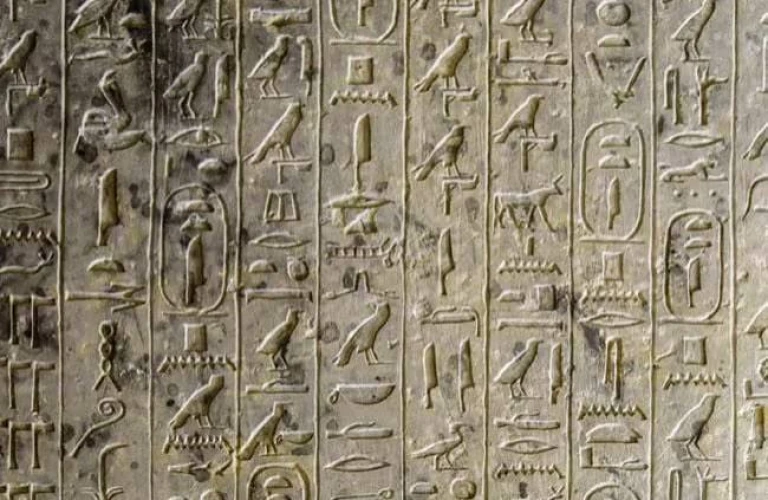
Canopic Jars: The Four Sons of Horus and Their Sacred Role
During the 70 day embalming process in ancient Egypt, the soft organs were carefully removed to prevent the body from decomposing quickly. The organs were cleansed, dried and wrapped and placed into 4 sacred jars known as Canopic Jars. These were protected by the Four Sons of Horus and 4 protective goddesses to ensure the body remained whole and well nourished for eternity in the Field of Reeds.
Learn about the history of Canopic Jars, what protects the organs inside and how they have developed over the years.
1. History of Canopic Jars
The process of preserving the organs started in the Old Kingdom. Linen wrappings were used to wrap the viscera and place into compartmentalised wood or stone jars along with the coffin. As the centuries passed the jars became 4 individual jars made from alabaster, limestone, pottery and faience.
Benefits of Canopic Jars,
Reduce Decomposition – Removing the moist organs helped to completely dehydrate the body using natural natron salt.
Keep Soul Whole – The ancient Egyptians believed that the transformed soul needed its organs to breath, digest offerings and enjoy an eternal life.
Heart – The heart was never removed or placed inside a Canopic Jar. The heart was seen as the home of our intelligence, memory and conscience. It was needed during the Weighing of the Heart.
2. The Four Sons of Horus
During the New Kingdom the lids of the jars became shaped like the heads of the Four Sons of Horus. These were minor protective gods that would stand at the 4 points of the chamber to protect the dead from becoming hungry, thirsty and threatened by the dangers of the underworld.
Each son protected a different organ and matched up with a point of the compass and a major goddess,
Imsety – Human Head – Protected the liver (South), protected by Isis. As the liver was seen as the home of our emotions and vitality, this was the only jar to be purely human.
Hapi – Baboon Head – Protected the lungs (North), protected by Nephthys. Helped the dead to keep their breath of life.
Duamutef – Jackal Head – Protected the stomach (East), protected by Neith. Like Anubis, the jackal protected the stomach from getting hungry.
Qebehsenuef – Falcon Head – Protected the intestines (West), protected by Selket (scorpion goddess). Took the form of a falcon, like his father Horus. Watched over the lower intestines.
3. Canopic Jars Through the Dynasties
As embalming methods evolved through the centuries so did the jars.
Old & Middle Kingdoms – Jars had simple lids that either were flat or dome shaped. Eventually these changed to become human headed stoppers.
New Kingdom – During the golden age of Egypt the famous animal headed lids were created to look like the human, baboon, jackal and falcon heads. They were often placed inside a golden wooden Canopic Shrine.
Third Intermediate Period – Embalmers started to place the desiccated organs back inside the body. However small wax statues of the Four Sons of Horus were placed inside. Solid fake jars were still placed in tombs.
4. Tips For Travellers
Canopic Shrine of Tutankhamun – Look at the beautiful golden canopy and clear calcite (alabaster) jar in the Grand Egyptian Museum. Inside there are 4 tiny gold caskets that contained Tutankhamuns organs.
Identify the 4 heads – If you see 4 jars in a row in the Egyptian Museum Cairo or around the world try to identify the 4 sons by looking at their lids.
Canopic Chest – Look out for carved stone or painted wooden chests. These would be placed near to the sarcophagus at the bottom or east side of the chamber so the guardians faced the rising sun.
5. Complete Protection
Canopic Jars show how much care and attention to detail the ancient Egyptians took to prepare for the afterlife. With each vital organ being looked after by the Four Sons of Horus and 4 powerful goddesses, families were assured their loved one would enter the afterlife whole and safe.