
 English
 Italy
Italy
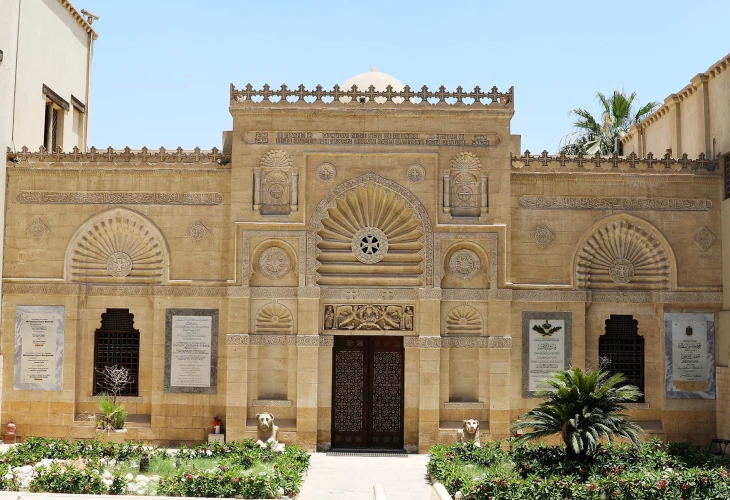
Bridging Empires: The Treasures and Art of Cairo’s Coptic Museum
The Coptic Museum in Cairo: History, Masterpieces & Visitor Guide
Tucked inside the old stone walls of the Roman Babylon Fortress in Old Cairo, there is this little sanctuary of art, history, and culture: The Coptic Museum . And yes , most visitors seem to rush to Cairo for Pharaonic treasures or Islamic monuments, but this calm place sort of slips between those two big eras, like it is quietly connecting the dots.
The Coptic period , which matters a lot in Egyptian history , runs roughly from the 3rd to the 12th century AD. It is a time when old Egyptian traditions mixed with Greco-Roman artistic influences, along with early Christian theology . So, the result feels both familiar and new at once, not just one thing, but a braided story.
The Coptic Museum holds, basically, the largest collection of Coptic Christian artifacts anywhere in the world. So it is an absolute must for history buffs , art admirers, and travelers who want a deeper, more intimate view of Egypt’s rich cultural fabric .
1. The Story Behind the Museum: Founding and Vision
Unlike plenty state institutions that were formed during the colonial era, the Coptic Museum kind of came to life from this intense, persistent drive by an important Egyptian scholar and leader, Marcus Simaika Pasha, back in 1910.
Simaika Pasha realized that those truly invaluable Coptic relics—rare manuscripts, icons, textiles, and woodwork—were basically dispersed across old monasteries or quietly leaving the country and ending up in private international collections. He received the blessing of Coptic Pope Cyril V, and also some real generous donations from the local Egyptian community, then he managed to secure a piece of land right beside the Hanging Church, within the Babylon Fortress walls.
The building itself is honestly a masterpiece. Simaika Pasha mapped the structure out with traditional Coptic along with Islamic architectural ingredients. When you move through the halls, you notice intricately carved wooden ceilings, mashrabiya screens, painted beams that were salvaged from earlier Coptic homes, and quiet marble courtyards with gentle trickling fountains.
2. What Makes Coptic Art So Unique?
Coptic art is kinda fascinating because it kinda works like a visual bridge. Instead of just dropping all the ancient traditions, early Egyptian Christians seemed to reshape things, in a way , where older Pharaonic symbols end up in Christian iconography, you can see it. Not like a total copy, more like a careful change, you know.
The Ankh to the Christian Cross: the old Egyptian Ankh symbol, which stands for eternal life, was sort of adapted into the Christian cross by Coptic artists, it feels almost seamless, but also intentional.
Isis and Horus to the Virgin Mary and Jesus: early images showing the Virgin Mary nursing the infant Jesus borrowed visual ideas from classical portrayals of Isis cradling Horus. You can spot the resemblance in the poses and the overall mood, even when the meaning shifts.
Greco-Roman Realism: Coptic portraiture kept that expressive, wide-eyed realism you see in the well-known Fayum mummy portraits, but the purpose shifts toward spiritual intensity rather than obsessing over exact anatomical perfection.
3. Top Masterpieces and Artifacts You Can't Miss
With over 16,000 objects spread across two big wings, the Historic Wing and the New Wing it can feel a little like walking through a living gallery of early medieval life. Not in a dusty way, more like everything is still, kind of breathing.
The Nag Hammadi Library Manuscripts
Maybe the most talked-about wonder here is the selection from the Nag Hammadi Library Manuscripts. They were found near Upper Egypt in 1945 , and these 4th-century papyrus codices carry early Gnostic Christian texts written in Coptic. Kept in their original leather covers, they’re among the earliest surviving book-form codices, in human history, full stop.
The Gospel of Psalms (The Mudil Psalter)
In the manuscript hall, you’ll notice the David Psalter first. It’s the oldest full Book of Psalms in Coptic, dated to the late 4th century, it was discovered under the head of a young girl who had been buried in an ancient Coptic cemetery.
Intricate Woodwork and Mashrabiya
Coptic craftsmen were famously good at woodworking. The museum has magnificent wooden altar screens, also called iconostasis, plus doors inlaid with ivory and ebony, and even carved ceiling panels that were rescued from churches around Old and Middle Egypt. Honestly it’s a lot to take in, even if you rush.
Historic Textiles and “Coptic Tapestries”
Egypt’s dry climate basically did the preserving for you. In the textile gallery you can see finely woven linen and wool garments, decorated with biblical scenes, geometric patterns, and mythic figures. It really points to the level of weaving skill during late antiquity, like it wasn’t just craft but precision.
Frescoes and Stone Carvings
Down on the ground floor, the museum leans into monuments. There are stone capitals carved with acanthus leaves, limestone reliefs showing saints and angels, and bright wall frescoes that were rescued from ancient monastic cells in Saqqara and Bawit. You end up looking twice, because it feels so vivid.
4. Practical Visitor Information
Visiting the Coptic Museum is pretty straightforward, kind of quiet too, and it’s almost too easy to link it with a longer walking tour around Coptic Cairo, if you want.
1. Get there by Metro: Cairo Metro Line 1.
Take Cairo Metro Line 1 and ride it to Mar Girgis Station. When you arrive, the museum entrance is right outside the station exit, it sits directly adjacent to the Hanging Church, so you don’t really need detours.
2. Opening hours and entrance fees: Tickets & timing.
The museum runs daily from 9:00 AM to 5:00 PM. Regular entry tickets are sold at the main ticket office near the security gate. Usually, card payments (credit or debit) are accepted and work without trouble.
3. How long to stay: Suggested time.
Try planning about 1.5 to 2 hours inside the galleries, so you can really absorb the collections before you start wandering through the nearby churches.





-webp.webp "Hilton")
-webp.webp "dusit")
-webp.webp "Marriott Hotels")
-webp.webp "Azimut Hotel")
-webp.webp "Golden Tulip")
-webp.webp "sheraton")
-webp.webp "westin hotel")
-webp.webp "Movenpick")