 English
 Italy
Italy
Book of the Dead in Ancient Egypt
Book of the Dead in Ancient Egypt
The world exists without sunlight while its rivers flow with fire and enormous snakes protect its main entrances and a creature that combines a crocodile and a lion waits to attack your essence. You face your journey without any navigational tools or defensive equipment while your destination remains completely unknown. The Egyptian people believed that this terrifying obstacle course functioned as the Duat which served as the dangerous underworld that every person had to pass through after becoming a mummy. The Duat required two types of control which included both courage and the specific passwords that needed to be used for traveling through this nightmare.
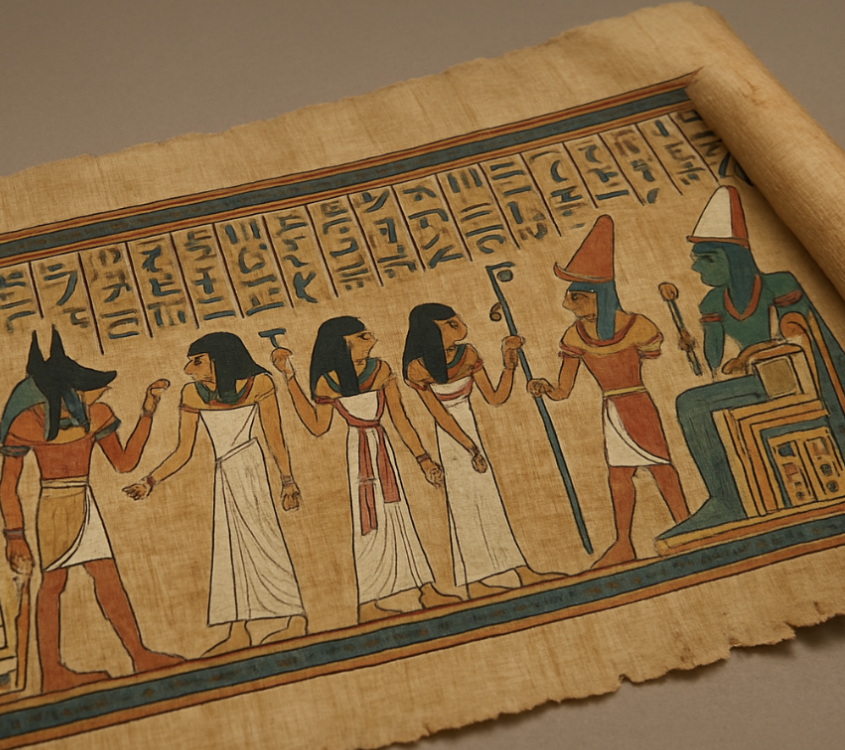
The ancient Egyptian Book of the Dead which the public sees as a frightening text actually functioned as a complete guide to survival according to its actual purpose. The Papyrus of Ani represents more than a single dark magic book because experts who study the artifacts found on this papyrus explain that it contains personal magical spells and prayers together with spiritual shortcuts. Wealthy citizens would commission these vibrant papyrus scrolls as an eternal insurance policy, ensuring they had the exact answers needed to appease terrifying gatekeepers and trick demonic creatures.
The people in this dangerous territory needed to face monsters which they had to defeat in order to reach permanent peace. The Field of Reeds exists as an incredible paradise which contains all the best elements of their Nile River existence, which they enjoyed during their lifetime at Nile River, without experiencing any diseases or death. The afterlife required them to take a difficult final moral test which established that the scroll inside their burial tomb represented their most valuable property.
From Kings to Commoners: How the Afterlife Became Accessible to Everyone
The Old Kingdom period restricted access to eternal life because only pharaohs could access their ultimate survival guide which they had inscribed in their tombs known today as the Pyramid Texts. The royal exclusive right to eternal life started to dissolve after the central government of the empire began to disintegrate. Wealthy nobles and regional governors started painting similar spells directly onto ancient Egyptian sarcophagi. The Coffin Texts originated from this transformation, which enabled more people than just the divine king to access celestial realms.
Historians refer to this major societal transformation as the "democratization of death." Underworld access no longer required royal ancestry because people only needed to possess sufficient wealth for hiring an expert scribe. The New Kingdom funerary literature developed through this process, which transferred essential protective spells from their original wooden coffin form to flexible papyrus scrolls. The social structure of Egyptian society experienced permanent changes through this development.
-
Pyramid Texts: Royal exclusives carved in stone to help early pharaohs ascend to the stars.
-
Coffin Texts: Elite adaptations painted on wooden boxes to help nobles navigate the underworld.
-
Book of the Dead: Papyrus "cheat sheets" available to anyone who could afford to buy one.
The major distinction between Pyramid Texts and Coffin Texts extends beyond their writing surfaces because it determines who is permitted to achieve eternal life. The afterlife became accessible to all people through public distribution of magical defenses which created a costly but democratic afterlife experience. Egyptians could access their personal scrolls which enabled them to use spells as sacred keys that opened the gates of the Duat.
Hack the Afterlife: Using Spells as Divine Passwords for the Gates of Duat
The person stands before the underworld demon, which brings him terror, because he possesses only one weapon, which he memorized through his learned words. The Ancient Egyptians used Heka as their magical system because they believed it to be a practical technology, which allowed them to control all aspects of existence. The soul who writes Egyptian spells for afterlife existence possesses a weapon, which he brings into the shadowy realm. The written words functioned as cosmic entities, which provided tools to users for bending reality according to their needs.
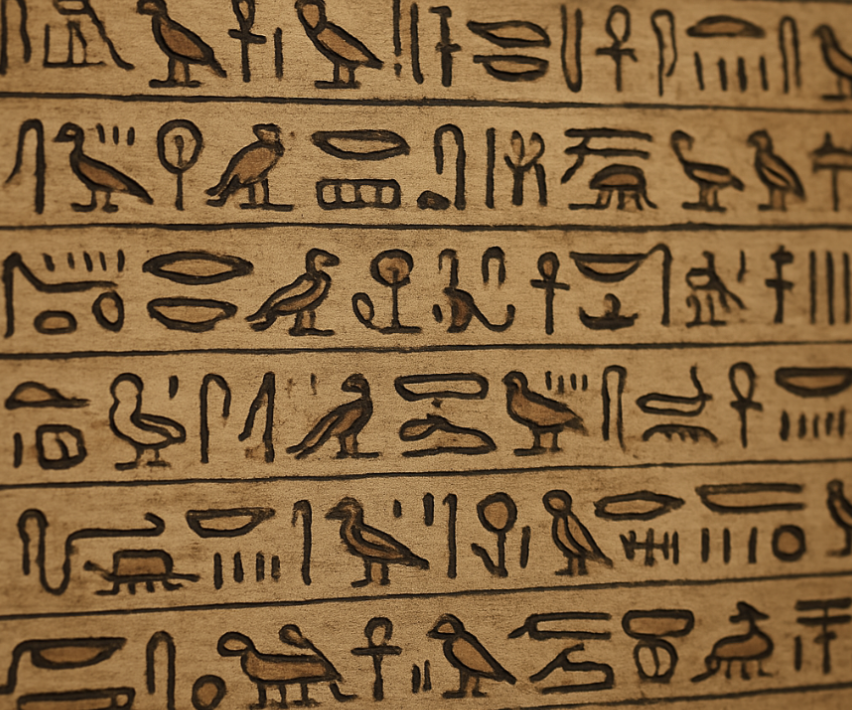
The Duat (the underworld) journey remained impossible because of secure gates, which existed throughout the underworld and were controlled by powerful deities. The supernatural bouncers could not be fought with swords, but the hieroglyphic incantations for eternal life worked as divine passwords to pass through. The Egyptian belief system taught that when people learned a god or demon's "secret name," they could traverse between different realms because the creature lost its strength. The Book of the Dead provided an extensive cheat sheet of these names, which ensured that you would never be caught speechless at a locked cosmic door.
The underworld atmosphere became dangerous when people used passwords to protect themselves from dangerous situations. The deceased required transformational spells because they needed protection from spiritual threats. The specific verses allowed a soul to transform into three different forms, which included a fasting swallow and a golden lotus flower and a divine crocodile. The magical transformations created a better way to escape when diplomatic efforts had already failed.
The prepared soul would use his correct words and transformation power to navigate through all deadly traps that exist in the afterlife. The quality of personalized survival manuals showed extreme variation because it depended entirely on the purchasing power of the buyer.
The Deluxe Edition: Lessons from the World’s Most Famous Funerary Scroll
The book of the dead egypt marketplace operated as a successful business despite its religious significance. Workshop artisans created mass-produced papyrus rolls which contained blank spaces that buyers could use to enter their names like a magical mad-lib. People who lacked the financial means to buy papyrus used ancient magic spells which they discovered on sarcophagi and burial linens to shield their souls from harm. Wealthy New Kingdom elites chose personalized masterpieces instead of budget options.
The British Museum today displays the Papyrus of Ani which represents the highest achievement of ancient craftsmanship. The document from 3,200 years ago exists as the ultimate deluxe edition of afterlife insurance for a scribe named Ani. The artwork displays beautiful vignettes which artists painted using lapis lazuli blue and gold. The illustrations which scholars use to show how the Papyrus of Ani affected funerary practices and artistic expression create a new visual standard for representing the underworld.
All of this breathtaking artistry, however, served a deeply practical purpose for the perilous journey ahead. Ani believed that no amount of gold leaf or personalized poetry could persuade the gods to grant him favor during his final examination. The deluxe scroll served as his preparation tool for the most dangerous crucial period in his spiritual life when he needed to navigate both the Hall of Truth and the Maat feather test.
The Final Exam: Surviving the Hall of Truth and the Feather of Maat
You have received training which uses data that exists until the month of October in the year 2023. The entrance to the Hall of Two Truths leads people to their final spiritual assessment. The true weighing of the heart ceremony meaning is rooted in Maat—the ancient concept of cosmic balance, harmony, and truth. The terrifying courtroom could not be accessed through magical passwords which could bypassing its deadliest traps because it needed solid evidence that someone lived a virtuous existence.
The deceased had to use the ancient Egyptian negative confession list to prove their worth before 42 divine judges. Egyptians displayed their honesty by stating the exact sins they had not committed instead of showing off their most impressive charitable acts. You must present your entire self today as if you take this cosmic examination.
-
I have not stolen.
-
I have not told lies.
-
I have not caused anyone to weep.
-
I have not been angry without cause.
-
I have not eavesdropped.
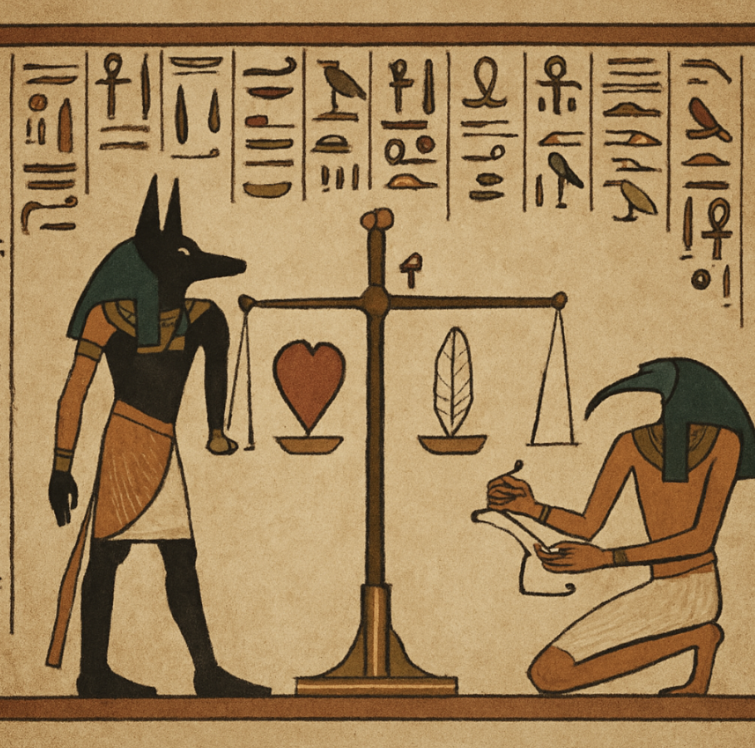
The physical trial followed the previous events. The gods used a golden scale to weigh the person's heart which people believed contained all their memories and actions against Maat's feather which represented justice. The scale showed perfect balance when the heart stayed pure and light. The scale moved when a heart contained excessive guilt, which caused Ammit the demon to become aware of the situation. The Devourer waited under the scales with his crocodile head and lion body and hippopotamus back to consume the unworthy heart which would make the soul disappear from existence.
The expensive papyrus scrolls existed to help people survive their dangerous situations. The soul reached its final purification when the scribe god Thoth recorded a passing grade. The moment required divine assistance because even a pure heart needed Anubis's guidance and Osiris's promise to achieve safe arrival.
Protectors and Predators: Anubis’s Guidance and Osiris’s Promise
The journey to survive terrifying scales required multiple companions for each person who attempted it. The jackal-headed god Anubis functioned as the ultimate guide who led people through all underworld challenges. Anubis performed his duties as the judge's assistant after he functioned as a supernatural GPS which helped lost souls to navigate through the dark traps of the realm. His frightening appearance brought people protection because his strength made them feel secure. Anubis operated in the Hall of Truth to physically guide deceased people from their handholding position to the golden scales while creating an environment which allowed for accurate weight measurement.
The afterlife's highest authority received a soul who successfully completed this cosmic audit. The resurrection myth uses Osiris to show ordinary Egyptians how to find genuine hope. Osiris became the first being to die and return to life which enabled him to demonstrate that people can completely conquer death. He existed as both a king who ruled from a remote throne and the original design for everlasting life. People believed that successful underworld passage would transform them into an Osiris which allowed them to share his endless divine power.
The victorious soul received a highly sought after title through this divine transformation which resulted in the title of Maa Kheru who could also be called "True of Voice" or "Justified." This status functioned as a VIP pass which verified that the person had succeeded in passing the moral examination he would enter paradise. A spirit needed more than arriving at the Field of Reeds because he would need to interact with the natural world. The physical mummy needed a third magical element to initiate his new eternal life after the last tomb protection had been completed.
Awakening the Senses: The 'Opening of the Mouth' Ritual That Powered the Soul
The final judgment execution only achieved partial success because the spirit required a material connection. Egyptian mythology describes the soul as consisting of two components the Ka which represents life force and the Ba which represents personality. The spirit resided in the heavenly Field of Reeds while the Ba had to return to the mummified body every night to rest. The soul would disappear entirely if someone destroyed this physical shell or took it away from the magical scroll that lay next to it.
The priests prevented this disaster by conducting important rituals before they sealed the tomb for good. The Opening of the Mouth ritual served one main function which allowed the mummy to experience physical sensations through magical means. The priests used sacred instruments to touch the sarcophagus face as part of their ritual process which enabled the deceased to see and breathe and eat the food offerings from their families in eternal life.
The dead people reached full awakening when they were able to use their personal Egyptian afterlife spells. The mummy scroll became an active insurance policy which maintained their access to paradise. The practice of preserving physical bodies through magical rituals demonstrates a belief that extends beyond basic survival. The practice connects to their everlasting heritage which shows how people for all time desire both justice and life.
The Eternal Legacy: What These Spells Reveal About the Human Desire for Justice and Life
The Book of the Dead in ancient Egypt serves as a human survival manual which extends beyond its appearance as a Hollywood horror movie prop. The work functions as an advanced solution to death which provides comfort to people who fear everything that lies beyond their understanding.
The dangerous path through the underworld led to the quiet Field of Reeds which required more than battling monsters through enchanted passwords. The mission required someone to demonstrate their existence through the maintenance of universal harmony. The manual which existed in Egyptian mythology served as a personal guide that expressed an eternal beautiful hope which maintained that the universe must reward truthful deeds and just actions above all selfish behavior.
The people who made the golden artifacts become visible when observers examine their work beyond its outward appearance. You should consider your dedication to achieving life balance while deciding which "negative confessions" would be most difficult for you to present before the 42 Judges at this moment.




-webp.webp "Hilton")
-webp.webp "dusit")
-webp.webp "Marriott Hotels")
-webp.webp "Azimut Hotel")
-webp.webp "Golden Tulip")
-webp.webp "sheraton")
-webp.webp "westin hotel")
-webp.webp "Movenpick")