
 English
 Italy
Italy
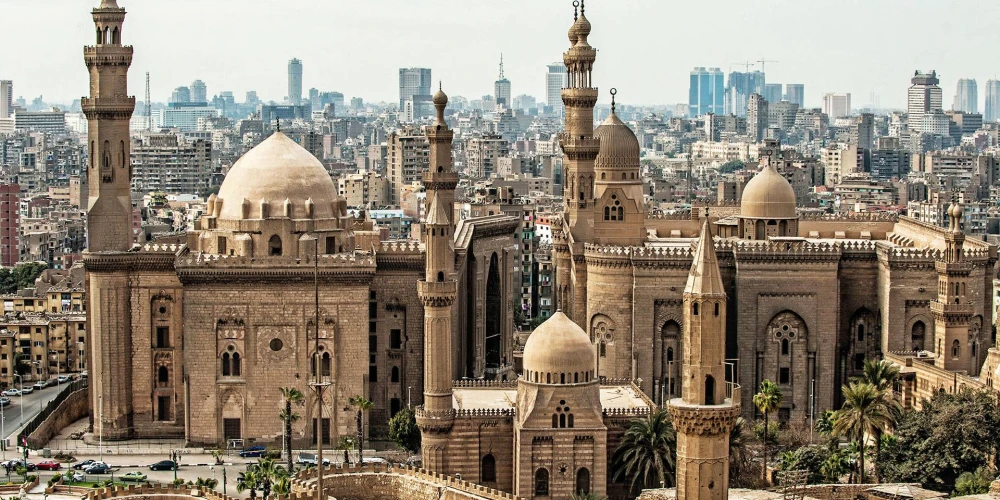
Beyond the Pharaohs: Why Islamic Cairo is the True Soul of the City
The Living Historic Heart: Islamic Cairo Travel Guide for First-Time Visitors
When you bring up Cairo to most folks , their minds just sort of grab ancient pharaohs right away. They imagine the huge stone blocks of Giza , the calm stepped outline of Saqqara, or the bright valuables said to be tucked away inside desert tombs. It’s an amazing piece of history, but honestly it’s a story that shut its doors thousands of years ago.
If you want to catch the living , breathing character of the present day city , you really need to wander into Islamic Cairo.
This lively historic quarter isn’t some museum vibe where relics sit quietly behind clean, sterile glass panels . Instead it’s more like a wide , buzzing neighborhood where people still reside, work, pray , and barter within buildings raised during the medieval peak years of the Fatimid, Ayyubid, Mamluk , and Ottoman empires.
Going in on those skinny, winding lanes feels like you’ve slipped through a time window. The sharp smell of fresh cumin and roasting coffee beans hangs in the air, then it blends with the steady clink of metalsmiths tapping brass platters , the visual pull of towering stone minarets slicing up toward the blue, and that deep, rolling call to prayer echoing off old fortifications.
For someone visiting for the first time, this historic maze can feel almost lovingly overwhelming. This full guide is here to help you take it slower, move through the thick streets with less stress, and uncover the must see wonders of Old Cairo.
1. Setting the Compass: What Exactly is Islamic Cairo?
Despite the name, going through Islamic Cairo isn’t only, like, a religious excursion; it feels more like a trip inside a huge , secular medieval city.
Originally, in 969 CE, the Fatimid dynasty founded this place, and they built it as this big walled royal city known as Al-Qahira (“The Victorious”). Then, over the next ten centuries, one wave of empires after another arrived—each time bringing their own architectural flavors , and their own cultural trademarks.
Nowadays, the district stretches across a very wide, densely packed zone. It runs roughly from the eastern hills near the Citadel down toward the ancient gates of the old fortified walls. In terms of scale, it’s the largest, and also the most structurally continuous medieval city center that still remains more or less intact anywhere around the world.
2. The Golden Itinerary: Top Masterpieces to Explore
Trying to see all of Islamic Cairo in a single afternoon is kind of a recipe for real exhaustion, you know. For your first visit , you might just want to spend your energy on a few world-class landmarks instead of trying to rush everything at once:
The Citadel of Saladin and the Alabaster Mosque
Perched up high on a limestone cliff overlooking the whole city, The Citadel was built by the legendary sultan Saladin in 1176 CE to protect Cairo from Crusader invasions. It also served as the fortified seat of Egypt’s government for over 700 years, basically long enough that you feel the weight of it.
Inside the fortress walls, the spectacular Mosque of Muhammad Ali (The Alabaster Mosque) sits there like a statement. Built in the mid-19th century in the classic Ottoman style, it features those soaring pencil-thin minarets and a massive central dome. Then step out onto the Citadel’s western terrace on a clear afternoon, because the panoramic view gives you this breathtaking sweep across the endless rooftops of Cairo all the way, to the distant pyramids of Giza.
Al-Muizz Street: The Spine of the City
This one-kilometer pedestrian cobblestone avenue holds the highest concentration of medieval architecture in the Islamic world. Walking down Al-Muizz Street lets you notice the brilliant evolution of stone engineering, slowly, like the city is explaining itself.
Your visual anchor here is the magnificent Qalawun Complex (built in 1285). It beautifully stitched together a mosque, a grand school, and a medieval hospital. The walls are adorned with incredibly complex stucco carvings, marble mosaics, and calligraphy inlaid with mother-of-pearl that catches the soft sunlight, even when the sky is not doing much.
Khan el-Khalili: The Historic Bazaar
Dating back to 1382, this vast marketplace feels like a full on sensory explosion. At the outer edges, it caters mostly to tourists with souvenirs, but if you slip into the tighter inner lanes, you start to see the real old-world bazaar. There, it’s easy to catch local craftsmen spinning glass baubles , sewing vibrant tapestries, and mixing particular perfume oils using recipes that have been handed down for generations.
3. The Sensory Escape: Shifting to a Slower Pace
When the vibrant energy of the crowded marketplaces reaches its peak, just do what Cairoens or Cairenes have done for centuries: find some quiet oasis, slow yourself down, rest a minute, and observe. Really, not rush , even if your feet are.
El-Fishawy Cafe: Tucked deep in a narrow alley inside Khan el-Khalili, this famous coffeehouse has stayed open without stopping for more than 240 years. Go on, find a small brass table. Order a hot cup of fresh mint tea, or traditional Turkish coffee , and then look around through the large dark-wood mirrors that line the walls. It feels like the ultimate people watching place , if that makes sense, you can sit there and let the world flow by.
Al-Azhar Park: Located right beside the historic district, this landscaped 74-acre green space was remade from a medieval rubble dump into something almost unreal, a true paradise. You get this calm, breezy sanctuary filled with fountains and carefully tended lawns. If you visit the park around sunset you can hear the evening call to prayer rise at the same time from thousands of minarets down below, and it lands on you in a deeply moving way. It is unforgettable, seriously.
4. Securing Your Historic Cairo Exploration
Since the historical context of Islamic Cairo is kinda dense and multilayered, exploring the neighborhoods becomes way more rewarding when you do it with a licensed local guide. They can interpret the calligraphy, share local folklore, and even find the winding alley shortcut routes safely, without you getting stuck or lost.
And when you organize those customized walking tours through Cairo , using travel agencies while you are still at home, it helps a lot to make sure your bookings go through a really secure checkout system. Look for platforms like WeTravel, or transaction pathways supported by Stripe.
These services run certified PCI-DSS Level 1 Encryption, and they securely tokenize your personal card details, so your financial info stays protected from any external handling, while you lock in your cultural itinerary.





-webp.webp "Hilton")
-webp.webp "dusit")
-webp.webp "Marriott Hotels")
-webp.webp "Azimut Hotel")
-webp.webp "Golden Tulip")
-webp.webp "sheraton")
-webp.webp "westin hotel")
-webp.webp "Movenpick")
