
 English
 Italy
Italy
Best Beaches in Egypt for Relaxation and Diving
Sharm El-Sheikh
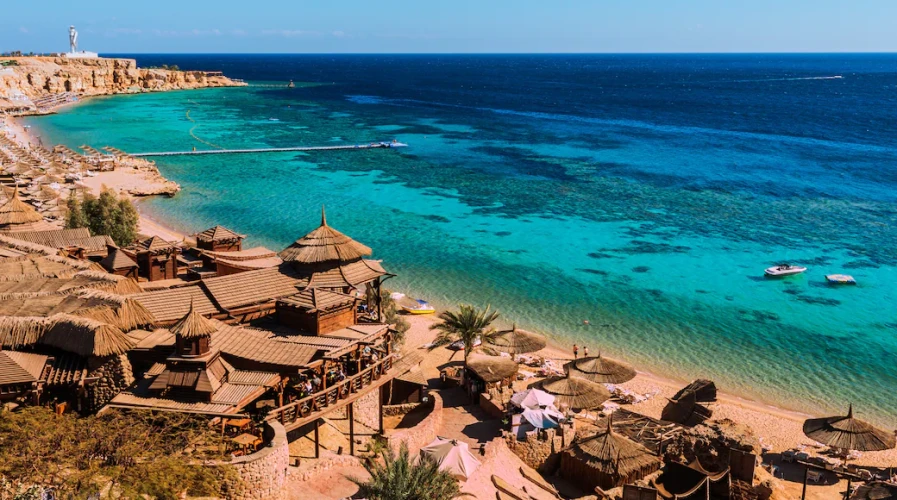
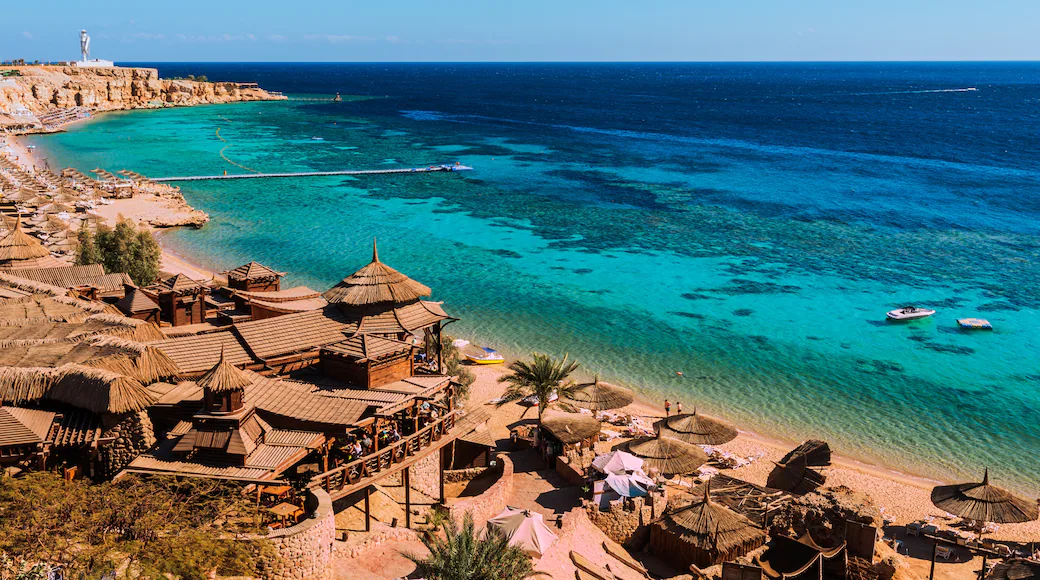
Let's start with the most well-known name on the list. Sharm El-Sheikh sits at the southern tip of the Sinai Peninsula, where the Gulf of Aqaba meets the Red Sea. It has been a diving destination since the 1970s, and for good reason. The water visibility here is extraordinary on a calm morning you can see 30 meters down without any effort. The reefs are dense and largely untouched in the protected zones.
Ras Mohammed National Park, just a short drive from the main city, is where serious divers want to be. The Shark and Jolanda reefs there are legendary. You'll find walls of soft coral dropping hundreds of meters, giant trevally moving through in lazy formation, and if the conditions are right and you're patient hammerhead sharks in the deep blue beyond the reef edge. It's the kind of diving that makes you question why you ever dove anywhere else.
For those who prefer to stay dry, Naama Bay has calm, shallow water perfect for snorkeling and families. The beach scene here is polished hotels are well run, the promenade is busy but manageable, and the sunsets over the mountains turn everything a deep burnt orange that photographers chase their whole careers.
Best season
October through April. Summer gets extremely hot but diving conditions remain excellent year-round.
Dahab
If Sharm El-Sheikh is the polished resort, Dahab is its free-spirited older sibling. About 80 kilometers north along the Gulf of Aqaba coast, Dahab has a completely different energy. It grew from a Bedouin fishing village into a backpacker and diving hub, and it's kept that relaxed, independent character even as more visitors discovered it.
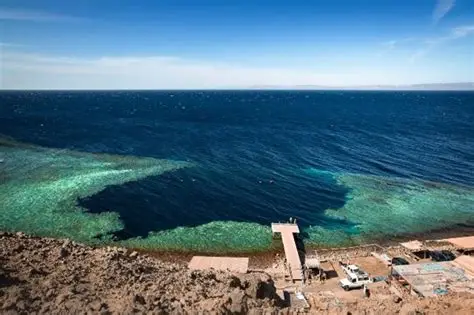
The Blue Hole is what puts Dahab on every diver's bucket list. It's a submarine sinkhole about 100 meters in diameter, dropping to around 130 meters. The shallow rim at the top is actually perfect for snorkelers and beginner divers the colors alone are worth the visit. But it's the famous Arch, a tunnel at 55 meters connecting the Blue Hole to open water, that draws technical divers from around the world. Freediving the Blue Hole is an entirely different discipline, and Dahab has some of the world's best freediving instructors and a serious competitive scene.
The Lagoon is Dahab's other gem a wide, shallow bay with consistent wind that has made it one of the premier kitesurfing destinations in the Middle East. On any afternoon the sky above the Lagoon is filled with kites, and the atmosphere on the beach is electric without being chaotic.
Spend an evening eating grilled fish at one of the waterfront restaurants, watching the lights across the Gulf flicker on the Saudi coast, and you'll understand why so many people come to Dahab for a week and stay for a month.
Hurghada
Hurghada is Egypt's busiest beach resort city, stretching along the Red Sea coast for about 40 kilometers. It's not the most intimate destination on this list, but it earns its place because of what it does well: accessibility, variety, and some genuinely world class reef diving offshore.
The beaches in the northern Sahl Hasheesh bay area are quieter and the water is exceptionally clear. The sand is white and fine, the gradient into the sea is gentle, and the swimming conditions are safe even for families with young children. Most of the major resort hotels here have private beach stretches that are well maintained.
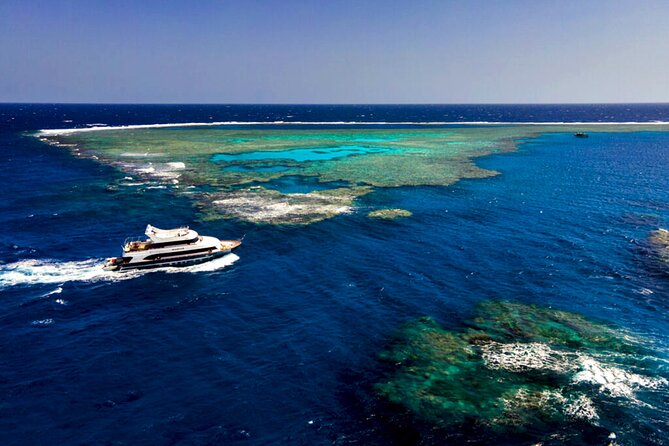
What sets Hurghada apart for divers is the reef system offshore. Giftun Island, part of a national park about 30 minutes by boat, has two beautiful dive sites Giftun Island North and Small Giftun — where the coral gardens are in remarkable condition. You'll spot schools of glassfish, moray eels tucked into crevices, Napoleon wrasse cruising at the depth limit of recreational diving, and on lucky days, dolphin pods passing through.
The city is also the departure point for live-aboard diving trips heading south into the Egyptian Red Sea the Brothers Islands and Daedalus Reef, where oceanic whitetip sharks and thresher sharks are regularly encountered. If you're serious about big animal diving in Egypt, Hurghada's live-aboard fleet gives you access to the best of it.
Marsa Alam
Drive about 200 kilometers south of Hurghada and the coastline changes character entirely. Marsa Alam is still developing, which means the reefs here haven't been loved to death the way some busier spots have. The area around Marsa Mubarak bay is famous for something you won't find just anywhere: wild dugongs. These large, gentle sea mammals feed on the sea grass beds in the shallow bay, and encounters with them here are common enough that visiting them has become a bucket-list item for naturalist divers.
The reefs at Elphinstone an isolated reef about an hour offshore are considered by many experienced divers to be the most spectacular in Egypt. A narrow plateau drops on all sides into open ocean, the current runs strong, and the pelagic life is astounding. Oceanic whitetips, dolphins, and in season, hammerheads. The soft coral on the north plateau is untouched and vivid in a way that stops you mid-dive.
For non-divers, the beaches around Marsa Alam feel genuinely remote. No wall-to-wall hotels, no crowded promenades. Just sand, mountains, and stars bright enough at night to make you forget there are cities anywhere on earth.
Ain Sokhna
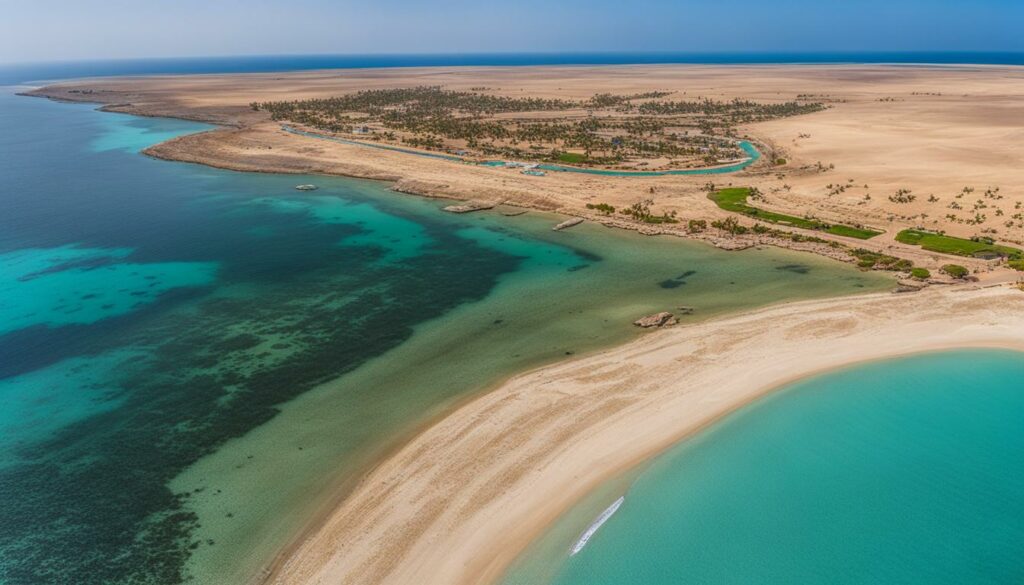
Not everyone is flying into Egypt for a week-long diving trip. Ain Sokhna is the beach that Egyptians actually use a two-hour drive from Cairo on the Gulf of Suez, it's the weekend escape for Cairo families and city dwellers who need salt water and sky. It doesn't have the coral biodiversity of the southern Red Sea, but it has a warmth and authenticity that some of the more touristy coasts lack.
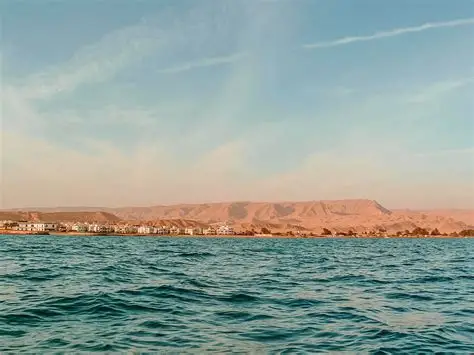
The beaches here are pleasant and clean, the water is calm and warm, and the hills behind the coast give the landscape a dramatic quality. Several good resorts have opened in the last decade, but the soul of Ain Sokhna remains local. On a Friday afternoon, the beach is full of Egyptian families, the smell of grilled corn drifts down from the road, and the whole place feels like a real place, not a performance of a beach resort.
Before You Pack Your Fins A Few Honest Tips
- Bring your own reef-safe sunscreen. Most local shops sell brands that contain chemicals harmful to coral.
- Respect the marine park rules no touching or standing on coral, ever. It's not just etiquette; it's genuinely important.
- The best diving is typically early morning, before afternoon winds pick up and visibility shifts.
- Hire certified, locally-based dive operators when possible. They know the reefs best and the money stays in the community.
- For Dahab and Marsa Alam, book accommodation well in advance during European school holidays — availability disappears fast.
- Always check weather and current conditions before diving at exposed sites like Elphinstone and the Brothers Islands.





-webp.webp "Hilton")
-webp.webp "dusit")
-webp.webp "Marriott Hotels")
-webp.webp "Azimut Hotel")
-webp.webp "Golden Tulip")
-webp.webp "sheraton")
-webp.webp "westin hotel")
-webp.webp "Movenpick")
