
 English
 Italy
Italy
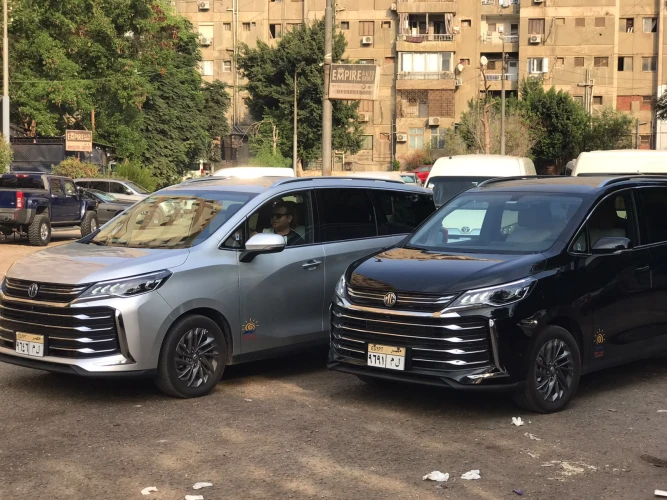
Airport Transfers in Egypt: A Complete Guide for International Travelers
Arriving in Egypt is an exciting experience! As you alight the plane, you are greeted to the warm desert winds, bustling energy of North Africa and the promise of age old wonders that await further inland. From the legendary Pyramids of Giza in Cairo to the sun washed beaches of Hurghada and Sharm El-Sheikh, or the open-air museum that is Luxor, Egypt is a destination unlike any other. However, the ground transportation options on arrival at a foreign destination can be daunting even for the most seasoned of international travelers. Egypt's major airports are busy transport hubs, where language barriers, persistent drivers and an array of transport options, can be overwhelming on initial arrival. A sound airport transfer strategy is therefore vital to ensure you arrive safely and with minimal fuss from the arrivals gate to the hotel lobby. This guide provides international travelers a complete overview of airport transfer options, plus valuable tips on everything a foreign visitor needs to know about airport transfer in Egypt's key gateway cities. 1. Major International Airports in Egypt To plan your ground transfer options, it is important to understand the major international gateways into Egypt through which most international visitors arrive: Cairo International Airport (CAI): Egypt's busiest and largest airport, located approximately 15 to 20 kilometers northeast of central Cairo, and features three main terminals (Terminal 1, Terminal 2, and Terminal 3) connected with an automated people mover system. Navigating Cairo's notorious traffic is a key consideration while departing CAI. Sphinx International Airport (SPX): Located on the western perimeter of Cairo near Giza, SPX is becoming an increasingly popular option for international passengers who are staying in the vicinity of the Giza Pyramids or the new Grand Egyptian Museum (GEM). Hurghada International Airport (HRG) & Sharm El-Sheikh International Airport (SSH): The Red Sea Riviera has its own set of coastal airports which primarily cater to leisure flights and resort charter groups. Luxor International Airport (LXR) & Aswan International Airport (ASW): The key regional entry points in Upper Egypt for Nile River cruise passengers and cultural heritage explorers. 2. Types of Airport Transfers Available Travelers arriving at airports in Egypt have several ground transport options at their disposal, each with distinct advantages and disadvantages. A. Pre-Booked Private Airport Transfers A pre-booked private transfer from a reputable tour operator, private driver service, or your hotel is considered the safest, most comfortable, and stress free option for international visitors. How it works: A private driver meets you inside the arrivals hall with a sign board showing your name, where they assist with your luggage and escort you to a private air-conditioned vehicle. Advantages: Competitive fixed pricing (no need to negotiate fares), air-conditioned vehicle, and personalized service after a long international flight. Best for: Families, solo travelers, first timers, late night arrivals, and heavy luggage. B. Ride-Hailing Apps (Uber and InDrive) Ride-hailing services operate in major Egyptian cities like Cairo and Alexandria. How it works: With your smartphone logged into your account (and active internet connection via local SIM or international roaming), a ride is requested via the Uber or InDrive app. Advantages: Transparent, and competitive fixed pricing (calculated automatically), and digital tracking of your ride. Considerations: Ride-hailing pick-up points at major airports like Cairo CAI can occasionally be complex to navigate, requiring communication with the driver in Arabic or English. C. Official Airport Taxis (White Taxis and Black-and-White Taxis) Street taxis are available outside arrival terminals in Egypt. In Cairo: White taxis are digital metered taxis, where drivers may have the tendency to avoid using the meter for long airport transfers, and instead expect a flat fee to be negotiated. Older black and white taxis are generally not air conditioned and do not have meters. In Red Sea and Upper Egypt Destinations: Local taxis in Hurghada, Sharm El-Sheikh and Luxor do not meter for airport transfers, and require firm negotiation before entering the vehicle. Considerations: Negotiating fares with jet lag and luggage can be a trying experience. Always agree to a fixed price (and currency) before stowing your bags in the trunk. D. Hotel Shuttle Services Many luxury hotels and resorts (particularly in Hurghada, Sharm El-Sheikh and along the banks of the Nile in Luxor) offer complimentary or paid shuttle transfers for guests. Considerations: Always confirm with your hotel at least 24 to 48 hours in advance of your estimated arrival time, including the flight number and arrival details. 3. Step by Step Overview: What to Expect Upon Arrival To ensure you have a seamless arrival process, keep this step by step guide in mind: StepPhaseRecommended Action1Passport Control & VisaPurchase your Entry Visa (on arrival) at the official bank counters before passport control (or present your pre-approved e-Visa).2Luggage RetrievalCollect your bags from the baggage carousel and inspect them before exiting the customs zone.3Connectivity & CashWithdraw local Egyptian Pounds (EGP) from an airport ATM. Buy a local tourist SIM card at official telecom booths in arrivals.4Driver MeetingExit the airport gates to meet your pre-booked driver with a name board, or open your ride-hailing app.5Transit to HotelRelax in your private air-conditioned vehicle as you are driven directly to your accommodation. 4. Practical Travel Advice and Safety Guidelines Here are some important practical considerations advised by seasoned travelers navigating Egyptian airports: Get Local Currency at the Airport: While many private transfer services are paid online or in advance, a small amount of local currency (Egyptian Pounds - EGP) is useful for tips (baksheesh) to luggage porters, or to buy a small bottled drink. ATMs are widely available in arrival terminals. Secure Local Mobile Data: Free airport Wi-Fi can be unreliable and require a local phone number for access. Buying a local SIM card (Vodafone, Orange, or Etisalat) will give you cellular data access for maps and ride-hailing apps. Handle Unsolicited Offers Firmly: Outside arrival halls, independent drivers may approach you with taxi offers. POLITELY decline by giving the thumbs down and walking to your designated pick up point or pre-booked driver. Never follow an unbadged driver to an unverified vehicle. Factor in Traffic Delays: Greater Cairo is infamous for its traffic congestion (particularly during morning and evening peak hours). A transfer from Cairo International Airport to Downtown Cairo or Giza can take anywhere from 45 minutes to over 90 minutes depending on the time of day. Always plan your return airport transfer with generous buffer time. Tipping Culture (Baksheesh): Tipping is a customary part of daily life in Egypt. Your driver should be tipped between 50 to 100 EGP for a comfortable, safe transfer and luggage assistance.





-webp.webp "Hilton")
-webp.webp "dusit")
-webp.webp "Marriott Hotels")
-webp.webp "Azimut Hotel")
-webp.webp "Golden Tulip")
-webp.webp "sheraton")
-webp.webp "westin hotel")
-webp.webp "Movenpick")