
 English
 Italy
Italy
Affordable Luxury: Turning Budget Savings into VIP Experiences on the Nile
The Value Equation: Why Is Egypt So Cheap to Visit for International Travelers?
For anyone trying to plan a big international holiday, comparing destinations can feel like you’re doing this endless set of major financial trade offs. Usually, if you want world-class historical monuments, beautiful seaside retreats, plus really immersive local culture, you end up having to brace for a serious hit to your savings.
But when you start reading about travel costs in Egypt, you may run into a kind of weird anomaly: the prices are incredibly, almost unbelievably, low. Not “cheap in a sketchy way” low, more like “how is this real” low.
Whether you’re checking out five-star hotels facing the Nile, private guided days through ancient temples, premium restaurants, or even just domestic transport, your money tends to stretch more than you’d expect. Honestly, Egypt often lands among the most budget-friendly, high value places on earth for travelers who have steady foreign currency, like US Dollars, Euros, or British Pounds.
So what’s going on here? Is it only about a friendly exchange rate, or are there deeper economic mechanics, local conditions, and structural reasons behind it? Let’s do an honest, practical look at the economic factors that make Egypt so affordable, how the local pricing works in real life, and how you can use that value to shape a polished, high-touch, not too stressful dream trip.
1. The Exchange Rate Factor: A Masterclass in Currency Dynamics
The most immediate n powerful driver behind Egypt’s affordability is, well the currency exchange rate. Over the last several years , the Central Bank of Egypt has gone through major economic reforms which included moving toward a flexible exchange rate setup and floating the Egyptian Pound (EGP).
Now, this macro change comes with daily headaches for locals trying to deal with domestic inflation, but for outsiders it also created a kind of unusual purchasing power advantage.
The Math in Your Favor: When you convert stronger foreign currencies like USD, EUR , or GBP into EGP, your relative buying power tends to increase a lot.
Locked-in Luxury: Costs that would normally feel premium in Western Europe or North America—like high-end restaurant dinners, private airport transfers, and luxury stays—are basically priced inside the local economy. Since the EGP has been weakening against major international currencies, those same services turn into something surprisingly affordable once you translate the totals back into your home currency.
2. Low Cost of Living and Local Labor Economics
Beyond the back and forth exchange rate, the starting cost of everyday living in Egypt is really… fundamentally lower than what you see in many Western places. That initial economic level then sort of colors the price of nearly every service and product you end up dealing with while you’re there.
Local Production and Agriculture
Egypt has a massive home grown agricultural system, mainly stretched along the Nile Delta’s fertile lands. Because the country keeps producing a large volume of its own fresh fruits, vegetables, grains, and meats, the raw cost of food stays noticeably low. So when you eat at a local restaurant in Cairo or Luxor, you’re basically riding on a shorter supply chain, one that doesn’t lean heavily on costly international imports.
Affordable Services and Hospitality
Hospitality, in Egypt, is a big employer and local labor expenses are very competitive. That situation helps a lot with services that need real dedicated human effort—like getting a private licensed Egyptologist guide for the day, booking a personal driver with an air-conditioned vehicle, or arranging that 24/7 concierge-style support. In practice, you can switch from a self guided, kinda stressful public transport day to a fully chauffeured, privately narrated tour, for a smaller price than a comparable VIP package would usually ask for anywhere else.
3. High Competition in the Tourism Sector
Tourism is, like one of the main supports for the Egyptian economy, it also becomes a key channel for foreign currency. In Egypt, because the country has this huge tourism setup—thousands of hotels, hundreds of Nile cruise boats, and endless local tour agencies—the market is basically very competitive, all the time.
To bring in international travelers, hotels, cruise companies, and tour operators have to keep their prices sharp and really appealing, not just “reasonable”.
Nile Cruises: There are dozens of vessels running between Luxor and Aswan every week, so cruise lines are always proposing competitive deals that pack in lodging, three meals a day, and guided sightseeing tours all together.
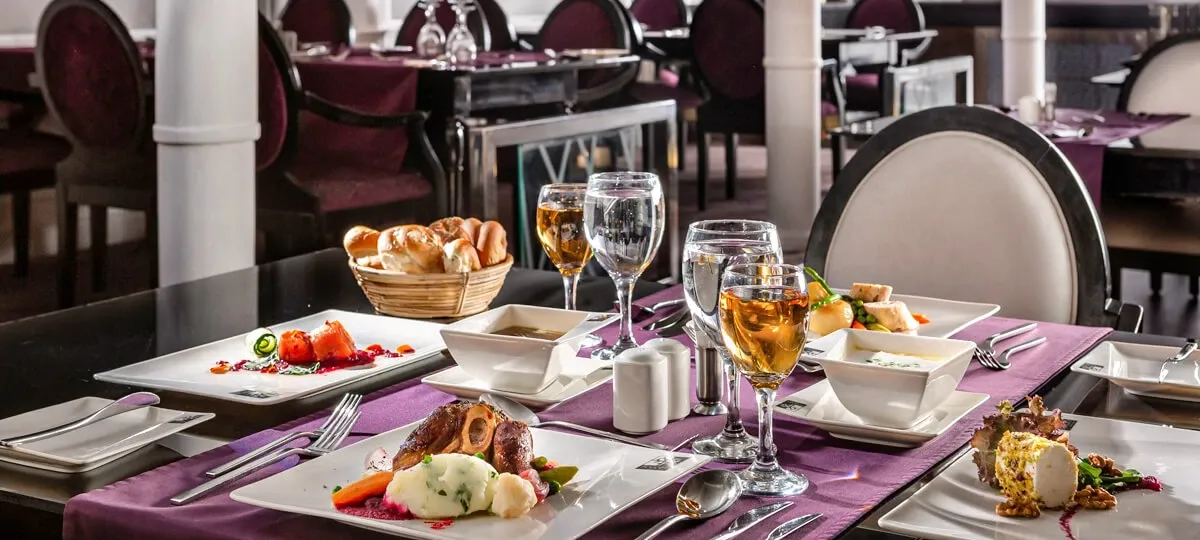
Five-Star Accommodations: Since there are so many global hotel brands clustered in city areas like Cairo , and also in seaside destinations such as Hurghada, those premium luxury rooms get priced in a way that helps them fill the available capacity, meaning you can get a high level of comfort, without paying the full luxury markup every time.
4. Government Subsidies and Infrastructure
The Egyptian government, honestly really prioritizes tourism as part of a national economic plan. So, as a result massive public investments are always sent into improving the country’s transport and safety infrastructure, and yeah, that includes a lot of upgrades.
If you travel inside Egypt, domestic trips are usually very affordable, mainly because fuel is strongly subsidized and public transport is widely available. So whether you go for that scenic sleeper train from Cairo all the way down to Aswan, or take a quick inner-flight with EgyptAir, or even arrange a private road transfer, the overall cost for covering hundreds of miles through the desert stays surprisingly low.
Also, the government keeps working to set entry tickets for famous archaeological locations—like the Giza Pyramids, the Valley of the Kings, and the Grand Egyptian Museum (GEM)—at rates that are both reasonable and standardized for international visitors. This helps make sure these global treasures remain accessible, for real.

How to Leverage Egypt’s Affordability for a VIP Experience
The real charm of Egypts affordability isnt only about saving cash, it’s more like you slowly change the entire feel of the journey. Not just, “spend less,” but actually redefine the quality of your travel experience, somehow.
Rather than pushing a tight budget all the way to the edge just to get by on the bare minimum, Egypt’s favorable value equation lets you transform the whole trip into something calmer, luxurious, and genuinely insightful.
You can do it this way:
Hire a Private Guide and Driver: Going without public transport and trying to manage Cairo’s traffic on your own can be tiring, even a little draining. Since private services are so easy to arrange, you can confidently book a dedicated, air conditioned car with a professional driver, plus a private university educated Egyptologist who handles the story of the temples while you move at your own rhythm.
Upgrade Your Nile Cruise: Forget the big packed commercial cruise ship, and go for something more serene. It’s surprisingly doable to step up to a private Dahabiya, that traditional twin masted sailing yacht with just a handful of cabins. The result is a close up, quiet river experience that feels almost personal, not commercial.
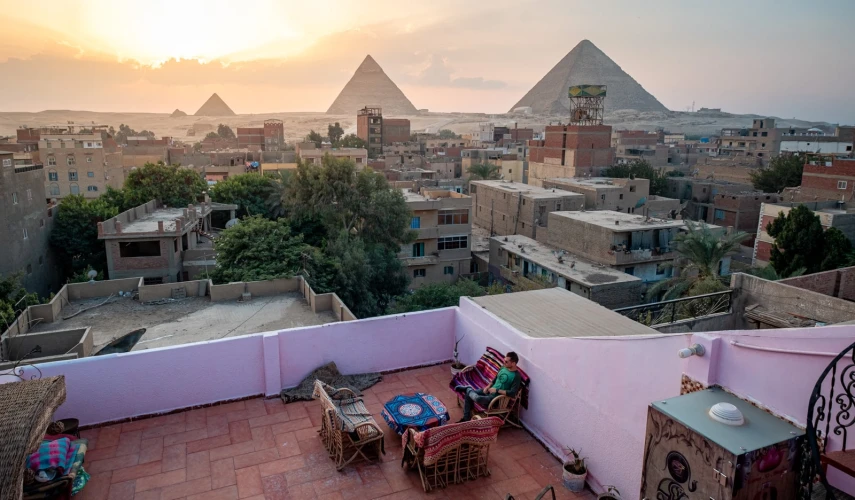
Stay at Historic Properties: Give yourself real moments instead of quick “just okay” lodging. Sleep in places with history, like the Marriott Mena House with views of the pyramids, or the Sofitel Legend Old Cataract in Aswan, where you get world class luxury for a slice of the usual global resort price.
Essential Financial Tips for the Savvy Traveler
To make sure your money lands exactly where it should , while keeping your transaction logistics kind of flawless, remember these modern financial rules of the road :
Pay for Tour Packages Securely : When you book your hotels, internal flights, or those custom private tours ahead of time, stick with operators that use secure, bank-grade online booking portals like WeTravel or platforms supported by Stripe. These systems use certified PCI-DSS Level 1 Encryption to tokenize card details, so your payment information stays 100% secure and private, plus you can manage flexible interest-free payment installments without headaches .
Navigate the Cashless Transition : Egypt has now moved most of its bigger historic monuments and archaeological sites to 100% cashless ticket windows. So you can’t buy entry tickets to the Pyramids or major temples with cash. Bring a dependable international credit or debit card (Visa and Mastercard are broadly accepted) to swipe at the gates, or grab your tickets beforehand using the official government online portal.
Keep Cash for Cultural Tipping : Even if most transactions are fully digital, physical currency is still a key part of the local economy. Tipping , also known as Baksheesh, is a normal and deeply rooted custom in Egypt. Make it a point to have a pocket stash of small Egyptian Pound (EGP) banknotes to tip hotel porters , drivers, temple guards, and cruise staff who do extra things so your trip feels special.





-webp.webp "Hilton")
-webp.webp "dusit")
-webp.webp "Marriott Hotels")
-webp.webp "Azimut Hotel")
-webp.webp "Golden Tulip")
-webp.webp "sheraton")
-webp.webp "westin hotel")
-webp.webp "Movenpick")
