
 English
 Italy
Italy
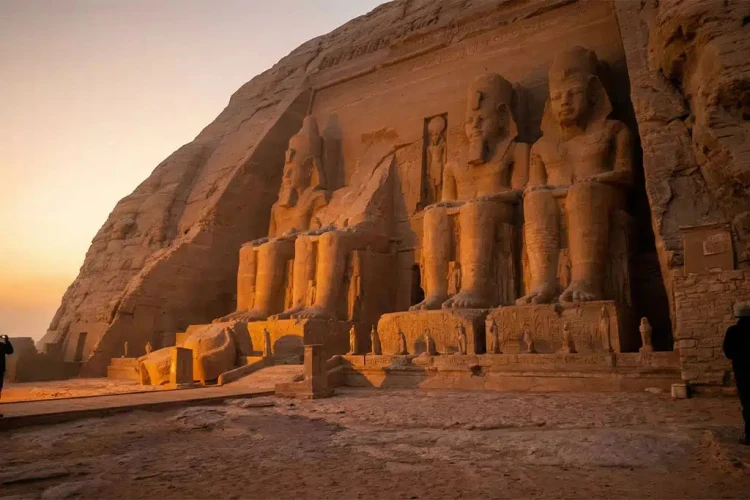
A Couple’s Guide to Exploring the Temples of Luxor
Luxor is often called the world’s largest open-air museum, but for a couple, it’s really a city of dramatic contrasts—the "Land of the Living" on the East Bank and the "Land of the Dead" on the West. In the 2026/2027 season, the experience has become more seamless with the fully restored Avenue of Sphinxes, allowing you to walk the same sacred path as the Pharaohs.
To help you navigate these ancient wonders without the crowds, here is your humanized guide to exploring Luxor’s temples together.
1. The East Bank: Grandeur and Golden Hours
The East Bank is where the sun rises and where the great temples of state were built.
-
Karnak Temple (The Morning Giant): * The Strategy: Arrive at 6:00 AM. Karnak is a 200-acre "forest of stone." By arriving at sunrise, you’ll have the Great Hypostyle Hall—with its 134 towering columns—almost entirely to yourselves.
-
The Romantic Spot: Head to the Sacred Lake. While everyone else is taking selfies at the main pylon, the reflection of the temple in the still water at dawn is breathtakingly quiet.
-
-
Luxor Temple (The Evening Glow):
-
The Strategy: Visit at 5:30 PM. Unlike other temples, Luxor Temple stays open late and is most beautiful at dusk.
-
The Experience: Watch as the modern city’s call to prayer echoes over the ancient stones while the temple lights begin to glow. It’s a unique juxtaposition of 3,000 years of living history.
-
-
The Avenue of Sphinxes: This 2.7km path now fully connects Karnak and Luxor temples. Instead of taking a taxi between them, take a slow 30-minute sunset stroll along the sphinx-lined road. It’s the ultimate "time-travel" walk for 2026.
2. The West Bank: Art and Afterlife
Cross the Nile to the West Bank, where the sun sets and the Pharaohs were laid to rest.
-
The Valley of the Kings:
-
The Strategy: Less is more. Don't try to see 10 tombs; you’ll get "tomb fatigue." Pick three vibrant ones (the standard ticket includes three).
-
The "Splurge": Buy the extra ticket for the Tomb of Seti I. It is significantly more expensive, but in 2026, it remains the gold standard of ancient art. Sharing the silence of that perfectly preserved blue ceiling is a memory you won’t forget.
-
-
The Temple of Hatshepsut:
-
The Strategy: This temple is carved directly into the limestone cliffs. It’s incredibly photogenic but gets hot quickly. Visit as your second stop of the morning (around 9:30 AM) before the midday glare makes the white stone blinding.
-
3. A Couple’s "Pro-Tips" for 2026
-
The "Luxury Buffer" Guide: In 2026, booking a private Egyptologist is the best way to avoid the "herd" feeling of group tours. They can act as your personal photographer and will know exactly which corners of the temples are empty at any given hour.
-
The "Sound and Light" Alternative: The Karnak Sound and Light Show is a classic, but for a 2026 twist, check the schedule for the late-night shows. They are often less crowded and feel much more atmospheric under the desert stars.
-
The "Secret" Break: If you’re feeling temple-weary, stop at the Luxor Museum on the corniche. It’s air-conditioned, beautifully curated, and stays open until 10:00 PM. It’s a sophisticated, quiet place to cool off before dinner.
Quick Comparison: Which Temple When?
| Temple | Best Time | Atmosphere | Estimated Visit |
| Karnak | 6:00 AM | Epic, powerful, vast. | 3 Hours |
| Luxor Temple | 5:30 PM | Romantic, lit-up, urban. | 1.5 Hours |
| Hatshepsut | 8:30 AM | Modern, architectural. | 1.5 Hours |
| Valley of Kings | 7:30 AM | Intimate, colorful, quiet. | 2.5 Hours |
The Human Side: Exploring Luxor isn't just about the dates and the dynasties; it’s about the scale of it all. Standing together at the base of a column that was carved 3,000 years ago has a way of making your own story feel like part of something much bigger.







-webp.webp "Hilton")
-webp.webp "dusit")
-webp.webp "Marriott Hotels")
-webp.webp "Azimut Hotel")
-webp.webp "Golden Tulip")
-webp.webp "sheraton")
-webp.webp "westin hotel")
-webp.webp "Movenpick")