
 EN
 IT
 ES
 FR
 ZH
卡纳克隐藏处的发现
卡纳克隐藏处的发现
通过乔治·勒格兰的卡纳克藏品发现深入探索埃及迷人的历史——揭示跨越古代时期的皇家雕像和多样的文物,丰富我们的理解。
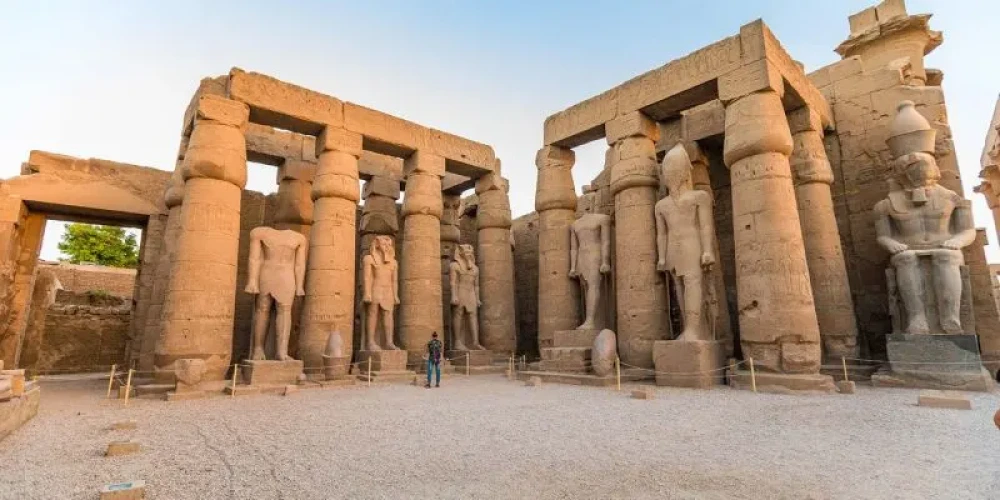
卡纳克藏品是埃及历史上最伟大的考古发现之一,位于今天被称为卢克索的底比斯黄金城市。这片属于天神王室的土地拥有其最精美的文物和纪念碑,展示了古王国(公元前2700至2200年)、中王国(公元前1782至2040年)、新王国时期(公元前1550至1070年)以及托勒密时期的所有非凡宝藏。20世纪上半叶,这一由法国埃及学家发现的重要考古发现,带来了关于古埃及文明如何在其历史中发展和进步的诸多重大见解。
乔治·勒格兰:谁发现了这个藏匿处
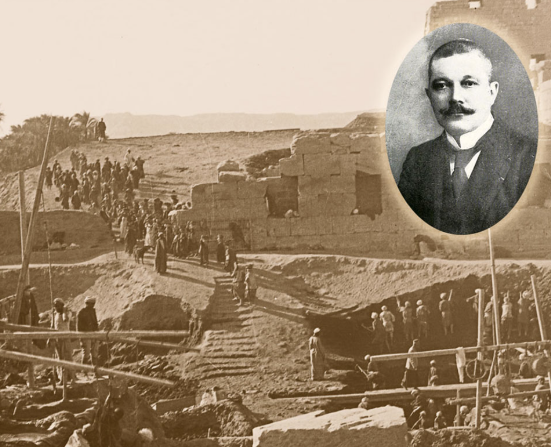
George Legrain developed an interest in Egyptology after he studied at the École des Beaux-Arts in Paris from 1883 until 1890 and then at the Sorbonne with Gaston Maspero and other Egyptologists until 1892 when he traveled to Egypt. The same year he joined the French Institute of Oriental Archaeology as an archaeological draftsman and illustrator to work with J. De Morgan on excavations. The Service of Antiquities hired him as Inspector-Artist because of his exceptional abilities but he later became director of works at Karnak in 1895. He discovered multiple concealed temples and a wide range of artifacts while conducting his research at Karnak. He dedicated his efforts toward restoring the great Hypostyle hall in Karnak by implementing cutting-edge techniques to restore the massive stones. The outbreak of World War I in 1915 forced him to stop all work at Karnak because he continued to work there until that time. He worked as inspector of Upper Egypt, where he managed projects that protected Luxor temple from flood damage. He died on August 22, 1917 after experiencing a sudden illness while he was in charge of implementing flood protection systems. His legacy continues through the extensive restoration work and archaeological discoveries that were achieved at Karnak during his time there.
卡尔纳克秘密藏物的发掘
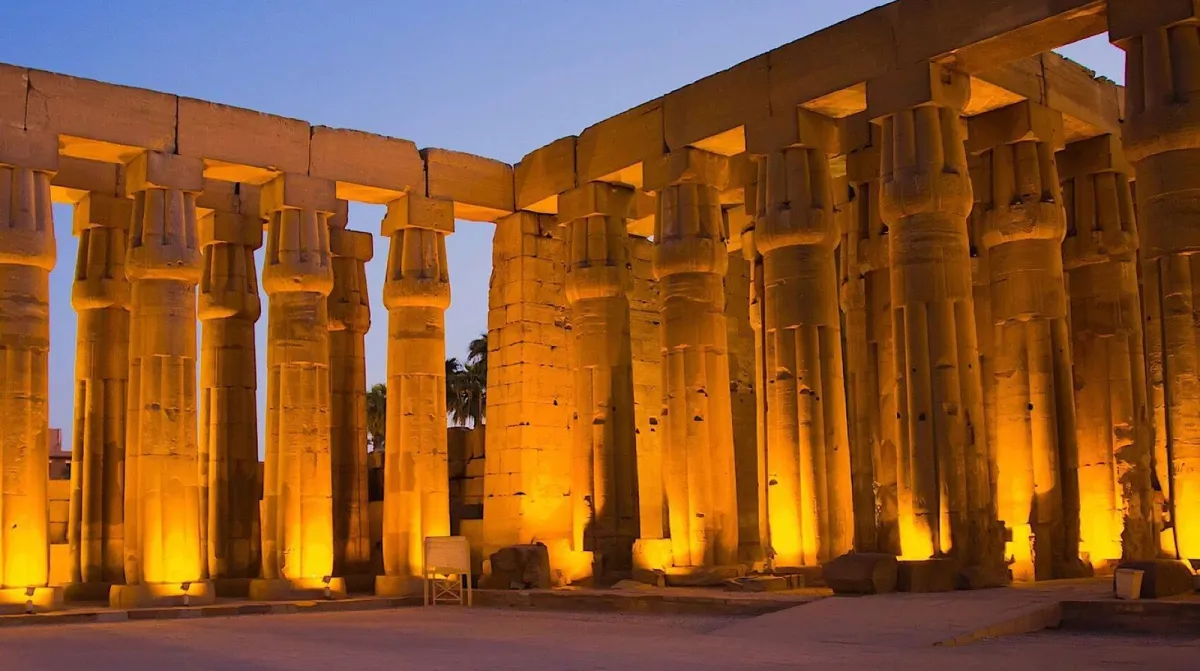
In 1903, French Egyptologist Georges Legrain discovered a major archaeological site which he found during his excavation work in the north-west area of the Amun temple courtyard located in front of the seventh Pylon at Karnak temple which contains architectural elements from ancient Egyptian times including the Middle Kingdom and New Kingdom and Ptolemaic period. The archaeologist continued to excavate the site for four years because he wanted to find the hidden cache which contained more than seven hundred stone statues and 17000 bronze items that most museums display in the Egyptian Museum and other global museums which mostly showcase statues from the New Kingdom of Egypt until the Ptolemaic era. The discovery included an Egyptian Old Kingdom statue base which contained the lower section of the 5th Dynasty King Niuserre statue as well as royal statues of Senusret I, Senusret III, and Amenemhet III from the Middle Kingdom. The Cachette displays a crucial source which shows how Karnak priests conducted their different ceremonial activities while this discovery reveals details about various artistic trends that existed during multiple time periods. The list contains every detail about the objects made by Legrain, but it vanished after his death. The identification of the different artifacts found at the cachette remained impossible until 2006 when the Supreme Council of Antiquities of Egypt and Institut Français d'Archéologie Orientale established a joint project which created a database that contained every detail about the Karnak cachette. The 2012 web database allowed online access to 8000 excavation photographs which Legrain himself took during the dig.
卡纳克雕像藏匿处
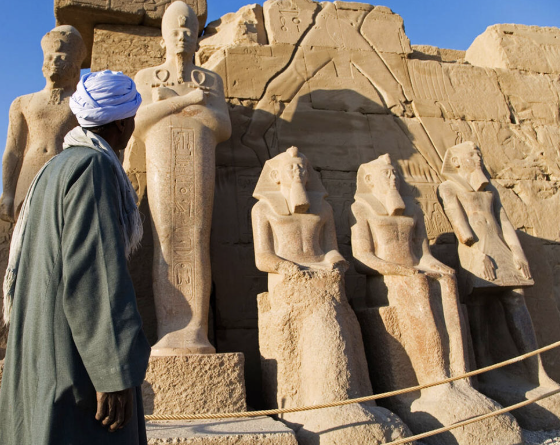
该遗址包含的雕像存在于皇家雕塑之外,因为它们属于卡纳克新王国到托勒密时期的祭司。祭司藏品提供了关于当地宗教习俗发展过程中宗教演变的宝贵信息。该系统使科学家能够追踪底比斯家族跨越多代的血脉。该藏品是艺术史的重要财富,因为它展示了各种雕塑风格以及多种小型文物,包括斯特拉碑、镶嵌牌、护身符和祭祀肘尺,这些都是勒格兰在挖掘工作中发现的。
卡纳克藏品增强了我们对埃及文明的理解,因为它展示了他们的全球影响力。2004年在格勒诺布尔和开罗举办的纪念该藏品百年的展览展示了勒格兰发现的25件新的埃及杰作。卡纳克藏品中最著名的雕像包括以下发现。
卡尔纳克密藏文物,成为了埃及及世界范围内的卡尔纳克大使
开罗的埃及博物馆从卡纳克隐匿处获得了大部分文物,这些文物是考古学家在卡纳克神庙遗址发现的。那个时期埃及各省博物馆的建立导致了一些文物从卢克索、阿斯旺、亚历山大以及其他埃及城市的流动。研究成果将其影响扩展到国际范围,因为它们作为古埃及文明的文化大使发挥作用。两位男子向重要来访者赠送礼物,后来又将其出售,而一些物品则流入未经当局许可经营的艺术经销商手中。卡纳克隐匿处现在拥有的文物被全球众多博物馆展示给参观者。巴尔的摩的沃尔特艺术馆、纽约的大都会艺术博物馆和布鲁克林博物馆、柏林的埃及博物馆以及伦敦的大英博物馆都向观众展示了重要的收藏品。