
 English
 Italy
Italy
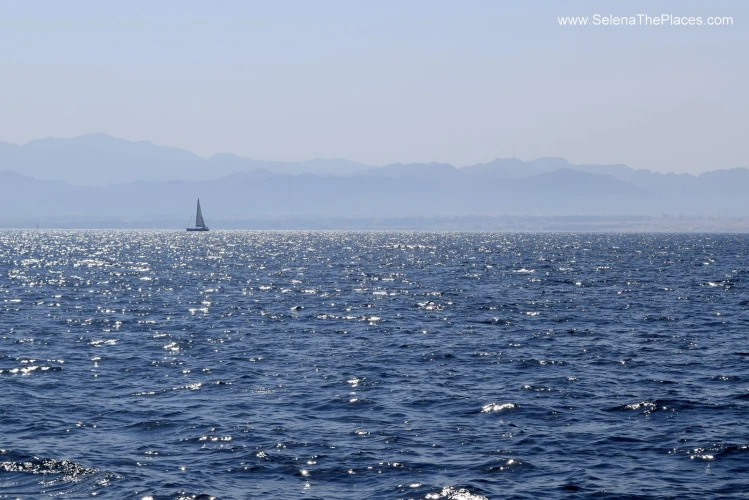
Fishing Seasons in Hurghada: When to Go and What You Can Catch
Hurghada sits on the western edge of the Red Sea, and if there's one thing the sea here does consistently, it's change. Not dramatically — you won't find the kind of seasonal swings that anglers in northern Europe or North America deal with — but the shifts are real, and they matter. The difference between showing up in the right month versus the wrong one can be the difference between a cooler full of fish and a long, quiet day on the water wondering where everything went.
Understanding the seasons here isn't complicated once you spend time on the water or talk to the people who make their living from it. What follows is a practical breakdown of what Hurghada's fishing calendar actually looks like — month by month, species by species — so you can plan a trip that delivers.
The Red Sea Climate and Why It Shapes Everything
Hurghada doesn't have four seasons the way most of the world understands them. What it has is two dominant periods — a warm season and a cooler season — with two transitional windows in between that happen to be among the best times to fish all year.
Summer runs roughly from May through September. Water temperatures climb to between 28 and 32 degrees Celsius, the sun is relentless, and the wind drops to almost nothing most days. Winter spans November through February, with water temperatures dropping to around 22 to 24 degrees, stronger northerly winds making certain exposed spots harder to reach, and noticeably cooler mornings on the boat.
March, April, October, and November are the transition months. The water is neither too warm nor too cold, baitfish are active and moving, and predatory species follow them. Experienced local fishermen in Hurghada will almost unanimously point to these months as the sweet spot.
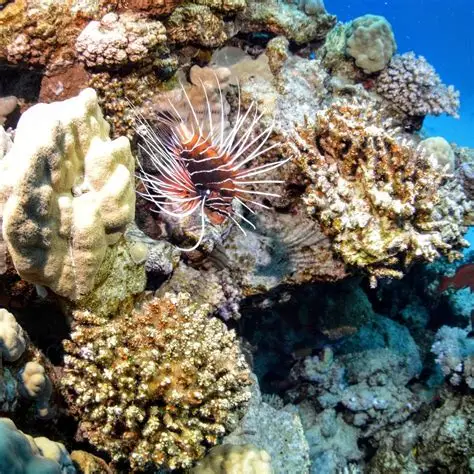
Spring — March to May: The Season Wakes Up
March is when things start moving again after the quieter winter period. Water temperatures begin climbing from their February lows, and the marine food chain responds almost immediately. Smaller reef fish become more active, baitfish schools start forming in the open water, and the larger predators that follow them begin showing up in places they hadn't been since the previous autumn.
What's Biting
April and May are exceptional months for wahoo in the waters around Giftun and El Arouq. These fast, streamlined fish chase baitfish aggressively in the warming water, and trolling at moderate speed with large artificial lures produces strikes that are genuinely hard to forget. A wahoo hit at full speed isn't something you experience passively.
Yellowfin tuna also begin appearing in April, initially in smaller numbers before building through May. Fishing the channels between the offshore reefs in the early morning during this period is productive, particularly on calm days when you can spot surface activity from a distance.
Barracuda are present year-round in Hurghada, but spring sees them becoming noticeably more aggressive. Schools of smaller barracuda are common near the reef edges, while larger solitary fish hold in deeper water and respond well to live bait presentations.
Spring is also one of the better times for mahi-mahi around El Arouq. These fish associate with floating debris and weed lines that accumulate as the wind patterns shift, and a well-placed lure near anything floating in open water during April and May has a realistic chance of producing a strike.
Summer — June to September: Heat, Depth, and Persistence
Summer fishing in Hurghada is not for everyone. The heat is real — standing on an open boat at midday in July under a cloudless Red Sea sky is a physical experience — and some species that thrive in cooler conditions pull back to deeper, cooler water during the peak months. But dismissing summer entirely would be a mistake, because certain fishing is actually at its best during this period.
What's Biting
Tuna fishing peaks in summer. Yellowfin are present in good numbers from June through August, and the key is getting on the water early. The two hours before and after sunrise consistently produce the most action during summer months, before the heat drives fish deeper and makes surface feeding less frequent.
Giant trevally — GT, to most anglers — are aggressive hunters that don't seem particularly bothered by warm water. Summer GT fishing around the reef edges at Giftun and Abu Ramada can be exceptional, particularly on morning tides. These fish require heavier tackle and a willingness to fight hard to keep them out of the coral, but the payoff is substantial.
Grouper fishing holds up well through the summer at Abu Ramada. The deeper portions of the reef stay cooler than the surface, and grouper tend to sit tight in their territories regardless of season. Patient bottom fishing with live or cut bait produces consistent results here even in August.
A Practical Note on Summer Fishing
Go early and commit to it. A 5 AM departure sounds inconvenient until you've experienced the difference between fishing at 6 AM and fishing at 11 AM in August. The early window is genuinely productive. By midday the action typically slows, and the sensible move is to be heading back toward the marina rather than still heading out.
Autumn — October to November: The Best Window of the Year
Ask most serious anglers who fish Hurghada regularly when they prefer to be on the water, and the majority will say October or November without much hesitation. The logic is straightforward — the water is still warm from summer, the brutal heat has broken, baitfish are at peak abundance before the winter cooling begins, and nearly everything worth catching is actively feeding.
What's Biting
Wahoo fishing returns to form in October with a consistency that makes it the primary target for many charter operators. The fish are well-fed from summer, running at full size, and the cooler morning temperatures make spending a full day on the water genuinely pleasant rather than an endurance test.
Amberjack — one of the harder-fighting fish in the Red Sea — become more catchable in autumn as they move shallower to follow baitfish. These fish are not subtle. When an amberjack takes live bait near the reef edge at Abu Ramada, the initial run is powerful enough to test tackle that would seem more than adequate for almost anything else.
Sailfish sightings increase in November as the species migrates through the northern Red Sea. While Hurghada is not a dedicated billfish destination, November does offer a realistic opportunity for anglers targeting these fish around El Arouq, and several have been caught and released there in recent years.
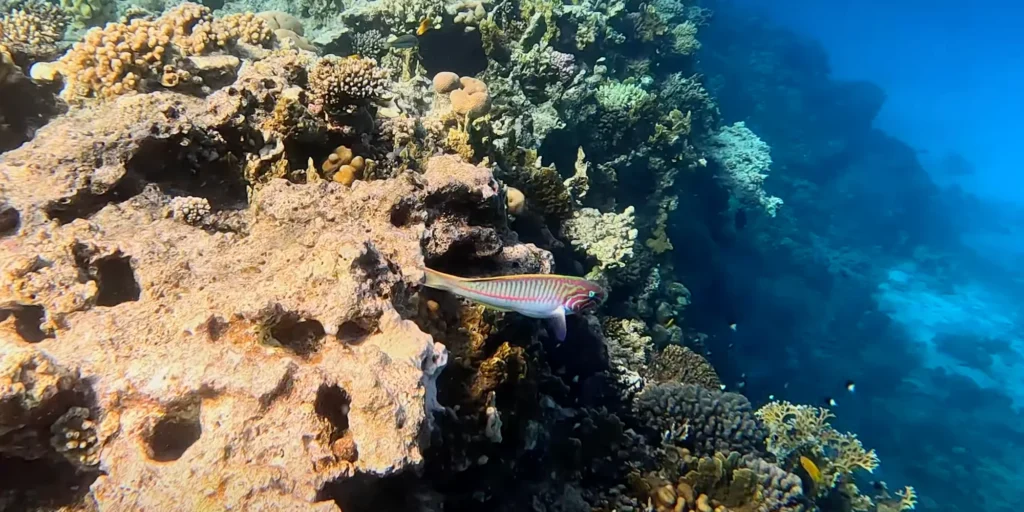
Winter — December to February: Slower but Not Empty
Winter in Hurghada is mild by most standards, but the fishing does slow down compared to the rest of the year. Water temperatures drop enough to push some pelagic species further south, and the stronger north winds that arrive in January and February make the more exposed offshore spots like El Arouq occasionally inaccessible.
What's Biting
Reef fishing holds up well through winter. Snapper, emperor fish, and various species of sea bream remain active around Abu Ramada and the inshore reefs, and bottom fishing in winter is often more productive than trying to chase open-water species that have moved on.
Barracuda continue to be reliably present through the winter months. They don't migrate the way tuna and wahoo do, and a well-presented lure or live bait near the reef edge will find them in December and January just as reliably as in summer.
Winter is also worth considering if you're primarily interested in reef fishing rather than offshore species. The crowds are thinner, charter rates are often lower, and the cooler temperatures make spending time on the water comfortable in a completely different way than the rest of the year.
Final Word: Timing Is Everything
The best fishing trip to Hurghada is the one planned around what you actually want to catch. Come in October if wahoo and amberjack are your targets. Plan for June if you want to chase tuna at first light. Show up in February for uncrowded reef fishing and lower prices. The Red Sea here is generous throughout the year — it just requires knowing what to ask of it and when.





-webp.webp "Hilton")
-webp.webp "dusit")
-webp.webp "Marriott Hotels")
-webp.webp "Azimut Hotel")
-webp.webp "Golden Tulip")
-webp.webp "sheraton")
-webp.webp "westin hotel")
-webp.webp "Movenpick")