
 English
 Italy
Italy
The Secret of the Sacred Scarab: Why People Circle It 7 Times at Karnak
Have you ever visited the massive Karnak Temple complex in Luxor and noticed a crowd of people walking in circles around a large stone pedestal? They aren’t lost; they are participating in one of Egypt’s oldest "living" traditions: The Ritual of the Sacred Scarab.
Who is the Scarab?
In Ancient Egypt, the scarab beetle (known as Kheper) was much more than a common insect. To the Pharaohs, it represented the god Khepri, the deity of the rising sun.
Just as the beetle rolls a ball of dung across the earth, the Egyptians believed a giant celestial beetle rolled the sun across the sky every morning, bringing light and life back to the world. This made the scarab the ultimate symbol of resurrection, transformation, and creation.
The "Wish-Granting" Monument
The giant granite scarab you see at Karnak today was commissioned by King Amenhotep III. While it was originally a religious monument, over the centuries, it has transformed into a focal point for local folklore and tourist curiosity.
Why Circle it 7 Times?
The tradition of "Tawaf" (circumambulation) around the scarab is a blend of ancient symbolism and modern hope. Visitors usually walk around the statue counter-clockwise—the same direction as the orbits of planets or the movement around the Kaaba.
People do this for various reasons:
-
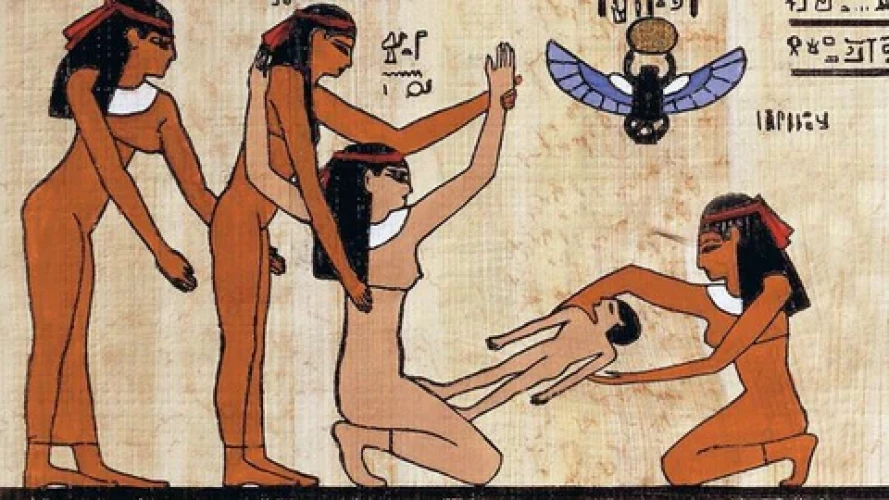
Fertility & Childbirth: Many locals believe that circling the scarab can help women who are struggling to conceive, connecting back to the beetle's theme of "bringing life into existence."
-
Marriage & Love: It is a popular spot for those looking for a partner to wish for a "good match."
-
General Good Luck: Travelers from all over the world join in, hoping that seven laps will grant them a bit of Pharonic fortune.
Is it Just a Myth?
Whether or not the stone beetle truly has "magic" powers is up for debate, but the energy around the monument is undeniable. It represents a beautiful bridge between the high philosophy of the Ancient Egyptians—who saw the beetle as a symbol of the eternal soul—and the simple, human desires for happiness and family that we all share today.
Next time you find yourself in Luxor, don't just take a photo. Take seven laps! Even if your wish doesn't come true immediately, you’ll be walking in the footsteps of thousands of years of history.





-webp.webp "Hilton")
-webp.webp "dusit")
-webp.webp "Marriott Hotels")
-webp.webp "Azimut Hotel")
-webp.webp "Golden Tulip")
-webp.webp "sheraton")
-webp.webp "westin hotel")
-webp.webp "Movenpick")
